


Gaming
Esports
The past, present and future of Rainbow Six Siege esports
Siege did not get off to an easy start in life, but thanks in part to esports, it’s recovered miraculously – and the future looks incredibly bright.
The story of Rainbow Six Siege’s launch isn't one that needs to be covered again, but it’s certainly fair to say that it wasn't smooth. A few months after launch, player numbers were low and the future looked a little bleak. Many questioned why Ubisoft was putting money behind the esports scene and assumed support would be dropped within a year.
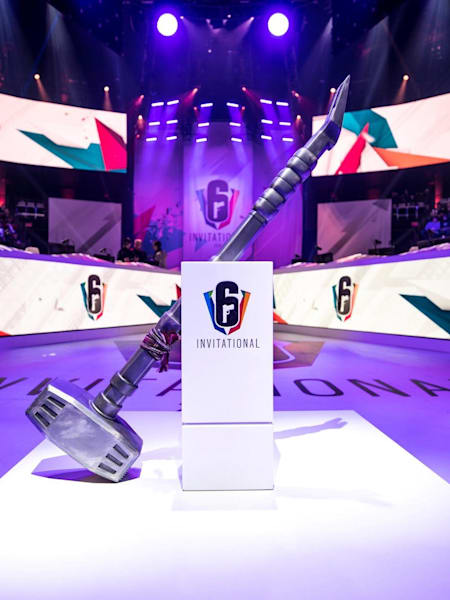
Now that idea seems ludicrous. The Six Invitational brought in millions of viewers from all over the world and was an event for the history books. Rainbow Six Siege currently has 27 million players. Developers Ubisoft have committed to at least another two years of supporting the esports scene. The dev team say they plan for the game to be around for 10 years. Everything’s looking good.
It’s probably a little generous to say that without esports, Siege may not be alive today, but that isn’t too far off the truth. The esports scene for Siege has certainly brought in new players, kept old players coming back and raised the awareness of the game across the globe. Perhaps more importantly, it also forced the dev team to improve the game.
“We had some issues at the beginning of the game, it’s true,” François-Xavier Dénièle, associate director for Siege esports tells us.
“But we said with esports, we're balancing the game, we're fixing the game. It’s not just marketing of the game. It’s ideas that will improve the game. The popularity [of esports] will change the balance not only for the pro guys, but they're pushing the production team to improve the game.”
“So for me, the esports aspect of the game was a window. It provided tools for our community to have a new conversation with the developers. And right now, for me, it’s more than that, so it’s perfect.”
Throughout the first year of Siege esports, the changes came thick and fast. Ubisoft smartly decided to announce DLC plans at seasonal LAN events, and gave pro players the chance to test the new operators and maps at these events, all before the public went hands-on. This meant they got vital feedback before the DLC event went live, allowing them to make last minute tweaks – that way, a lot of the early content drops launched in a pretty good state.
By the end of the first year, Siege was finally hitting the numbers it should have done from day one. Regular content drops and a strong esports scene bolstered the game significantly. Concerns that Ubisoft would drop esports support were quickly let go, and a further year of esports, albeit limited to PC-only at the top level, was confirmed.
“Year two of Rainbow Six esports was a year of transition between the beginning of esports and the maturity we'll have for the future,” Dénièle tells us, looking back on the past 12 months. “For me, it was a crazy year because we introduced a lot of things, which was a great achievement. Like the introduction of APAC, I'm really, really happy to see that one of the APAC teams is here in the last eight [of the Six Invitational]. We took the time to introduce APAC because we needed to find the right format of competition for them because it’s not just a territory, but a continent. So that’s why we have four different pro leagues.”
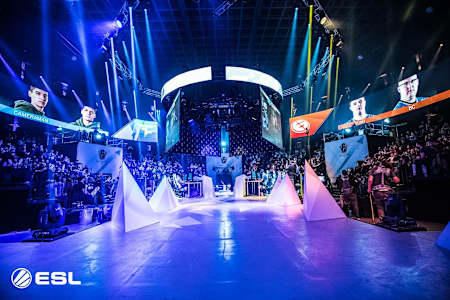
The Paris Major promises to be just as good as this
© ESL | Pawel Bastrzyk
At the start of year two, the pro scene was expanded with the launch of APAC competitions, which was a major step and made Siege a truly worldwide esport. But perhaps the bigger confirmation that Siege was finally a major esport came towards the back end of year two. Major organisations such as CLG, FaZe Clan, Team Liquid and Evil Geniuses all came in and signed top level teams. These major endemic orgs joining the scene proved that Siege had a lot of value – and they have already found success, with EG making the final of this year’s Six Invitational.
“It took a year of discussion with them,” says Dénièle while explaining how Ubisoft worked with these orgs to get them into the scene. “Now they're trusting with our game and our esports competition. We had a long discussion with them to explain where we want to go in esports, because these guys are coming into a game where they're trusting the game, particularly the format of competition and everything.”
“So we now have the six-month league, which offers more stability for the players and for the big organisations, as they have a clear vision of what we are doing for the next year.”
That next year really is looking promising for Siege. The new six month structure gives way more stability for players and organisations, letting them plan ahead of time, while the change in rules to include a pick and ban phase along with teams no longer alternating sides every round, will all keep matches fresh and exciting – and the two year commitment means no one has to worry about what the distant future holds. However, the most exciting new addition for year three of Siege esports is a new Major. This competition promises to be of a similar size to the Six Invitational, but held in Paris in August.
“So the idea was also to add more and more events,” says Dénièle. “Why? Because every time we’re doing live events, it’s more than just an esport event. It’s a celebration of the game. You can meet the production team, you can meet all the players. So for me, it’s not just about the tournament. The introduction of the Major in Paris is to find its own DNA compared to the Six Invitational. So expect more info soon about what we’ll do over there.”
If almost feels like it’s impossible for any esports fan to ignore Siege now. Two years ago, it was struggling, but now it’s firmly lodged in the top tiers of esports and only seems to be going up. Year three promises to be incredibly hype, and we already know we have year four coming as well. But the real question is, how long a life can Siege have?
“I will check with my genie,” jokes Dénièle. “No, definitely what I can say is that having already announcing two years of esports is good. It’s something we are saying to the community that we're still here at least for two more years. For me, what is important is that we’ll always listen to our community, adding more events, more local tournaments – more grass roots for me will be the right strategy to continue to have esports for a long time.”
With the support Ubisoft is giving the esports side of things, it seems unlikely that year four will be the last. But clearly, we shouldn’t be worrying about that right now. What we should be doing is getting amped for what is sure to be the best year of Siege esports yet.
