
Cycling
From Montréal to the rainbow jersey: how the UCI World Championships work
The rainbow jerseys are up for grabs in Montréal, but how do cycling’s many world championships fit together? Here’s how the UCI World Championships work, from road and track to mountain bike and BMX.
Part of this story
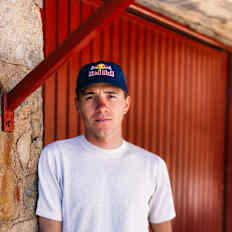



With the 2026 UCI Road World Championships under way in Montréal, Canada, the world’s best road cyclists are currently battling for world titles and the right to wear the famous rainbow jersey.
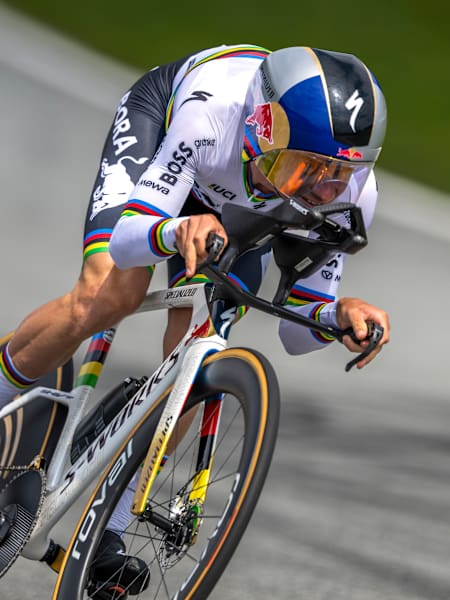
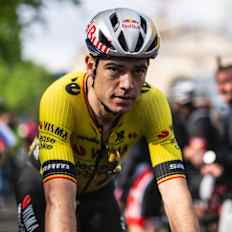
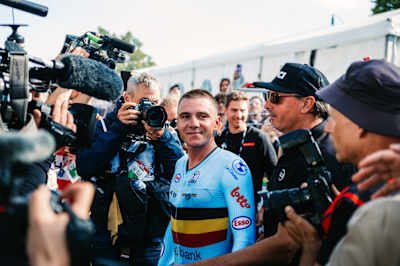
In fact, Red Bull – BORA – hansgrohe star Remco Evenepoel has already made history with a fourth consecutive elite men's individual time trial world title, while Wout van Aert and Tom Pidcock have also made the trip over the Atlantic to join the big names competing in Montréal.
But the UCI Road World Championships are just one part of a much bigger world championship structure. There are world titles in track, mountain bike, BMX, gravel, cyclo-cross and plenty more – and every four years many of them come together for one huge event. Here's how it all fits together.
Four in a row – Remco Evenepoel is back in the spotlight in Montréal
© Maximilian Fries/Red Bull Content Pool
01
What are the different UCI World Championships?
First of all, it's important to understand the difference between the annual UCI World Championships, held for individual cycling disciplines, and the UCI Cycling World Championships.
The individual championships – such as the UCI Road World Championships currently taking place in Montréal – are generally held every year. There, riders represent their countries as they battle against each other for world titles and the right to wear the famous rainbow jersey.

The UCI Cycling World Championships (also known as the "Super Mondials") is a multi-discipline event first held in 2023 that brings together multiple individual UCI World Championships as part of a single event. It is held every 4 years, the year before the Olympic Games. The first edition took place in Glasgow (Scotland) in August 2023, with 220 world titles awarded across 13 disciplines, and the next edition takes place in Haute-Savoie, France, in 2027.
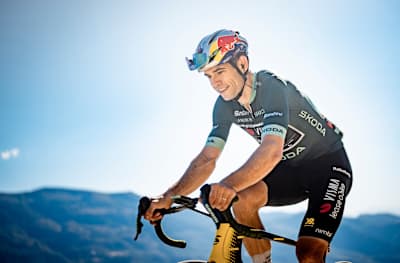
Wout van Aert is in strong form heading into Montréal
© Kristof Ramon/Red Bull Content Pool
Everything is governed by the Union Cycliste Internationale (UCI), the international cycling federation founded in 1900 and based in Aigle, Switzerland. The UCI is the only body authorised to award the title of world champion in any cycling discipline.
02
A brief history of the UCI World Championships
The first recognised world cycling championships were held in Chicago in 1893, organised by the International Cycling Association. The UCI then took over in 1900 to become the sole world federation.
The road world championships began in 1921, following a decision taken at a UCI congress. Since then, the event has gradually expanded to include new formats: the individual time trial was introduced in 1994, and the mixed relay in 2019.
In 2023, in Glasgow, the UCI took an unprecedented step by combining 13 individual world championships into a single event for the first time – the UCI Cycling World Championships – with 220 world titles awarded in a fortnight.
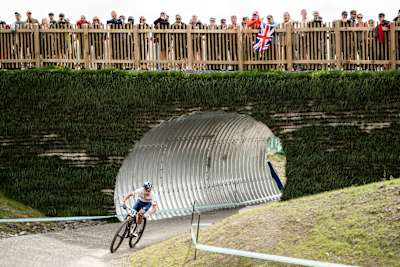
Tom Pidcock on the charge at the 2023 UCI Cycling World Championships
© Bartek Wolinski/Red Bull Content Pool
03
Which events are in the UCI Cycling World Championships?
The 2027 edition will be even bigger, bringing together 20 UCI World Championships and awarding 288 world titles.
- BMX Freestyle Flatland
- BMX Freestyle Park
- BMX Racing
- Indoor Cycling
- Track Cycling
- Road Cycling
- Gran Fondo
- Para-cycling Track
- Para-cycling Road
- Trials
- Mountain Bike Cross-country
- Mountain Bike Marathon
- Mountain Bike Downhill
- Cycling Esports
- Junior Track Cycling
- Enduro
- Gravel
- Bike Polo
- Pump track
- Indoor Cycle Speedway
04
How do the UCI Cycling World Championships work?
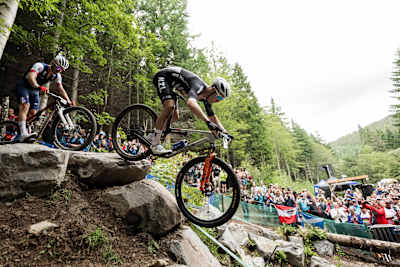
World titles are awarded across multiple cycling disciplines
© Bartek Wolinski/Red Bull Content Pool
The UCI Cycling World Championships take place every four years, in the year before the Olympic and Paralympic Games, bringing multiple cycling disciplines together in one huge event.
Open to both professionals and amateurs, these "Super Worlds" take place over two weeks at several venues. Each athlete represents his or her country - not a commercial team.
The categories of competitors vary according to the discipline, but generally include:
- Elite men and women: professional riders at the top of their discipline
- Under-23 (U23): riders under the age of 23, particularly in road racing and time trials. The U23 category was introduced in 1996 to replace the amateur category. It has its own world events, separate from the elite category.
- Juniors men and women: young talent (under 19)
- Para-cyclists: disabled athletes, with their own categories and classifications
05
UCI World Championships medals and rainbow jerseys
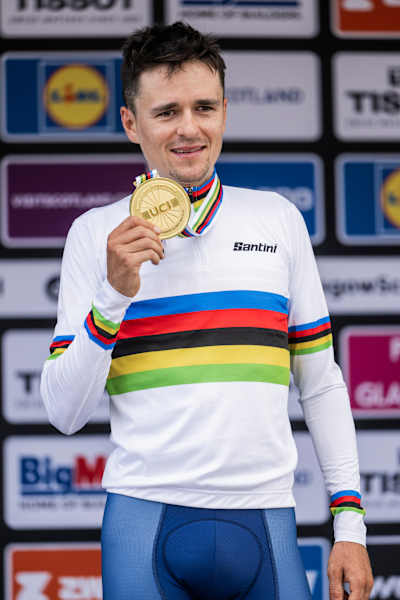
A gold medal and a rainbow jersey for Tom Pidcock in 2023
© Bartek Wolinski/Red Bull Content Pool
Medals are awarded to the top three finishers in each event, with gold for the winner, silver for second place and bronze for third.
World champions also earn the right to wear the famous rainbow jersey in the discipline, category and speciality in which they won their title. The reigning champion can wear it until the following UCI World Championships.
At the end of the event, a medal table is drawn up for each country. In 2023, Great Britain collected a total of 100 medals, 47 of them gold, to take first place.
Note: the rainbow jersey is specific to its category. A world champion in the road race does not wear it in the time trial, and vice versa. Former world champions can keep a rainbow border on the collar and sleeves of their jersey until the end of their career.


06
When and where are the 2027 UCI Cycling World Championships?
The second edition of the UCI Cycling World Championships will take place from August 24 to September 5, 2027, primarily in Haute-Savoie, France.
The event will be even bigger than Glasgow 2023, bringing together 20 UCI World Championships and awarding 288 world titles across 16 competition sites. Most events will take place in Haute-Savoie, while the track cycling competitions will be held at Saint-Quentin-en-Yvelines, near Paris.
Road racing will take place around Sallanches–Domancy in the Pays du Mont-Blanc, while the individual time trials will be held around Lake Annecy.
FAQs
Part of this story


