


Bike
MTB
8 ways to build MTB fitness this winter
Get ready for the bike season by building up your base-level fitness this winter.
The winter months are the ideal time of year to log mountain bike mileage and build a base of aerobic fitness with which to shred through the ‘endless’ summer – but sometimes it’s hard to get off the sofa… To help you push through that winter struggle, here’s our guide to maximising your gains.
1. Find the flat
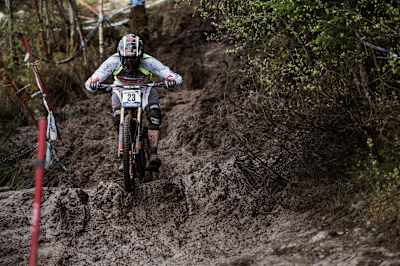
Winter MTB can be a muddy business!
© Bartek Woliński/Red Bull Content Pool
It’s hard to ride fast in the winter – slippery roots, muddy ruts and boggy quagmires all conspire to slow you down on descents, while slippery, claggy climbs force you off the bike to push uphill. So rather than seeking altitude, go looking for flatter terrain during the winter. Not only will constant pedalling keep your effort levels consistent and train your cardiovascular system to process oxygen more efficiently, but you’ll stay warmer so you can stay out for longer too.
2. Go hardtail
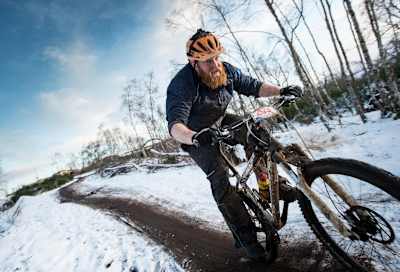
Let a hardtail bike take the winter abuse
© Andy McCandlish/Red Bull Content Pool
Most mountain bikers have a ‘pride and joy’ high-specced full suspension bike, as well as an older, cheaper hardtail that may have been their first MTB. If that’s you, dig the hardtail out of the shed. You’re more likely to actually make it out of the door in winter if you have a bike that is quick to maintain (or mildly neglected) so you can thrash around the local woods in the winter without worrying about the paint job, or having to replace expensive winter-wrecked drivetrains in the spring. Building fitness is all about consistency – miss a training session and you have taken two steps back rather than one step forward.
3. Increase your cadence
Another advantage of riding flatter terrain is that you can take the opportunity to raise your average cadence. Pedalling hard to push a bigger gear will result in more muscle power, but it will not build aerobic endurance. For this you need to pedal evenly through a smaller gear, while increasing the number of pedal revolutions per minute. Studies have shown that cyclists using a faster cadence of 80-100rpm have improved blood flow in their legs, reducing muscle fatigue – so you can ride further.
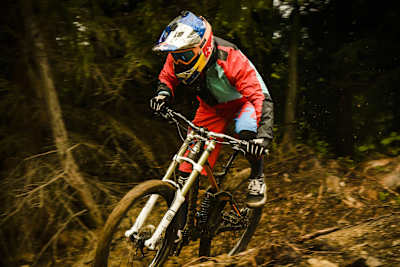
Flat terrain can help raise your average cadence
© Lukas Wagneter/Red Bull Content Pool
But first you have to adapt your neuromuscular system to be efficient at the new cadence. If you have a cadence monitor on your bike computer, like Garmins do, you can do one to two-minute intervals at 90rpm, 100rpm and 110rpm, with equal time at regular cadence in between. If not, you can do one to two-minute intervals on flat terrain but in progressively lower gears than you would normally use.
4. Winterise your gear
Your enemy in winter is the cold. Not only does cold weather make us more injury prone, due to stiff joints and cold muscles, but once you get cold it’s very hard to maintain long, steady aerobic fitness-boosting and fat-burning efforts. You’re more likely to sprint off to warm up, get knackered, then sweat, cooling you down even more, at which point you’re likely to head home early and eat cake.
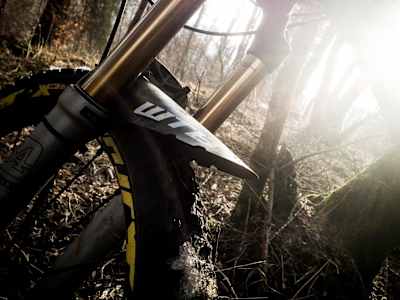
A front mudguard is a cheap but wise investment
© Dan Milner
Instead, do everything to keep the cold at bay – fit mudguards to avoid powerwashing yourself with mud, wear waterproof socks and shorts, wear a windproof jersey and carry or wear a lightweight waterproof with a hood for sudden downpours. Buy winter gloves and a cycling skull cap to go under your bike helmet, because the vents in your helmet are actually designed to cool your head down.
5. Fuel your ride
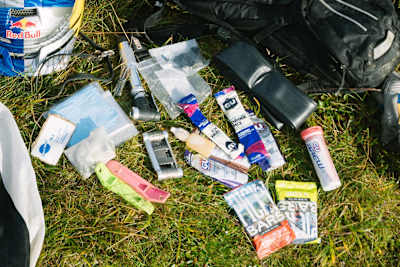
Keep up your energy levels
© Lukas Pilz
There are two, slightly counter-intuitive, nutrition rules to follow if you want to maximise the fitness gains you make on your training rides. The first rule is you should always carry fuel on long rides. Without eating as you go you will quickly burn through the glycogen stored in your muscles and liver. Fat is an expensive fuel to break down, so an exhausted body turns to the most immediately available fuel – muscle. That’s right, you’ll eat yourself and become weaker. Aim for 60g of carbohydrate per hour of riding, either as an energy drink or solid food.
6. Eat after your ride

Gee enjoys some important downtime
© Sven Martin
This is the second golden rule of winter riding nutrition. Many cyclists calorie count, even after a long ride, thinking that this will burn fat: wrong. Immediately after a ride is the one time that you can really eat your fill of nutritious food, including 20-40g of protein, because your body is primed to make the most use of those nutrients. In fact, studies have shown that if you fail to do this then you will be hungrier and actually eat more calories in total over the next 48 hours.
7. Aim for a negative split
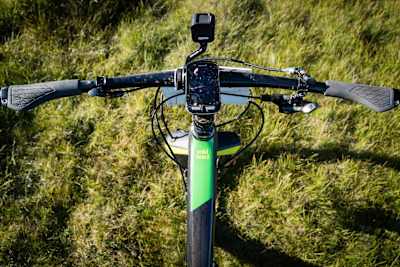
A bike computer can help you with timings
© Lukas Pilz/Red Bull Media House
To really get the best fitness gains from your rides, borrow a technique from runners and aim to ride the second half of your route faster than the first half. Starting slower and finishing faster has several benefits. First you’ll make sure your muscles are warmed up properly, then you’ll be able to build up to a steady pace, but leave something in the tank for the end. You’ll also be able to keep warm – there’s nothing worse than slogging home at the end of a long ride with empty legs and freezing hands. If you have a bike computer then it’s as easy as monitoring your current average speed, otherwise you can time yourself out and back again.
8. Work out off the bike
There are strength and conditioning exercises that every cyclist should do off the bike to maximise their performance gains and prevent injury. So why not do more of those in the winter when we’re indoors more anyway? You can start with bodyweight moves to improve joint stability before moving onto weighted exercises.
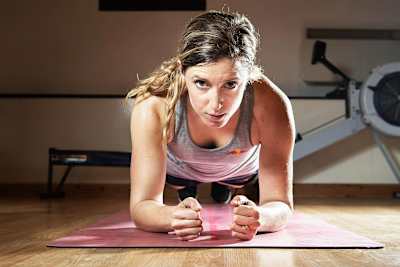
Rachel shows off a perfect plank
© Rutger Pauw
Target lower-body and core-focused exercises such as one-legged squats, deadlifts, split squats, lunges, planks, leg raises and press-ups with one leg held off the floor. Aim for a couple of workouts a week, of high reps using bodyweight with sets of 10-20 reps. As you increase the weight, reduce the reps but increase the recovery time between sets.
