Check out these 10 must-visit islands for adventurers
Whether you’re looking for a giant cliff to climb, an archipelago to kayak through or a stunning trail to run or hike along, we’ve got just the place for your next adventure.
By Will Gray
6 min readPublished on
To some, an island paradise is long white sandy beaches. To an adventurer, there’s a whole different list of requirements. We’ve steered clear of the big and obvious – adventure islands like New Zealand, Tasmania and Madagascar – and picked some of the best small islands where you can hike, climb, fly, dive or paddle.
Dominica
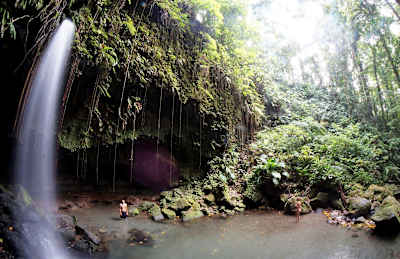
Emerald Waterfall cascades into Emerald Pool in Dominica
Get there: Fly to Antigua, St Lucia, Barbados, Guadeloupe or Puerto Rico then take a local flight
When: February to April
Of all the Caribbean islands, this is the place to go for a hike. Its trails take in volcanic sea cliffs, waterfalls, rainforest, sulphurous fumaroles, mud pools and boiling lakes, all surrounded by crystal-clear coastal water.
The 184km Waitukubuli Trail, the Caribbean’s longest, runs the length of the island. It takes two weeks to complete, but is split into 14 manageable sections. It’s not just all about hiking either – there’s also kayaking in coastal coves, rugged biking and clear snorkelling at Champagne Reef.
Get there: Fly from Jakarta or Makassar to Sorong then take a boat
When: October to April
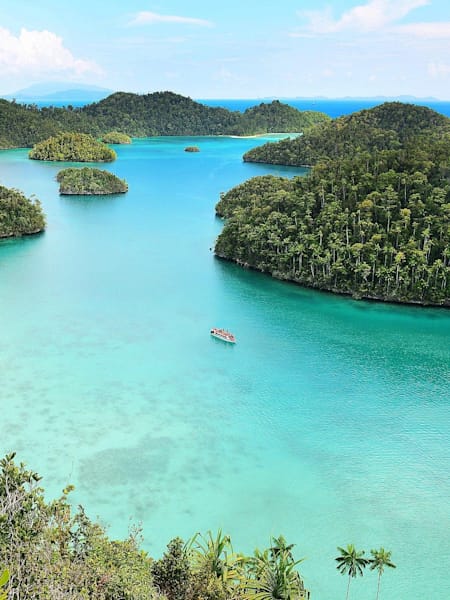
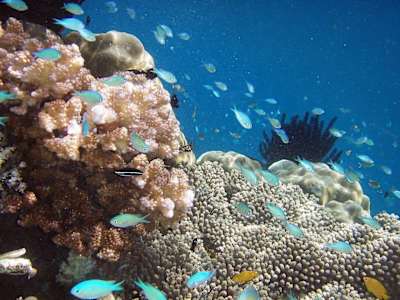
This place is a diver’s paradise. Three quarters of the world’s known coral species are found here and more than 1,000 different types of fish call it home – including rays and schools of hammerhead sharks.
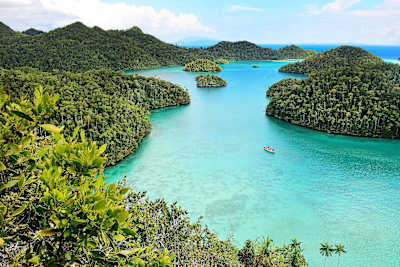
Sitting in the western Pacific’s spectacular Coral Triangle, it has 1,500 small jungle islands, cays and shoals and four main centres. Top spots are Kabui Passage, Sawandarek, Yenbuba and Friwen Wall. There’s also some impressive cave paintings and plenty of beaches to chill out on.
Get there: Fly direct to Bastia or Ajaccio or take the ferry from Marseille, Nice or Toulons in France or Livorno in Italy
When: Late June or early September
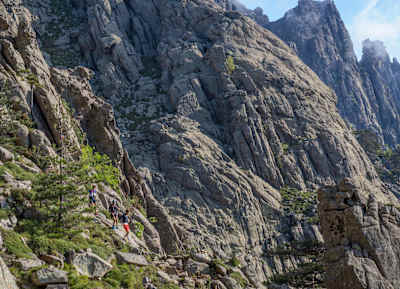
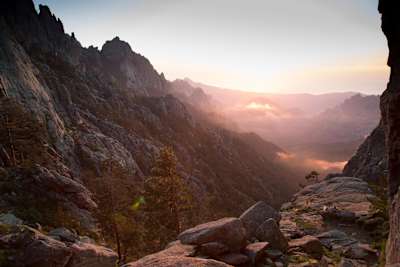
This larger island is filled with massive granite mountains and miles of truly wild trails that are often deserted. It’s home to one of Europe’s most spectacular long treks, the GR20.
This famous route, which follows the island’s spine, takes two weeks to complete and, despite crossing few roads, it can still be tackled in bite-sized chunks. One of the best sections is the Gorge du Tavignano, a return trip from Corte to the Refuge de la Sega.
Get there: Fly direct to Providenciales or Grand Turk airports
When: December to March
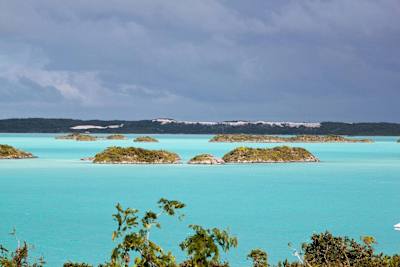
With 40 coral islands and turquoise waters, this is paddleboarding heaven. You can take a SUP through mangrove swamps and over reefs to spot tropical fish, sea turtles and even a nurse shark or two.
The average water temperature of 27ºC means you can hop in and out of the water as you please. Top spots include Grace Bay, with calm waters and white beaches, and the lagoon of Chalk Sound National Park.
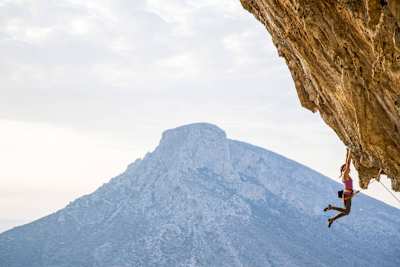
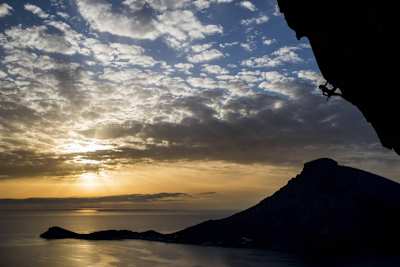
This is not just a great island for climbing, it’s one of the top spots to climb full stop. Its now-famed crags are set on dramatic limestone cliffs and since the early 2000s the region has encouraged a growing climbing culture.
Set in the Aegean Sea next to Turkey, it has more than 3,400 routes covering all grades, with slabs, technical walls and steep caves. They’re all easy to reach and many have stunning views over the Mediterranean.
Get there: Fly to San Francisco then take the ferry
When: March to October
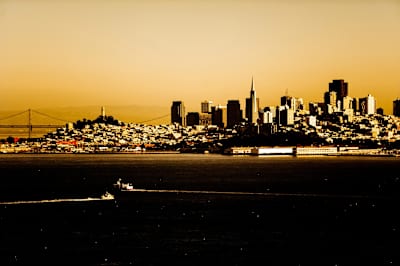
You don’t always have to go far from civilisation to find adventure – and this tree-filled island is just a ferry ride from the bustling city centre of San Francisco.
Get there: Fly direct from St Thomas or San Juan in Puerto Rico or fly to Tortola and take a ferry
When: May to July and October
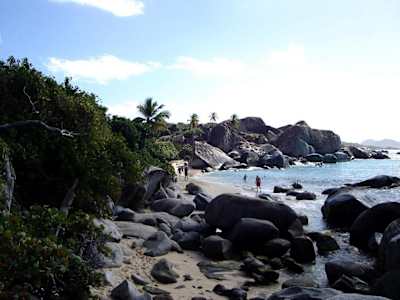
There’s no place better for a beachside boulder than this island. Its coast is lined with big egg-shaped granite rocks and there’s soft white sand to drop onto if it all goes wrong.
This is a classic tropical paradise with a chilled-out culture and there are lots of moderate bolder problems – V5 or easier – as well as some bigger challenges. The Baths is one of the most famous areas and Spring Bay is also popular, with mostly low-grade climbs.
Get there: Fly direct to Arrecife or take a long ferry from Cádiz
When: October to March
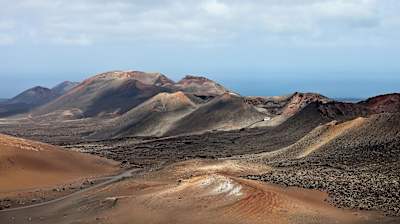
Aerial adventurers flock here because it has one of the best sea cliff runs in Europe. It also has some unique lava and volcano landscapes, making flying both adrenaline-fuelled and spectacular.
Red Bull Energy Drink is appreciated worldwide by top athletes, busy professionals, university students and travellers on long journeys.
In winter, the trade winds stop and the air becomes more consistent. There are varied mountain launch sites and plenty of wide landing spaces, but the highlight is flying along cliffs that drop 500m to the sea on a long run from the centre to the most northerly point on the island.
Get there: Fly to either Caticlan or Kalibo then take a boat
When: November to March
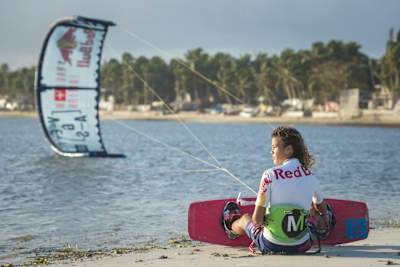
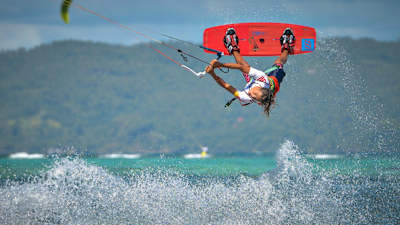
This is one place all kitesurfers have to visit. It has picture-perfect white shores, constant winds and hotels so close you can go from bed-to-board in minutes. In winter, thousands of visitors create a real party atmosphere.
Bulabog Beach is the most popular spot, its beautiful reef-protected lagoon providing calm waters fed with steady onshore winds. Beyond it, there’s also a fun reef break. At the end of the day, the windless White Beach is a great spot for a stunning sunset.
Get there: Fly to Gothenburg then take the Bohusbanan line train or drive the E6 and pick up ferries to the different islands all along the coast
When: May to September (fewer crowds in May and September)
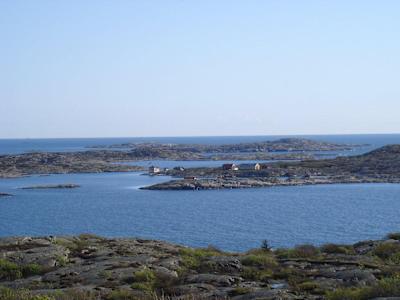
This collection of around 8,000 islands, islets and skerries is one of the world’s last great remote wilderness areas. It runs from the Gothenburg archipelago to the Koster islands and is perfect for paddling.
The coast is dotted with small fishing villages, making it easy to split it into sections. Lysekil archipelago has wild waters, Fjällbacka has rocky cliffs and Kosterhavet National Park is home to 1,200 different species. In summer, 18-hour days give plenty of paddling time, too.