
Exploration
7 cave dwellings fit for a family (or two)
Home, sweet, cave? Hey, it worked for early man. Check out cool spots humans have taken shelter in.
It's a survivalist's dream – find a cave, and call it home. And to be fair, people have been doing it for years, all over the world, to varying degrees of luxury and comfort. We researched some of the world's most famous cave dwelling from Afghanistan to the Americas. So if you're looking for a place to hang your hammock but avoid the rain, scroll down to check out seven caves you could totally live in.
Petra, Jordan
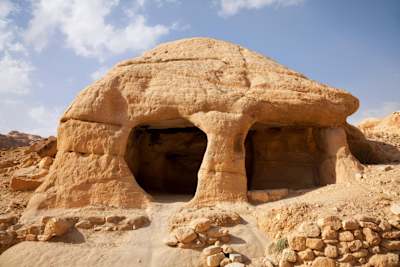
A cave dwelling in Petra
© Martin Child / Getty Images
Location: Ma'an Governorate, Jordan


Created: 300 BC
Firsthometo: Nabataeans
Howtovisit: Easily accessible from the modern town of Petra but once in the site the only transport is camel, donkey or horse.
This ancient site, carved into rose-coloured rock and spread over 40 square kilometres, was once a key trade hub between Arabia, Egypt and Syria.
It is famed for its pillared Treasury building but also houses thousands of small resident caves. They were permanently occupied right up to the late 20th Century, when it was turned into a UNESCO heritage site.
Uchisar, Cappadocia, Turkey
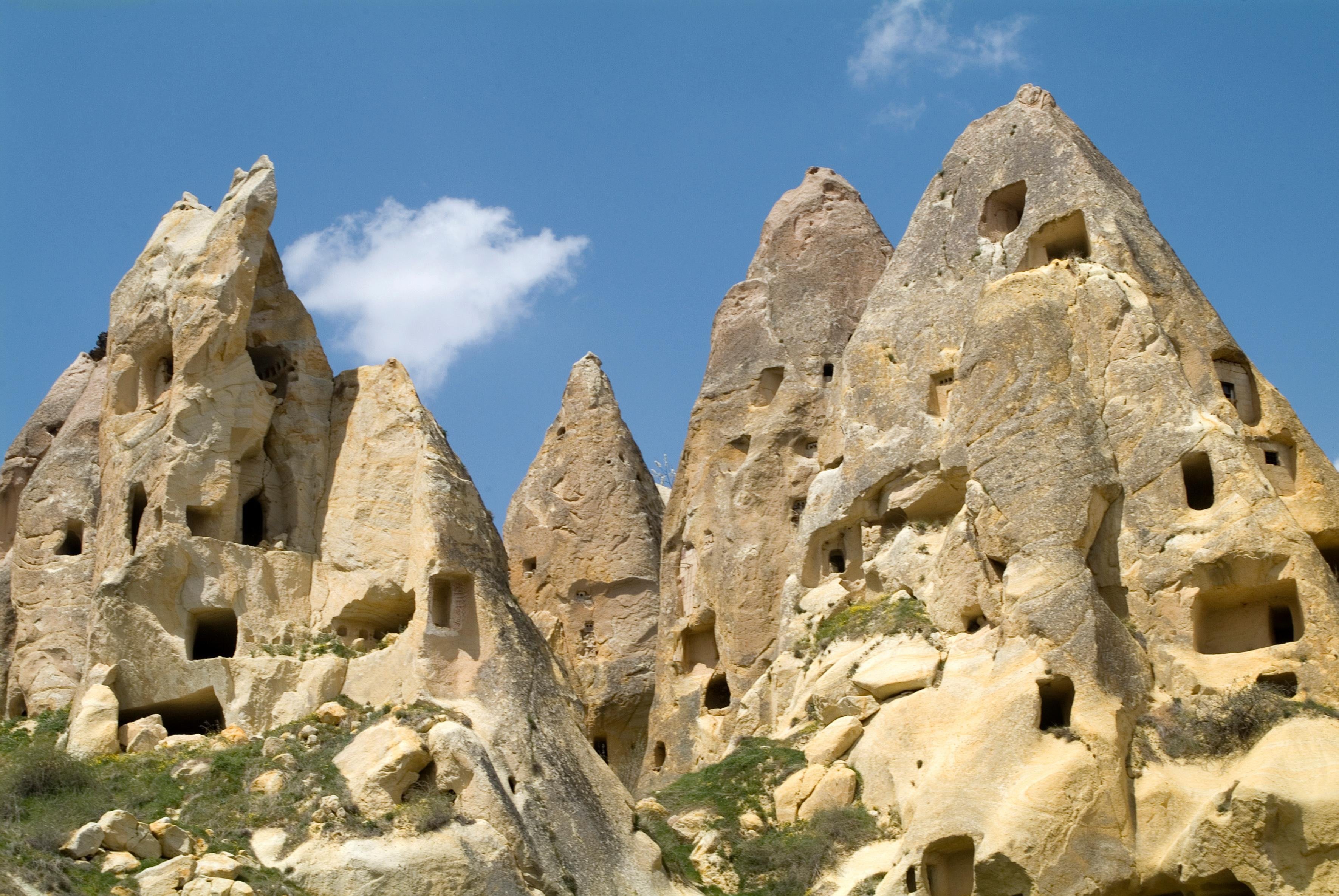
A cave dwelling in Uchisar
© LightRocket / Getty Images
Location: Near Goreme, Turkey
Created: 1400-1500s
Firsthometo: People of the Ottoman Empire
Howtovisit: Fly or train from Istanbul or Ankara and you can stay in a cave hotel and hike the trails.
Holed out like a block of Swiss cheese, this natural rock castle is the high point and former powerhouse of the Cappadocia cave network.
It is filled with living chambers, churches, burial tombs, escape tunnels and several complex traps. The region around it is known as 'pigeon valley', with the caves painted white to attract birds for their fertile droppings.
Vardzia, Southern Georgia
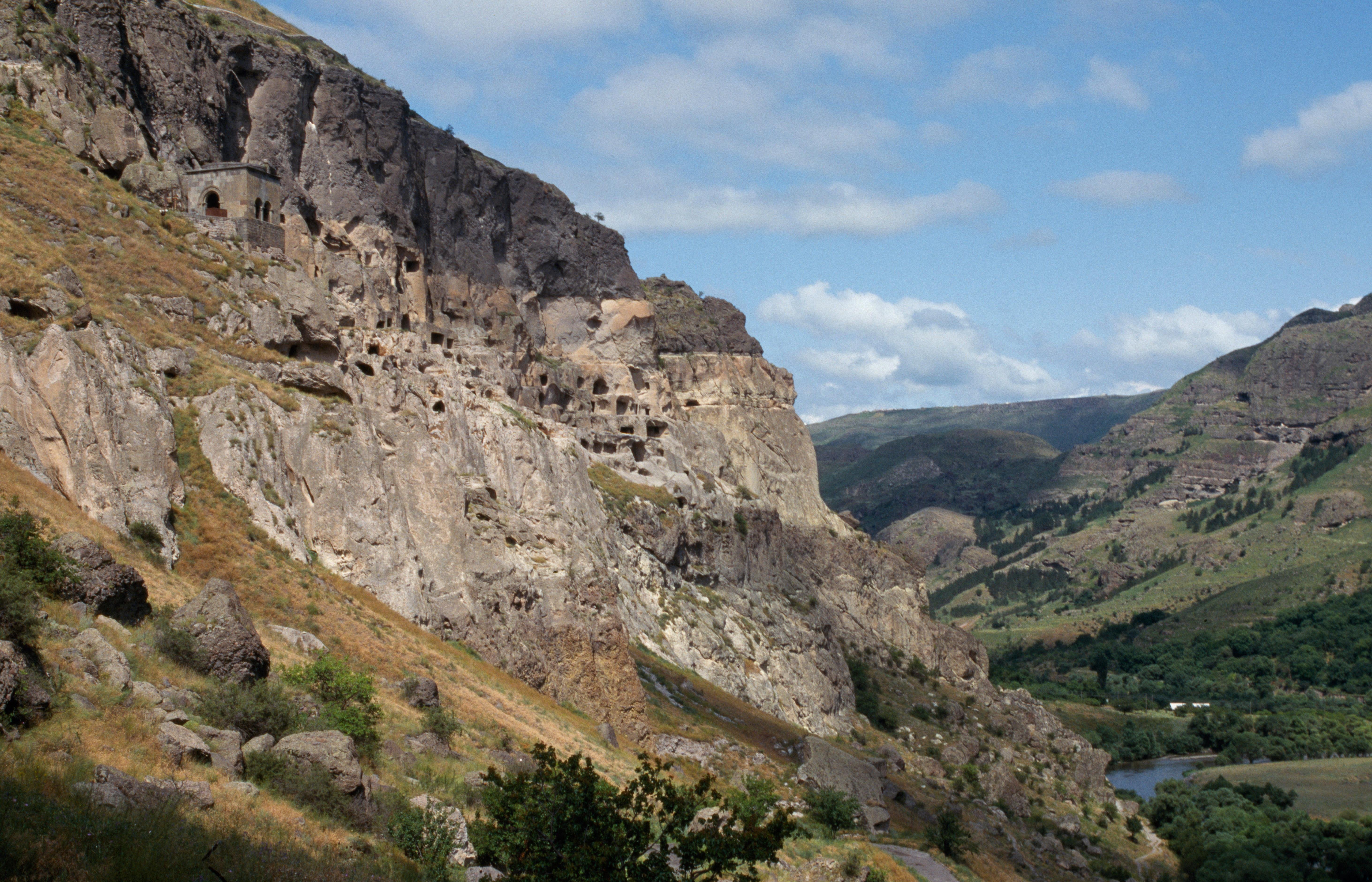
Vardzia, Georgia
© AWL Images RM / Getty Images
Location: Southern Georgia
Created: 1180s
First hometo: Georgian Monks
Howtovisit: A day trip from Akhaltsikhe, the site is now an Historical Architectural Museum Reserve and is open to tourists.
Built to house 40,000 people, this rock city includes 13 floors of carefully carved construction with 409 rooms and includes 25 wine cellars.
Many of the secret tunnels were revealed when a major earthquake in 1283 tore the mountain to bits – but there is still a working monastery that houses a small group of practising monks to this day.
Terreras del Cualgerin, Spain
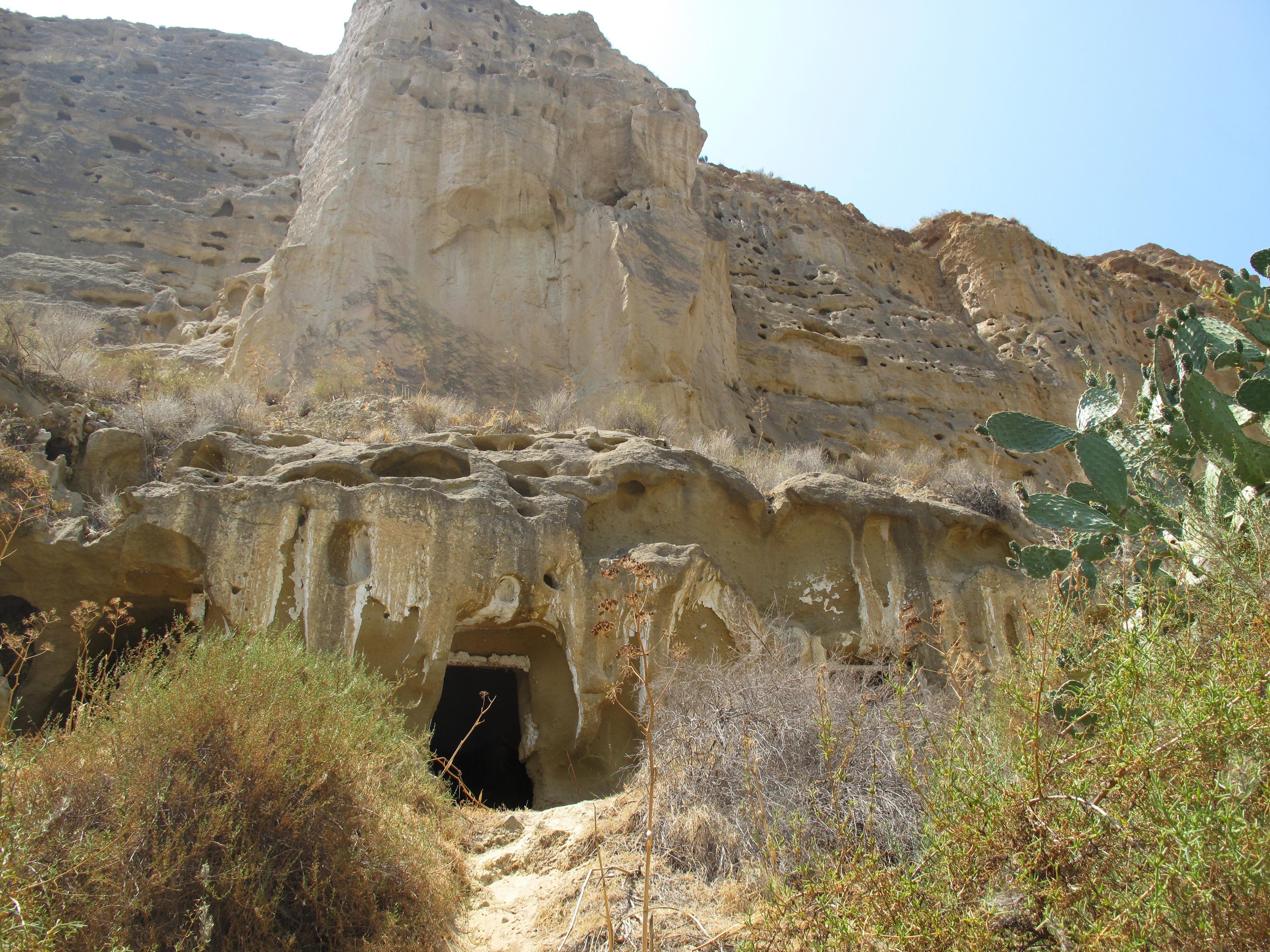
Simple Spanish living
© Cristina Arias / Getty Images
Location: Almeria Province, Andalucia, South East Spain
Created: Between 1900 BC and 1300 BC
Firsthometo: Prehistoric cave dwellers
Howtovisit: A 380km drive south east of Madrid will take you to a variety of modernised cave dwelling hotels.
Once home to pioneering silver miners, this region consists of more than 260 caves running five layers deep.
Many have been abandoned or destroyed by erosion but some have been refurbished and converted into homes and tourist accommodation. The nearby Cuevas del Almanzora houses a plush golf resort.
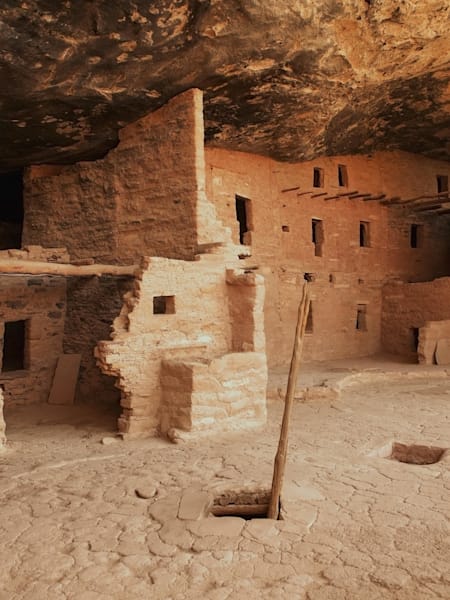
Mesa Verde
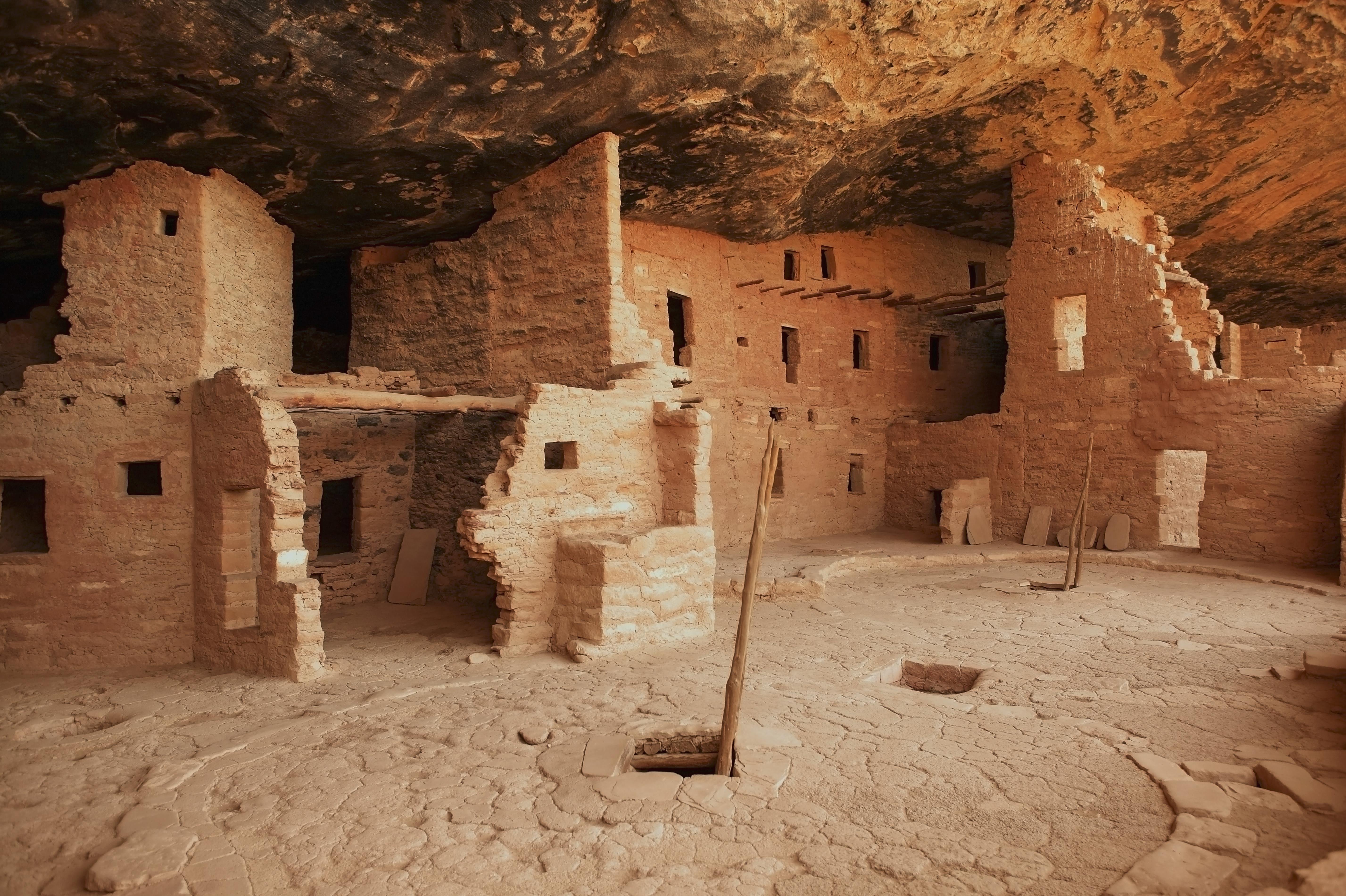
Yes, this was someone’s home
© Perspectives / Getty Images
Location: Montezuma County, Colorado, USA
Created: Late 1190s
Firsthometo: Ancestral Puebloans / Anazazi
Howtovisit: Part of Southwest's Grand Circle, this is accessible from major airports and has lodges in the park.
Discovered by a cowboy in the late 1800s, the Cliff Palace is the centrepiece of this 600-cave preserve in the heart of the Rockies.
Translated as 'Green Table', it was home to ancient farmers who lived in villages chiselled under the cliffs up to 150 rooms in size. It is now a National Park, the largest archaeological preserve in the USA.
Festos, Greece
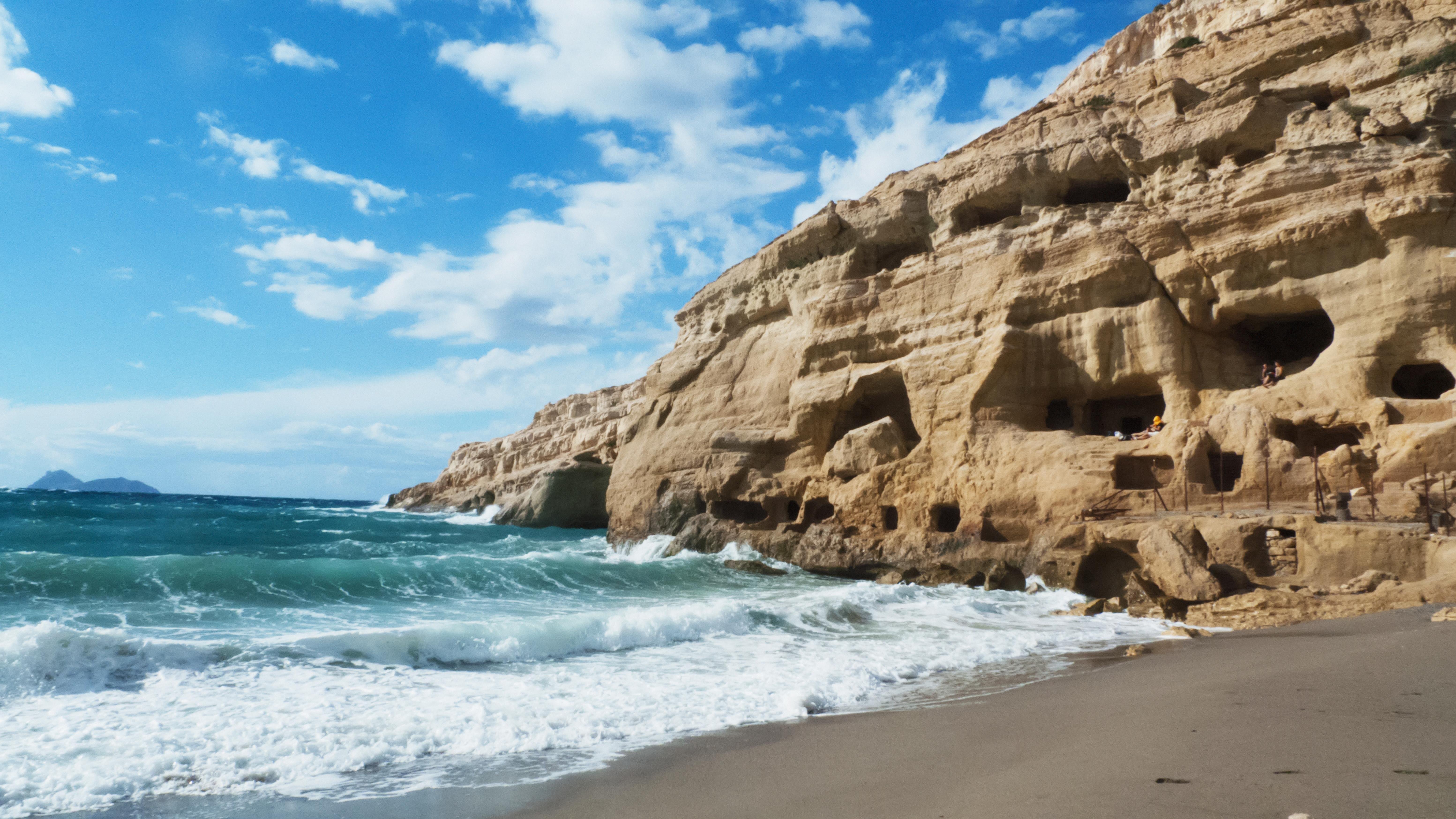
Grecian caves
© Axiom RM / Getty Images
Location: Festos, Crete, Greece
Created: Between 3000 BC and 1850 BC
Firsthometo: Minoans
How tovisit: An hour's drive from the island's main town of Heraklion but the caves can only be viewed from afar.
Hanging precariously above the sea, these cliff homes are some of the oldest, carved into chalk cliffs thousands of years ago.
Containing carved beds, windows and porches and sitting in the perfect location to view the island's spectacular sunsets, they became a paradise for hippies in the 1970s but are now closed to visitors.
Bamiyan, Afghanistan
Actually, these are just holes in a wall
© Christophe Cerisier / Getty Images
Location: Central Afghanistan
Created: 600 AD
First hometo: Hephthalites
How to visit: Three flights from Kabul per week but some areas still house mines and unexploded ordinance.
This ancient site housed more than 1,000 caves at its peak but some are at risk of collapse having undergone heavy attack from the Taliban in 2001.
Around 700 Afghan families now call this ancient cave site home, but the addition of front doors and windows, extensions and even satellite dishes and solar panels are damaging the site.