Taking part in an organised ride this summer? Check out our ultimate guide of 12 things to wear and take with you for a day in the saddle.
Written by Charlie Allenby
10 min readPublished on
Although they originated in Italy, sportives (or gran fondos if you’re feeling continental) have made their way to the UK in a big way over the last decade. Spearheaded by big events such as the Prudential RideLondon and L’Etape UK, not a weekend goes by between April and October where you can’t find an 80-miles-plus road ride to sign yourself up to.
But before you rock up to the start line, it’s ideal to make sure you’ve got all the right gear for a solid session in the saddle. You may have followed all the sportive training tips and be in peak physical condition for the route that lies ahead, but not choosing the right kit could bring your ride to a premature (and potentially very sore) end. Here, we look at 12 essential bits of kit that will get you across the finish line, every time.
It’s possible to take on a road-focused sportive on any bike that falls within the organiser’s rule book (most only disallow fixed gear bikes with no breaks, BMXs and unicycles), but a road bike with dropped handlebars is going to be your best bet. Not only will it be a lot more aerodynamic (and therefore faster) as a result of your position on the bike, but there’s a good chance it will be lighter than a hybrid or mountain bike alternative, too – a factor that will come in handy on any of the route’s hills.
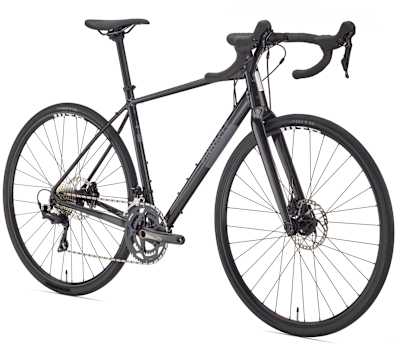
As with many things in road cycling, there’s no real upper limit to how much you can spend on a bike, and it’s down to your budget and needs. But, if you’re looking for something that is both great value and high quality, the Pinnacle Arkose R2 is a safe bet. The gravel gem in retailer Evans Cycles' in-house brand’s crown, the bike has a solid aluminium frame and carbon fork and is specced with some amazing components, including a Shimano 105 chainset. It’s jam-packed with some of the latest trends in road cycling – hydraulic disc brakes, tubeless-ready rims, wide tyres – and is a bike for all seasons that will be capable of tackling a sportive just as much as it is a bikepacking jaunt.
Not sure how to change an inner tube or readjust your seat? Learn! There are plenty of step-by-step tutorials online that will take you through anything – from taking off your tyre to doing a complete build of a bike – and these skills will be invaluable if something goes wrong with your ride while on a sportive.
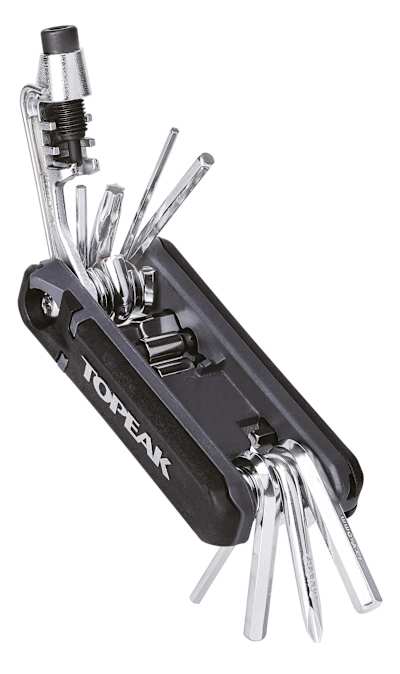
But you can’t lug a whole toolbox around with you on a ride. Enter the multitool. An essential that should be in any jersey pocket or saddle bag, it doesn’t need to be all-singing and dancing – any issues that require serious work are probably left until you get home, or for the local bike shop – but a good set will include a range of hex keys, some tyre levers and a screwdriver as a minimum. The Hexus X by Topeak has all this and more, and will turn a mechanical fault from a ride-ending issue into a quick five-minute fix.
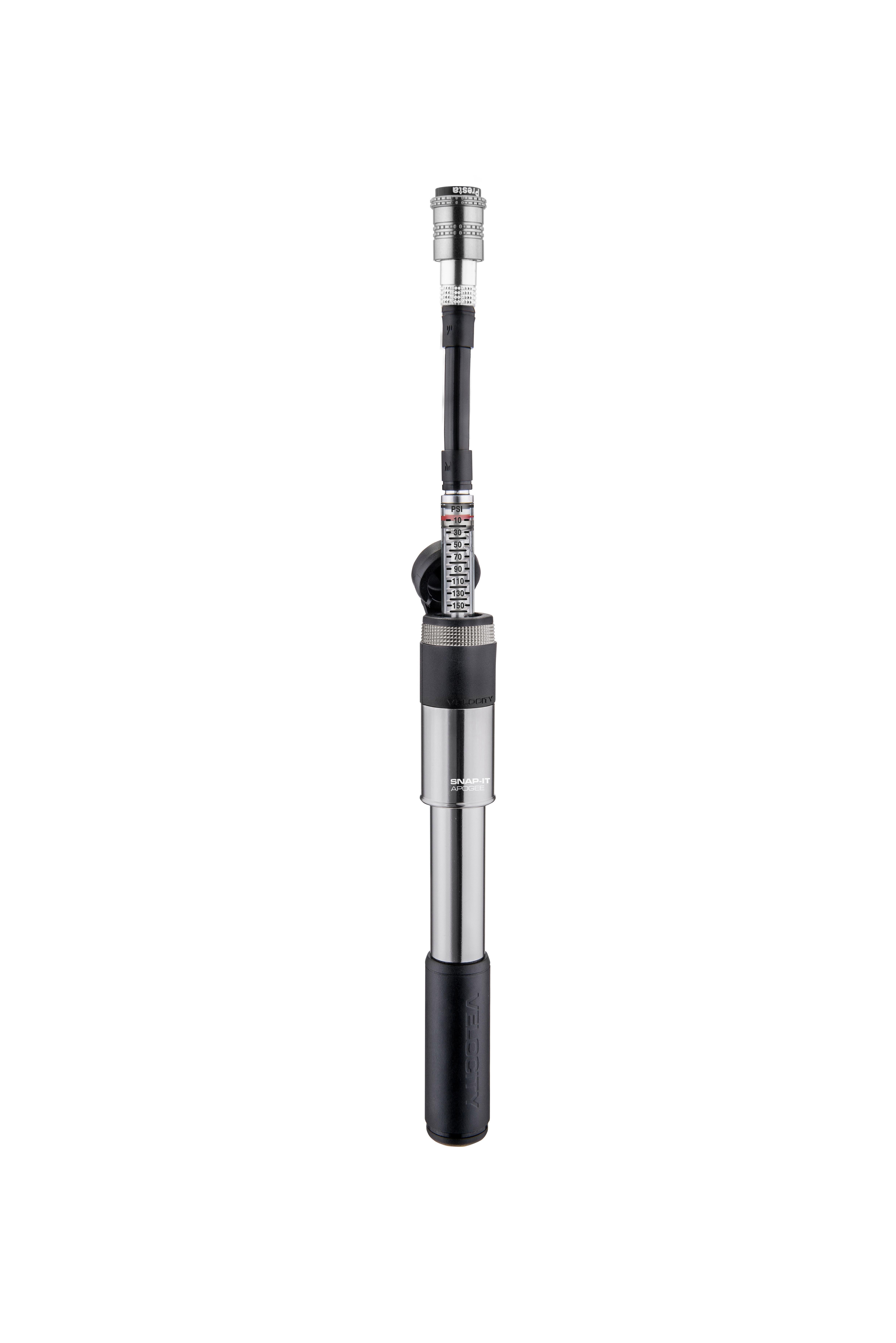
This piece of kit does what it says on the tin, but having one with you can make all the difference if a mid-ride flat brings your race to a halt – especially if there aren’t any support cars on the route with a track pump in tow.
Those looking for the ultimate mini pump should look no further than the Birzman Velocity Apogee. Not only is it a compact piece of kit that comes with mounts to attach it to your frame, but it includes a gauge so it’s possible to make sure your tyre is re-inflated to the correct pressure – preventing a pinch puncture further on down the road from not inflating your new inner tube enough.
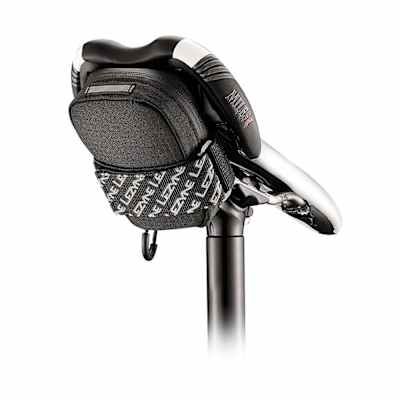
Although not a dealbreaker, a saddle bag can come in handy on longer rides as a place to store mechanical essentials, freeing up space in your jersey’s pockets for extra layers and food.
A compact saddle bag is fine for a sportive – there’s no need to get something suited to a bikepacking trip – and the Road Caddy by Lezyne slots snuggly beneath your saddle with enough room for a multitool and spare inner tube.
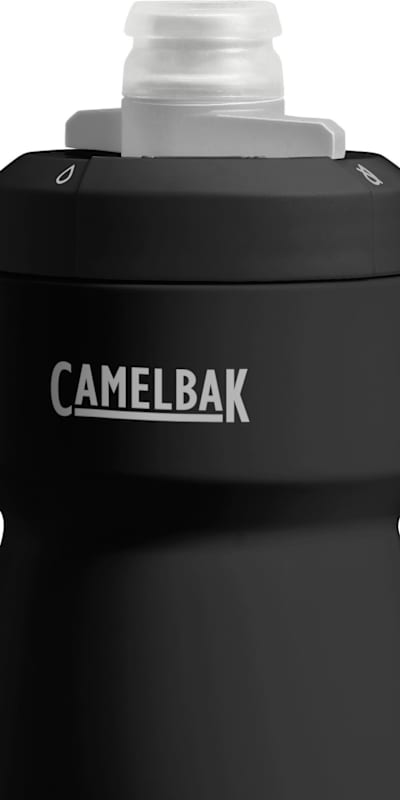
It might sound obvious, but it’s important to stay hydrated on a long ride. Not only will taking fluid on stop you becoming dehydrated, but it will also keep your performance at higher levels for longer.
Most road bike frames have space for two water bottle cages, and it’s best to make sure they’re both filled when taking on a longer sportive. The Podium by Camelback is a great bidon (French for bottle) to take with you on any ride, with its self-sealing cap ensuring there are no spillages.
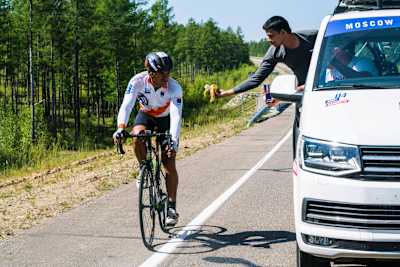
Just as it’s important to get water onboard during a sportive, it’s key to replace the energy you’re burning through mid-ride to keep your performance levels high. Not refuelling correctly can lead to a drop in ability, fatigue and, at worst, 'hitting the wall'.
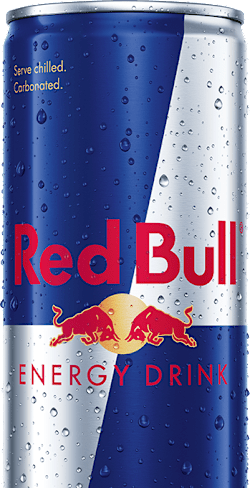
Most sportives will have food or nutritional supplements dotted around the course, but it’s always good to have a small supply of your own stuffed in your jersey pocket, just in case you need a top up. Aim to take on around 30-60 grams of easily digestible carbs per hour. You can get this from carb-based drinks, such as a can of Red Bull, or solid food, such as jam sandwiches or jelly sweets.
7. Jersey
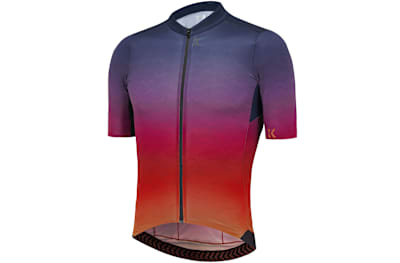
After some eye-catching kit? Look no further than Kalf's Flux print
It’s time to embrace the lycra. As much as you don’t want to look like a MAMIL (middle aged man in lycra, if you’re not in the know), there’s a reason why all those chaps going through a mid-life crisis have decked themselves out head-to-toe in the body-hugging material.
A cycling jersey will keep your temperature regulated, wick away sweat from your body to help you stay dry, and won’t flap around when on a descent. Most include a full zip that's easy to adjust on the move, while pockets on the rear are great for stuffing with the essentials listed above.
The Kalf range from Evans Cycles manages to combine a high-quality product with a price tag half that of the premium brands on the market, and its Flux Print jersey is certainly eye catching – for all the right reasons.
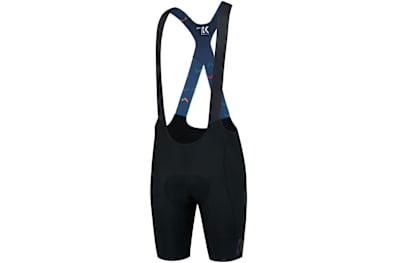
Now you’ve got over the fear of lycra, you might as well go the whole hog and get some bib shorts too. Unlike a conventional pair of sports shorts, they hug the body – helping to prevent issues with friction – and include a sweat-wicking chamois padding for the nether regions to boost comfort and keep things dry.
Similar to their waist-hugging cousins in design, bib shorts have the added benefits of braces to help keep them in place, which help to aid comfort and fit. They are also generally of higher quality than the entry-level-only waist shorts, with the other half of Kalf’s Flux Print set offering comfort and performance mile after mile, ride after ride.
It might sound a bit extreme to say that sock choice is an essential for a sportive, but this is about more than your #sockgame. The right set can turn the inside of your shoes from a sweat box into a well-ventilated dream, which can make all the difference in terms of comfort on a long distance ride.
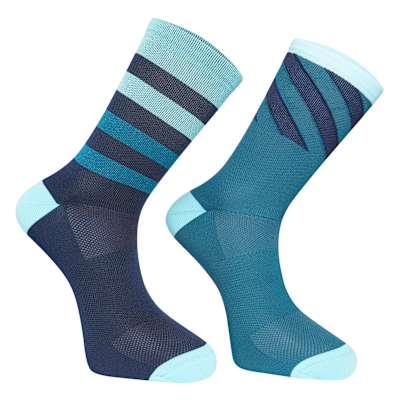
The length of sock you opt for is personal preference (although the road cycling fashion police would say higher is better), and the RoadRace Premio by British brand Madison ticks all the boxes for comfort and height, and is even colour co-ordinated with the Kalf Flux Print jersey above. Win win.
Whether you choose to use one or not when out for a training ride, wearing a helmet is generally non-negotiable when completing a sportive. Any helmet used has to confirm to current safety regulations – the EN 1078 (or European Cycling Standard) – and, unless stated otherwise, all helmets sold in the UK will meet this standard.
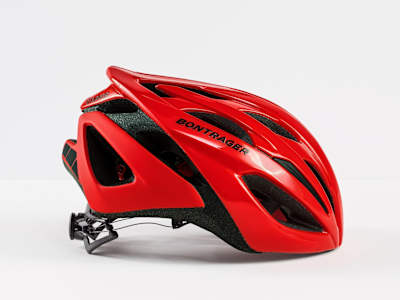
But where do you start when looking for one? A good helmet will have a number of vents to help draw air on the user’s head, keeping it cool in the process. It will also have moisture-wicking liner pads, an adjustable closure system and higher-end models will have enhanced crash protection through a system such as MIPS (Multi-directional Impact Protection System).
The Starvos MIPS by American brand Bontrager has all of these features and more at half the price of competitors on the market, and comes in a range of colours too.
Cycling shoes are feared by those who don’t use them but loved by those who do. So what’s all the fuss about? Essentially, a clipless set-up (named because there aren’t cages on the end of the pedal) sees the user clipped into the pedals using a cleat on the sole of the shoe. The worry from non-adoptees is that, once attached, it’s hard to unclip yourself. This can be an issue when coming to a stop at traffic lights or if you run out of steam on a hill.
The benefits of using them far outweigh the simple task of learning how to clip in and out though. Shoes clipped directly to the pedals allows you to pedal on the upstroke of the rotation as well as on the downstroke, and the power transfer is a lot more efficient compared to sports shoes and flat pedals.
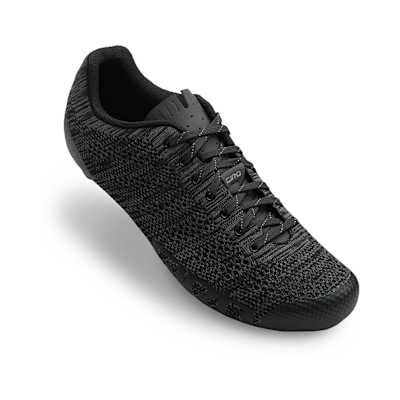
Choosing a pair of cycling shoes will depend on your budget and the features you’re looking for – performance and weight usually coming at the expense of comfort. Similar in style to the knitted shoes that have flooded the running shoe market in recent years, Giro’s knitted Empire E70 manage to combine comfort and breathability with performance and durability.
Even if you’re taking on a sportive in the height of the British summer, it’s advisable to pack a rain jacket in your jersey pocket just in case. As well as helping your top half stay dry in a downpour, it can also keep you warm at different points of the ride – both at the start as your body comes up-to temperature and as a windbreaker on long descents.
The benefits of using a cycling-specific rain jacket are numerous – they have a tighter fit, will be breathable and fold down to a small and easily portable package – and it’s worth investing in one that’s actually going to keep you dry if the worst happens.
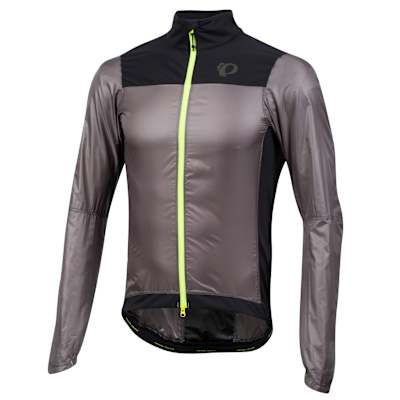
Before you blow your bank balance on a Gore-Tex featuring cape, it’s worth checking out the Pearl Izumi PRO Barrier Lite. A fraction of the price of some premium competitors, the jacket is a lightweight and breathable bit of kit that will keep you dry both inside and out.