




Gaming
Esports
Everything you need to know about the Counter-Strike Majors
Counter-Strike's first Major of 2026 has finally arrived. Here's everything you need to know about the teams, format and storylines that will define the tournament.
The Counter-Strike Majors are among the most prestigious esports tournaments in the world. For more than 12 years, they've been a cornerstone of the competitive calendar for players, teams and fans alike. With IEM Cologne taking place this month and Natus Vincere returning to action, now's the perfect time to find out all about the Majors.
01
What is a Counter-Strike Major?
Mathieu "ZywOo" Herbaut – the only three-time MVP in history
© Helena Kristiansson/ESL FACEIT Group
If we had to compare, a Major would be the equivalent of a World Cup in football or a Grand Slam in tennis. In a Counter-Strike season, it's the event you don't want to miss.
If you've ever watched a streamer like Kameto or a match on Counter-Strike, you've probably seen weapons with shiny stickers. Well, only participants in a Major can have their signature sticker in the game.
The team that wins a Major goes down in the history of the game and walks away with $500,000 of the $1,250,000 cash pot.
02
The history of the Majors
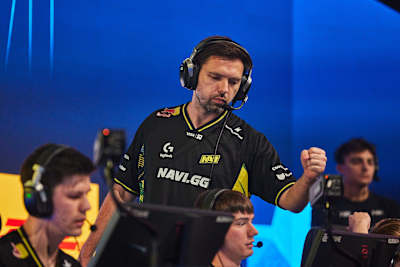
B1ad3 cheers on his players in Atlanta
© Brian Hall/Red Bull Content Pool
On September 16, 2013, Valve (the game's developer studio) announced the arrival of official Majors on Counter-Strike: Global Offensive (CS:GO). The initial budget of $250,000 is partially funded by the community via the "Arms Deal" update, which introduces the first skins in CS:GO. The first tournament took place at DreamHack Winter 2013 in Sweden, bringing together the 16 best teams in the world.
Valve sets the rules, decides on the number of teams, approves the organisers and can ban players. Without teir support, a tournament cannot be recognised as a Major – even with a record prize fund.
In 2016, the publisher doubled the prize fund to $1,000,000 and reduced the calendar to two Majors per year. By 2025, the prize fund had risen to $1,250,000, with 32 teams taking part.
Since the release of Counter-Strike 2(CS2) in September 2023, all the Majors have been played on this new version of the game. The BLAST Paris Major 2023 was the last Major played on CS:GO, before the transition to CS2 at the PGL Major Copenhagen 2024.
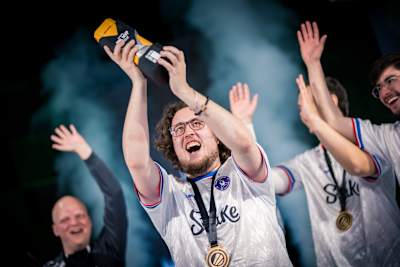
Over the years, Counter-Strike Majors have become major cultural events in global esports. The PGL Major Stockholm 2021 reached 2.75 million simultaneous spectators at the Grand Final - an all-time record for the licence at the time. The arenas welcome thousands of fans in person: the Lanxess Arena in Cologne, nicknamed the "Cathedral of Counter-Strike", can accommodate up to 18,000 people.
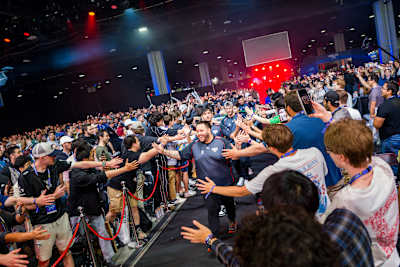
Counter-Strike Majors attract huge crowds
© Luc Bouchon/ESL FACEIT Group
These figures place the CS2 Majors among the most-watched esport events in the world, alongside League of Legends Worlds and Dota 2's The International.
03
Majors winners list
In the history of Counter-Strike, teams like Natus Vincere and Astralis have established themselves as the benchmarks among the best Counter-Strike teams in the world, and their results in the Majors are no exception.
Tournament
Winner
Team nationality
Players
DreamHack Winter 2013
fnatic
🇬🇧 England
🇸🇪 JW 🇸🇪 flusha 🇸🇪 Devilwalk 🇸🇪 schneider 🇸🇪 pronax
EMS One Katowice 2014
Virtus.pro
🇷🇺 Russia
🇵🇱 TaZ 🇵🇱 NEO 🇵🇱 pasha 🇵🇱 Snax 🇵🇱 byali
ESL One Cologne 2014
Ninjas in Pyjamas
🇸🇪 Sweden
🇸🇪 friberg 🇸🇪 f0rest 🇸🇪 Xizt 🇸🇪 Fifflaren 🇸🇪 GeT_RiGhT
DreamHack Winter 2014
Team-LDLC
🇫🇷 France
🇫🇷 Happy 🇫🇷 NBK 🇫🇷 SmithZz 🇫🇷 shox 🇫🇷 kioShiMa
ESL One Katowice 2015
fnatic
🇬🇧 England
🇸🇪 JW 🇸🇪 flusha 🇸🇪 pronax 🇸🇪 olofmeister 🇸🇪 KRIMZ
ESL One Cologne 2015
fnatic
🇬🇧 England
🇸🇪 JW 🇸🇪 flusha 🇸🇪 pronax 🇸🇪 olofmeister 🇸🇪 KRIMZ
DreamHack Cluj-Napoca 2015
EnvyUs
🇺🇸 USA
🇫🇷 Happy 🇫🇷 NBK 🇫🇷 apEX 🇫🇷 kennyS 🇫🇷 kioShiMa
MLG Columbus 2016
Luminosity Gaming
🇺🇸 USA
🇧🇷 Fallen 🇧🇷 fer 🇧🇷 coldzera 🇧🇷 fnx 🇧🇷 TACO
ESL One Cologne 2016
Luminosity Gaming
🇺🇸 USA
🇧🇷 Fallen 🇧🇷 fer 🇧🇷 coldzera 🇧🇷 fnx 🇧🇷 TACO
ELEAGUE Major Atlanta 2017
Astralis
🇩🇰 Denmark
🇩🇰 gla1ve 🇩🇰 dupreeh 🇩🇰 device 🇩🇰 Xyp9x 🇩🇰 Kjaerbye
PGL Major Krakow 2017
Gambit Gaming
🇰🇿 Kazakhstan
🇰🇿 AdreN 🇰🇿 mou 🇰🇿Hobbit 🇺🇦 Zeus 🇷🇺 Dosia
ELEAGUE Major Boston 2018
Cloud9
🇺🇸 USA
🇺🇸 autimatic 🇺🇸 Skadoodle 🇺🇸 tarik 🇺🇸 Stewie2K 🇺🇸 RUSH
FACEIT London Major 2018
Astralis
🇩🇰 Denmark
🇩🇰 gla1ve 🇩🇰 dupreeh 🇩🇰 device 🇩🇰 Xyp9x 🇩🇰 Magisk
IEM Katowice 2019
Astralis
🇩🇰 Denmark
🇩🇰 gla1ve 🇩🇰 dupreeh 🇩🇰 device 🇩🇰 Xyp9x 🇩🇰 Magisk
StarLadder Major Berlin 2019
Astralis
🇩🇰 Denmark
🇩🇰 gla1ve 🇩🇰 dupreeh 🇩🇰 device 🇩🇰 Xyp9x 🇩🇰 Magisk
PGL Major Stockholm 2021
Natus Vincere
🇺🇦 Ukraine
🇺🇦 s1mple 🇺🇦 b1t 🇷🇺 Perfecto 🇷🇺 Boombl4 🇷🇺 electronic
PGL Major Antwerp 2022
FaZe Clan
🇺🇸 USA
🇳🇴 rain 🇩🇰 karrigan 🇨🇦 Twistzz 🇱🇻 broky 🇪🇪 ropz
IEM Rio Major 2022
Outsiders
🇷🇺 Russia
🇷🇺 fame 🇷🇺 Jame 🇷🇺 FL1T 🇷🇺 n0rb3r7 🇰🇿 Qikert
BLAST Paris Major 2023
Team Vitality
🇫🇷 France
🇫🇷 apEX 🇫🇷 ZywOo 🇮🇱 Spinx 🇩🇰 Magisk 🇩🇰 dupreeh
PGL Major Copenhagen 2024
Natus Vincere
🇺🇦 Ukraine
🇫🇮 Aleksib 🇷🇴 iM 🇱🇹 jL 🇺🇦 w0nderful 🇺🇦 b1t
Perfect World Shanghai Major 2024
Team Spirit
🇷🇺 Russia
🇷🇺 chopper 🇷🇺 donk 🇷🇺 magixx 🇷🇺 sh1ro 🇺🇦 zont1x
BLAST Austin Major 2025
Team Vitality
🇫🇷 France
🇫🇷 apEX 🇫🇷 ZywOo 🇪🇪 ropz 🇮🇱 flameZ 🇬🇧 mezii
StarLadder Budapest Major 2025
Team Vitality
🇫🇷 France
🇫🇷 apEX 🇫🇷 ZywOo 🇪🇪 ropz 🇮🇱 flameZ 🇬🇧 mezii
Iconic moments in the history of the Majors
- Flawless NaVi - Stockholm 2021: Natus Vincere won the Stockholm 2021 Major by not losing a single map in the entire tournament - an absolute first in the history of the CS:GO Majors. s1mple, voted MVP, delivered one of the most accomplished performances in the history of competitive gaming.
- Cloud9 comeback - Boston 2018: Trailing 11-15 on the decisive map, the Americans from Cloud9 made an overtime comeback against FaZe Clan in front of their home crowd. It was the first North American Major in their history - and in a venue that had rallied to their cause.
- Gambit, the Krakow underdogs - Krakow 2017: Ranked 15th in the world before the tournament, the Kazakhs of Gambit beat the best teams in the world one by one under the leadership of Zeus - former captain of NaVi - to claim the title. Considered to be the greatest feat in the history of the CS:GO Majors.
- donk, 17 and already making history - Shanghai 2024: At 17 years and 324 days, Team Spirit's Russian prodigy became the youngest player ever to win a Major and be named MVP. His incredible level of play throughout the tournament reignites the debate about the greatest players of all time.
- ZywOo, the only three-time MVP in history: Team Vitality's Mathieu "ZywOo" Herbaut is the only player in history to have been voted Major MVP three times. An all-time record that reinforces his place in the debate for the title of best player of all time.
- Astralis, absolute domination - 2018-2019: Four consecutive Majors, three wins in a row. An unprecedented level of collective play that has earned them comparisons with the best sporting dynasties in history. No other team has come close to this record since.
Discover the second episode of our "CS:GO Memories" series:

1 h 36 min
Memories of CS:GO - The Final Years
Learn how the tactical shooter game CS:GO (Counter-Strike: Global Offensive) became a global phenomenon.
04
The five stages of a Major
There are five stages to a Counter-Strike Major:
- Qualifying
- Stage 1
- Stage 2
- Stage 3
- The Playoff Stage
The format has evolved over the years: the first CS:GO Majors featured 16 teams (2013-2017), before being extended to 24 teams (2018-2024), then to 32 teams since the BLAST Austin Major 2025 - an expansion brought in by Valve to make the circuit even more representative of the world's best teams.
Since 2025, the system for qualifying for a Major has been completely overhauled. Gone are the RMRs, the regional qualifying tournaments, and in have come the VRS rankings, which decide the best teams based on their continent.
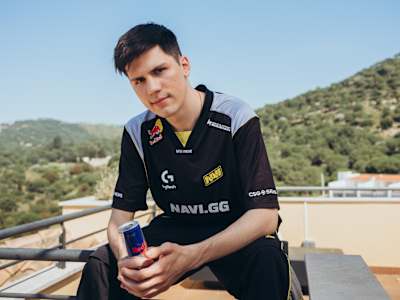
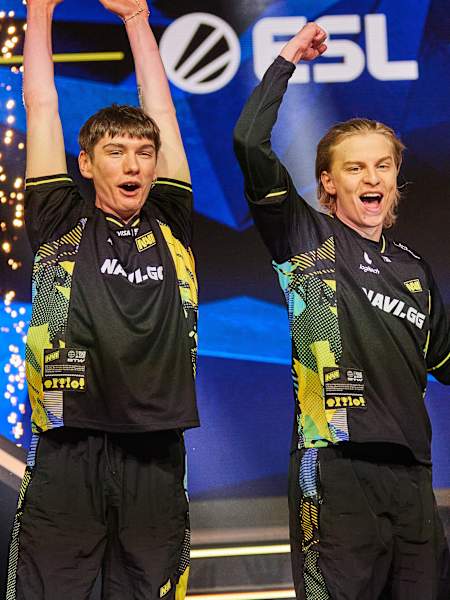
b1t helped NaVi to victory at the PGL Major Stockholm 2021
© Vadym Herasymenko/Red Bull Content Pool
Points are gained or lost as the year progresses and as teams perform better in tournaments. The higher a team is placed in the ranking, the more advanced stage they start in. The best teams enter at the third stage, just before the finals.
The first three stages after qualifying are played directly on site, to kick off the two weeks of competition, and are played on a Swiss system of 16 teams. To qualify for the next stage, you need three wins, otherwise it's back to the airport.
Matches in the first two rounds are played to the best-of-one map, then BO3 (best of three) from the third round onwards, already synonymous with elimination for teams that have lost their first two matches.
The Playoff Stage is the final stage of the Major, played in the arena in front of a live audience. Quarter-finals, then semi-finals to reach the Grand Final. All playoff matches are played to the best-of-three maps, except for the Grand Final - since the Budapest Major 2025, it has been played to the best-of-five, a decision taken by Valve to give even more weight to this historic moment.
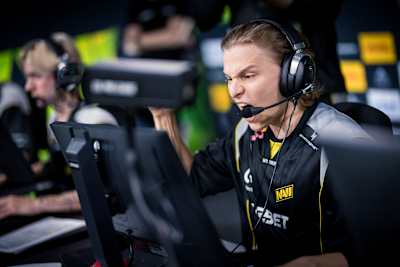
Aleksib is a Counter-Strike 2 player for Natus Vincere
© Helena Kristiansson/ESL FACEIT Group
05
Prize pool distribution ($1,250,000)
Place
Prize
1st
$500,000
2nd
$170,000
3rd-4th
$80,000
5th-8th
$45,000
9th-11th
$20,000
12th-14th
$20,000
15th-16th
$20,000
The winner of a Major will walk away with $500,000 - 40% of the total prize pool. Teams eliminated in Stage 1 (before the playoffs) leave with no prize money.
06
How are the cities chosen for the Majors?
Organising a Major is very complicated. If we take the last one to be played, the StarLadder Budapest Major 2025, there are two things to remember: StarLadder and Budapest.
StarLadder is the name of the organisation that manages everything on site: ticket sales, computers, stadium hire, and so on. Each is in discussions with Valve to convince the publisher to give them a Major.
Budapest, as you've probably guessed, is the city and it's the organiser who decides where the Major is played. It has to be big enough to accommodate all the people involved in the event and, in most cases, the town council can help financially with the organisation.
The two most iconic cities in Counter-Strike esport are Cologne and Katowice. Although they are no longer Majors, IEM Cologne and IEM Katowice have lost none of their prestige. Winning either event remains one of the highest honours in Counter-Strike and a milestone every professional dreams of achieving. To put it in football terms: if the Majors are the World Cup, then Cologne and Katowice are the Champions League.
Game publisher Valve obviously has a say in the discussions between organisers and cities. If it doesn't suit them, they arbitrarily decide not to award the competition. For the last Major of Counter-Strike: Global Offensive, BLAST chose Paris in 2023.
07
The IEM Cologne 2026 schedule
Ten years on, the Lanxess Arena - also known as the Cathedral of Counter-Strike - is once again a Major for the 2026 edition. Team Vitality, who emerged victorious from last year's tournament, are the team to beat this year. The French outfit are looking to claim their fourth star and equal Astralis's Majors haul.
The Cologne Major introduces a new feature: for the first time in the history of the Majors, all Stage 3 matches will be played in BO3, including the first rounds. This decision by ESL and Valve, announced in February 2026, is designed to give even more weight to this crucial phase. It will also take place in a new venue: the Cologne Palladium, in front of a live audience - a first for this stage of the tournament.
Stage 1
June 2-5, 2026
16 teams start Stage 1, and are already playing for their survival in the tournament:
- BetBoom
- GamerLegion
- TYLOO
- HEROIC
- MIBR
- B8
- NRG
- BIG
- Team Liquid
- M80
- Lynn Vision
- SINNERS
- FlyQuest
- Sharks
- Gaimin Gladiators
- THUNDER dOWNUNDER
Stage 2
June 6-9, 2026
These 8 teams enter Stage 2:
- Team Spirit
- Astralis
- G2 Esports
- FUT Esports
- Monte
- 9z Team
- paiN Gaming
- Legacy
Stage 3
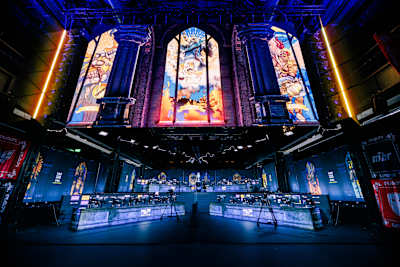
The scene is set for action in Cologne
© Adela Sznajder/ESL FACEIT Group
June 11-15, 2026
These 8 teams go straight into Stage 3.
- Team Vitality (defending champions)
- Natus Vincere
- PARIVISION
- Aurora Gaming
- Team Falcons
- MOUZ
- FURIA Esports
- The MongolZ
Playoffs (all times are CEST)
Thursday June 18:
- Quarter-final 1 - 3.45pm
- Quarter-final 2 - 7.00pm
Friday June 19:
- Quarter-final 3 - 3.45pm
- Quarter-final 4 - 7.00pm
Saturday June 20:
- Semi-final 1 - 3.45pm
- Semi-final 2 - 7.00pm
Sunday 21 June :
- Final - 5.00pm
Read more stories from the world of gaming
FAQs
