

Exploration
This guy reached Everest with no training
Photographer David East had no mountaineering experience… but trekked to the world’s highest peak.
Most people about to embark on a trek to see the world’s highest mountain would put in hours of training for the gruelling challenge ahead. But not David East. The 24-year-old photographer from London decided that a handful of three-mile jogs and his previous life as a skater would suffice for an eight-day hike to Everest Base Camp, which stands at a dizzying 5,364 metres above sea level.
RedBull.com caught up with David after his trip, to find out just how hard it was – and whether he’d recommend it to others.
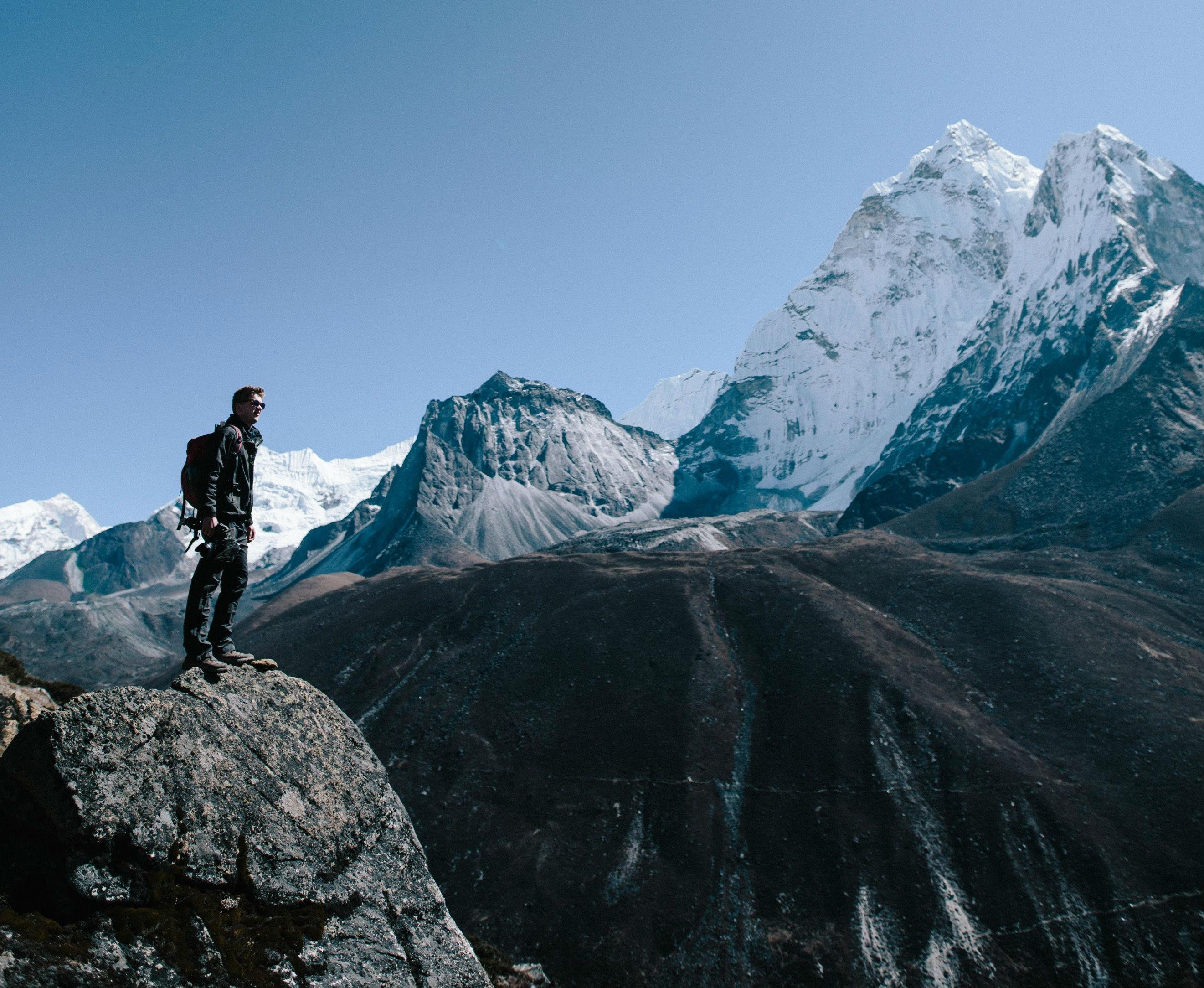
A scenic stop during the trek to Everest Base Camp
© David East
So David, what made you decide to hike to Everest Base Camp?
A friend of mine had done something similar before and he got me on board with a few friends. There were ten of us in total, all creatives – from photographers and filmmakers to artists and writers. We were all in a similar position – totally out of our comfort zones, although I had definitely done the least training.
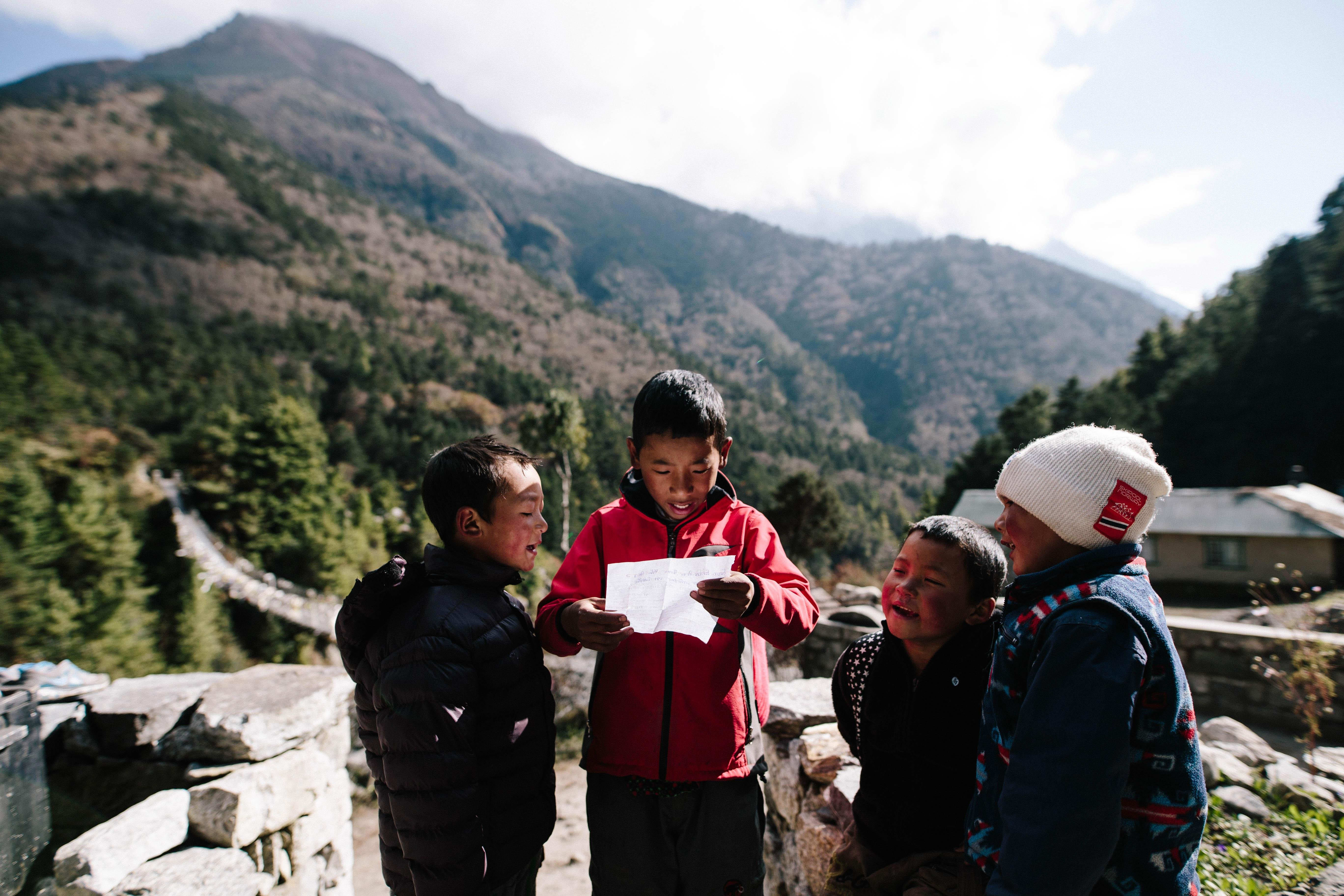
Children singing en route to Everest
© David East
How fit were you before the trek?
I’d say I’m moderately fit. I used to skate a lot, which I think helps, but have never been a runner or a swimmer. I started running a bit before this trip and found that tough.
Reaching Everest Base Camp is no mean feat – how did you prepare for it?
I went hiking a bit while I was on holiday in Norway, but that doesn’t prepare you for the altitude in the Himalayas. At home I did a few three-mile runs and ate healthier food like salad, fruit and less fried food. But I didn’t do much training at all. I did start to wonder whether this was a mistake as I left for the trip.

A pause to take in the view
© David East
Would you call yourself a natural adventurer?
I like to go out into nature and explore with my photography, but I’m not someone who would usually go on a long hike. I didn’t have any mountaineering experience, and had never done anything at altitude or in extreme weather. I had only been camping on some family holidays and at festivals. So it’s fair to say that this was a monstrous mission – and something that was very new for me.
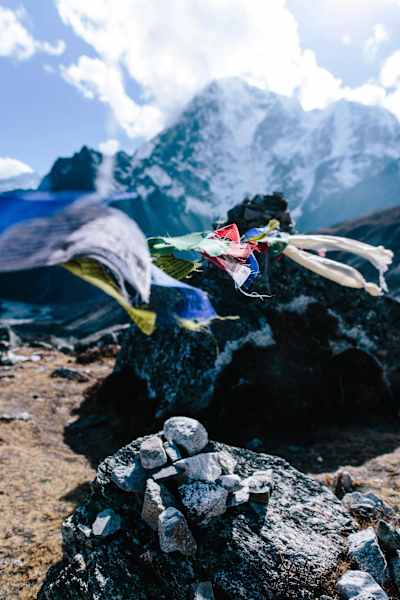
Memorial to those who lost their lives on Everest
© David East
You started in Lukla, hiking almost 3,000 metres up, past villages and tea houses, until you reached Base Camp seven days later. How tough was it?
It was insane! Definitely the hardest thing I’ve done. The altitude makes even the simplest things hard to do. Some people found it even harder going back down because of the strain it puts on your knees. Because I used to skate, I’m naturally pretty fit so luckily my legs were OK.
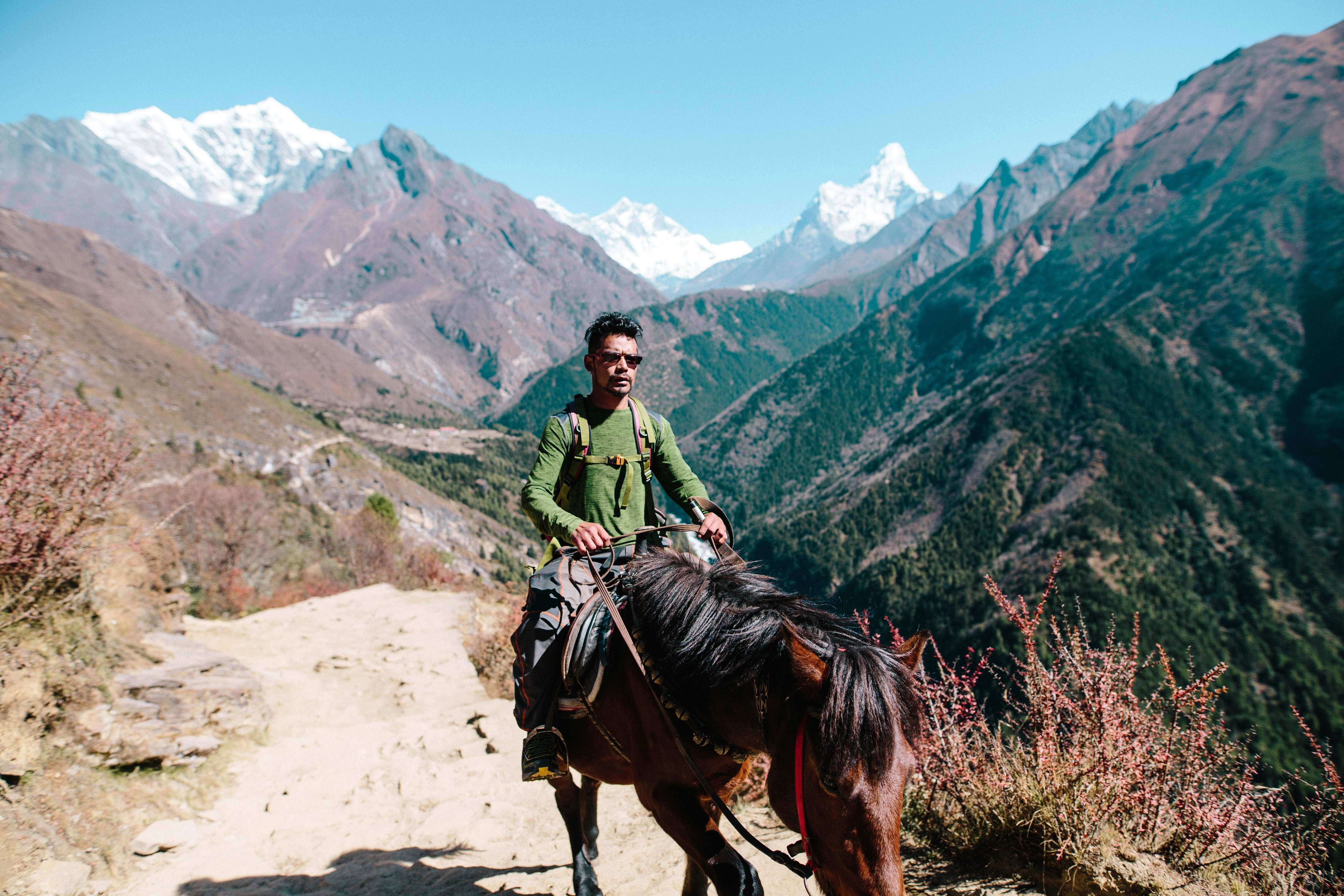
A Sherpa rides past on a horse
© David East
What was the hardest part?
The altitude was the most hectic thing by far. Even when we were in Lukla (2,860m altitude), you feel like everything is hard to do. As we got higher and the air became thinner, you feel it even more. Imagine there’s no air – you feel it in your lungs and chest with every step and even the most normal things become a challenge. It feels like you are running a marathon, but forgetting to breathe.
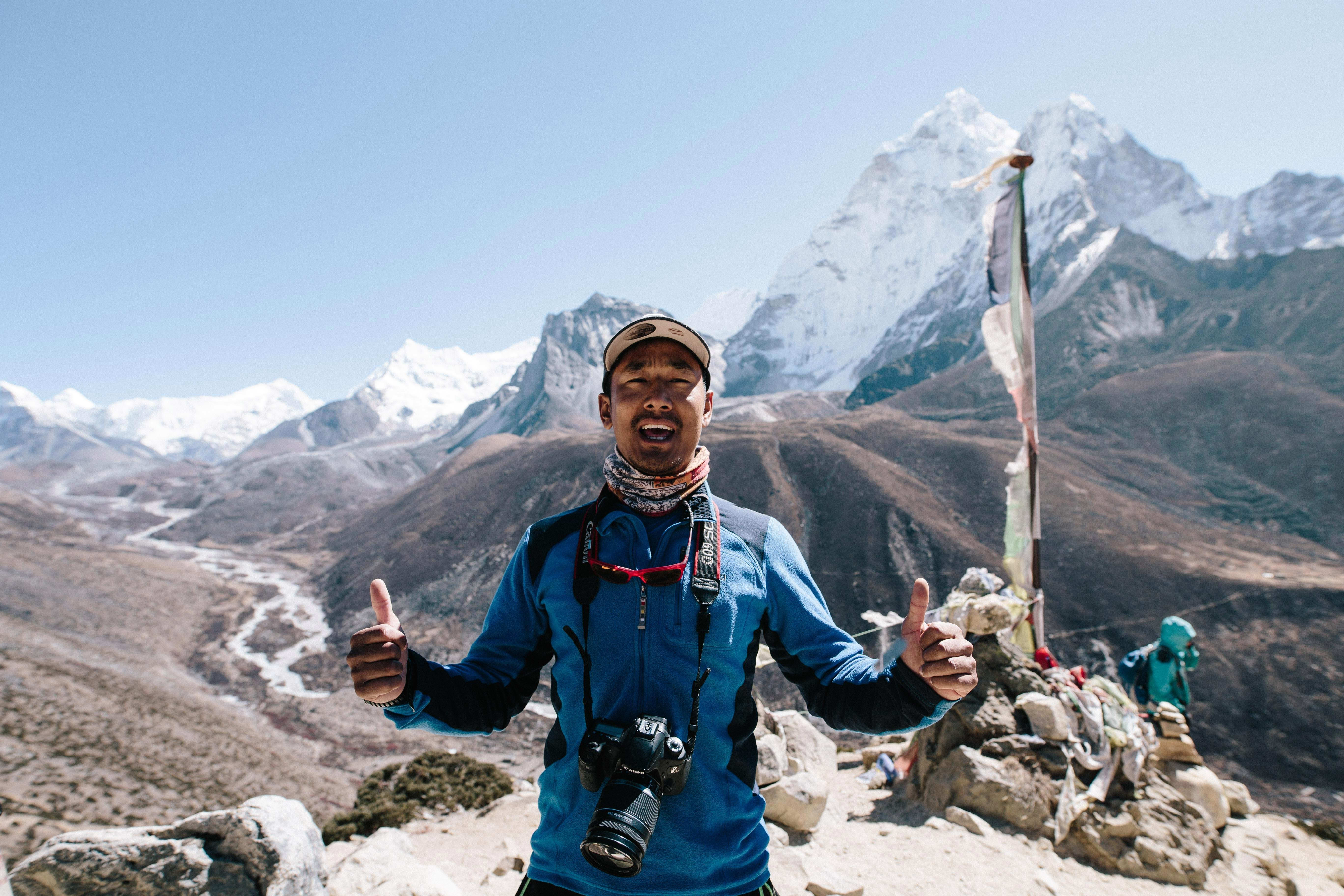
Local guide Passang led the group to their goal
© David East
Did you get any symptoms of altitude sickness?
We got headaches every day and migranes at night. Even if you didn’t have a headache, you’d get so paranoid that you would get one that you ended up getting one anyway. Altitude sickness affects everyone differently, and some people are luckier than others. I began to feel ill as we got higher, but pushing through it and making it to Everest Base Camp was really rewarding. Once you’re at Base Camp, you’re at more than 5,000 metres altitude, so every step is an effort.

The final stretch to Base Camp
© David East
How physically fit do you have to be to do this?
You need to be reasonably fit, but one thing I learnt is that getting to Everest Base Camp is more of a mental challenge than a physical challenge. I’d say it’s 90% mental. If you think you are going to make it, you will. Some people didn’t get that and so they didn't make it. I didn’t train that much, and a lot of people were fitter than me, but we were all on the same level because it turned out to be mind over matter.
How did it feel when you reached Base Camp?
It was the most incredible feeling – this was the moment the whole trek had been leading up to and finally we were there. We were all so stoked at having reached this spot, with the world’s tallest mountain right ahead of us. It was pretty crazy to think we were at the very place where people make their bid to summit Everest.

David and his group at Base Camp
© David East
Base Camp was so cold, and because we were there off season, there were piles of rocks and prayer flags strung up. In peak season [usually around May] there would be lots of tents and climbers around. We wanted to stay longer but because of the altitude and freezing temperatures, we stayed less than an hour – long enough to celebrate and take pictures.
Anything unusual people might not realise about trekking to Everest Base Camp?
I’d thought it would be all up – but it’s really undulating. You go up, then down a bit, then up again. That also makes the whole journey tougher mentally – you never know what’s around the next corner. Also, I couldn’t help thinking that it was a bit like a festival – there’s no shower, you’re tired and dirty and walk a lot, but there’s a great atmosphere!

Looking towards Namche Bazaar village
© David East
Has the trip changed your outlook on anything?
The trip lived up to my expectations 100% and has made me want to climb more. I was in awe the whole time, blown away by the beauty of the landscapes and how big this world is. I was constantly looking up to the mountaintops. Weirdly, it reminded me of Manhattan, craning your neck the whole time – but instead of skyscrapers, I was looking up at mountains.
What advice would you give to others thinking about trekking to Everest Base Camp?
Go for it! Just make sure that you have the right mindset first. If you start complaining from the off, you’re less likely to make it. You have to really want it. It was such an incredible experience – everyone should do it at least once in their lives.