


Gaming
Games
A peek into the Indian game development scene
India has produced some incredibly talented game developers in recent years. Here's an inside look into this growing scene.
Indian game developers are a curious lot. For a long time, our country's games have been associated with terrible Bollywood adaptations and whatever the hell Agni was. However, in recent times, game development in India has become so much more. Though the mobile space still has a strong amount of Bollywood and Cricket games, there have been a few new, fun concepts gaining steam thanks to the hard work of Indian developers. These range from puzzle shooting games like Lovely Planet to in-depth RPGs like Unrest, where decisions can impact the entirety of your journey. It has not been an easy road for many of these creators but the results are steadily highlighting India as a strong well for quality games.
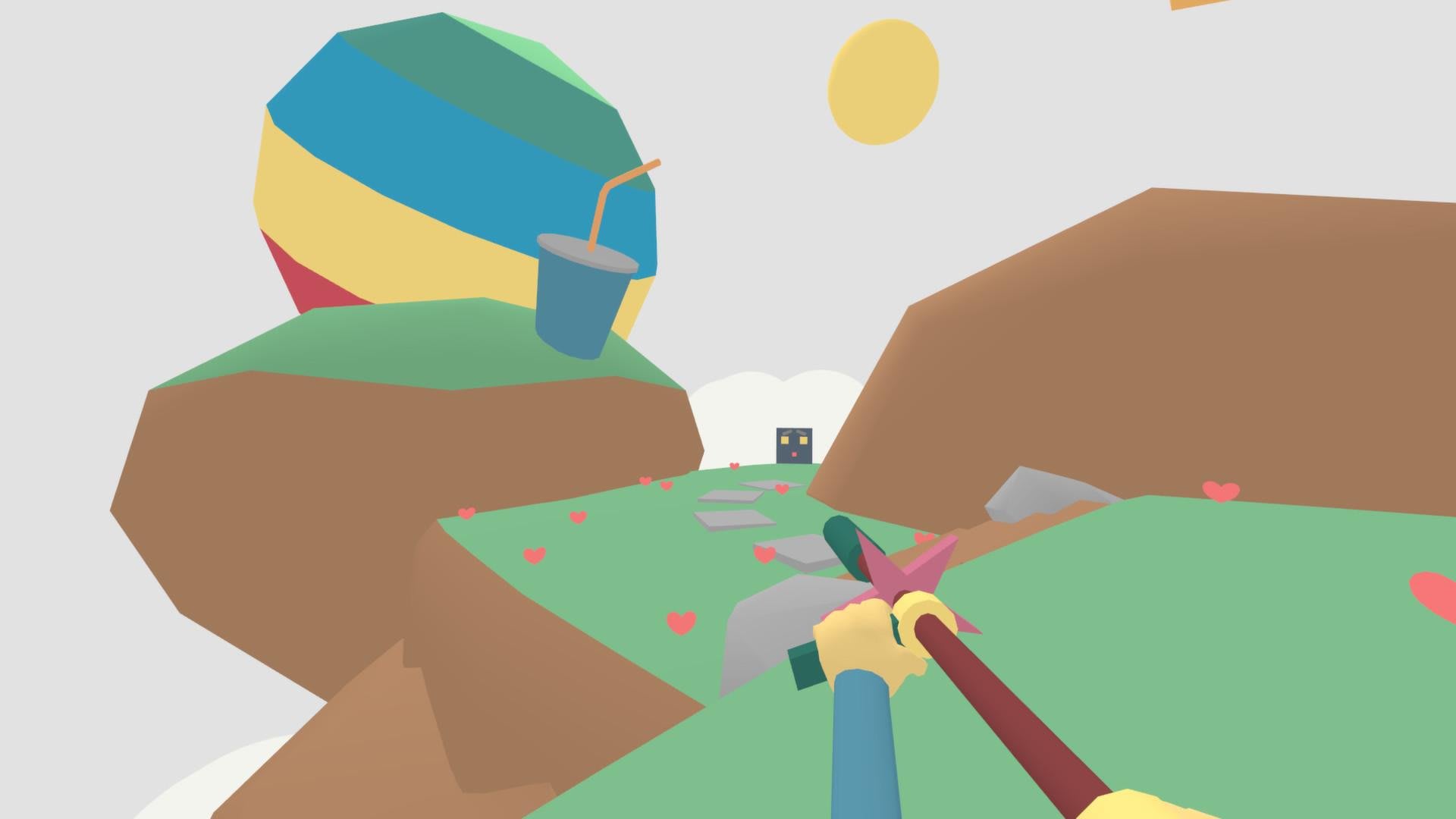
Lovely Planet is a cute yet addictive shooter
© QuickTequila
Take Arvind Raja Yadav, who is the director, programmer and game designer at Pyrodactyl Games. Arvind took the world by storm with Unrest, an RPG set in ancient Indian times with a focus on everyday characters like the peasant Tanya, former priest Bali and heir-to-the-throne-turned-urchin Asha. The Kickstarter to crowd-fund Unrest's development began in 2013 with a goal of $3,000 within one month. It instead amassed $36,251 in that time.
Arvind's interest in game development began at an early but impressionable age. “Ever since I made a small game for my class 10th C++ project, I've always wanted to make games. During college, I joined a few hobbyist teams from across the world to do some remote programming on Half-Life 2 mods. This led me into the world of game development, as I started my own indie game developer enterprise, Pyrodactyl Games, in college itself.”
Even without the backing of a major publisher, Pyrodactyl meticulously laid out Unrest's development. “When you're developing games using pledges from your fans, you need to be extra careful and make sure you utilise every bit of it. While our Kickstarter was very successful, it was a drop in the bucket compared to usual game budgets, but we managed to finish the game because we had a plan for it, even before we began the Kickstarter,” said Arvind.
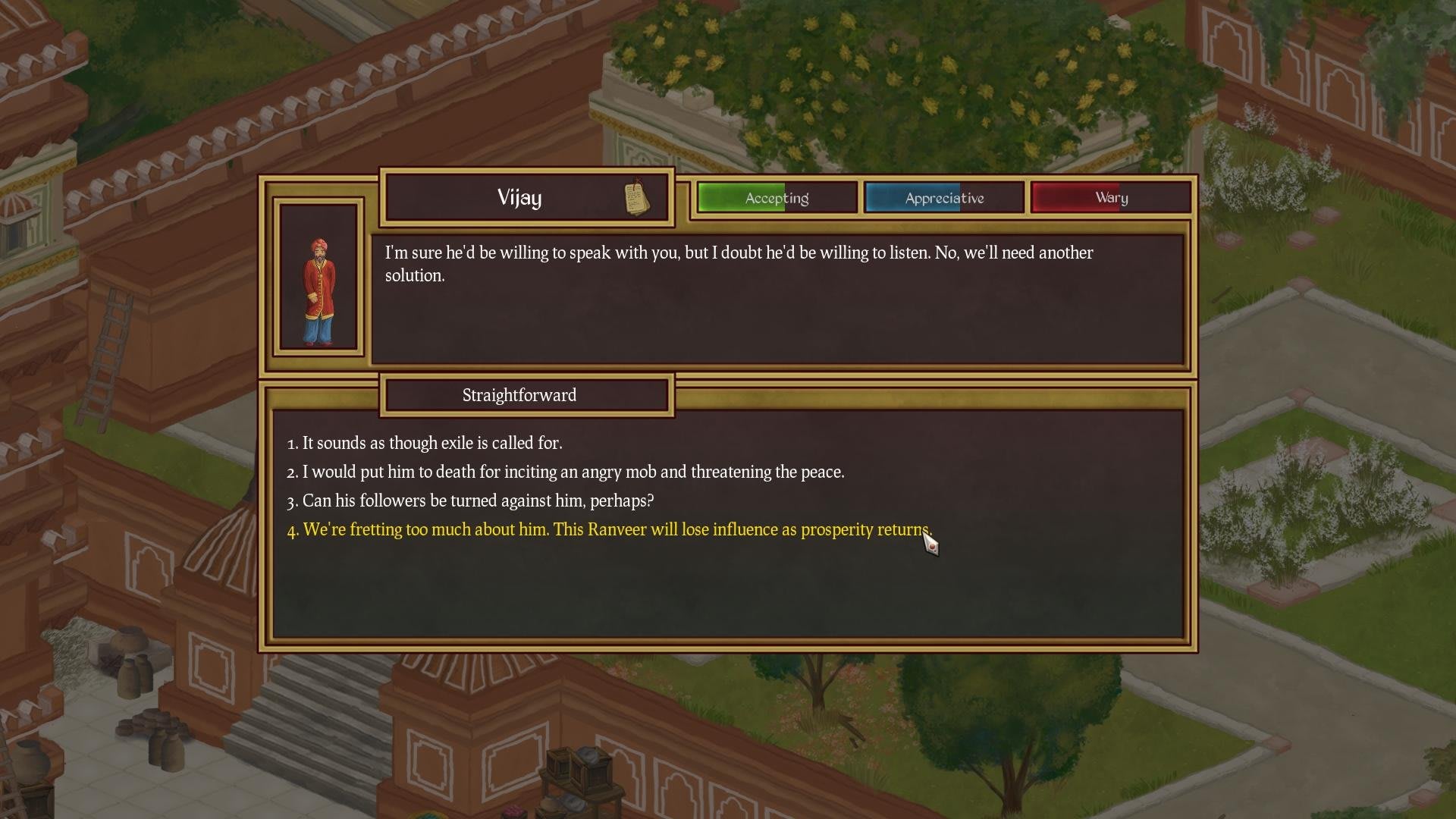
Explore ancient India like never before in Unrest.
© Pyrodactyl Studios
Pyrodactyl has been fairly busy since then. Before Unrest, it released the RPG brawler Will Fight For Food: Super Actual Sellout: Game of the Hour in 2015. More recently, the studio has released Good Robot, a rogue-like shoot 'em up where the player explores a procedurally generated city and fights swarms of robots.
Even with such a wide range of games and ideas, Arvind's philosophy remains fairly grounded. “I try to make games from things that inspire me, and the kind of games I want to play. I don't restrict myself to a genre or aesthetic - it's a matter of what kind of game I would love to play.”
It is one thing to have a passion for games and quite another to transform that into a career. Take Zainuddin Fahad, for example. He is the co-founder of Ogre Head Studio which recently released Asura, a top-down hack and slash game with a demonic anti-hero. Zainuddin has been gaming since childhood and he would often use his father's PC to immerse himself in the early '90s classic titles.
“It was only a matter of time that I aspired to turn gaming into my profession. I wanted to be a part of an industry which I loved very much and was passionate about. Hence, I dropped out of my management studies to become an artist. I got my first gig in the industry when I was 19 and it took off from there,” he explains.
Setting up Ogre Head Studio was no small task, however. Zainuddin recalled how his creative hunger in the industry was not being satisfied. “Most of the game companies here (in India) provided services based on a sweat shop mentality. I envisioned a game company to be very different. I wanted to start a studio which would make original games (IP) or products which we thought were epic.”
“We wanted to it represent us and a bit of our culture. We wanted complete creative and business freedom. I called my friend Neeraj and pitched the idea to start an independent games company. We quit our jobs the very next day and found Ogre Head Studio in the hopes to bring a change in the Indian games industry and develop games which were hack, slash and epic!”
The idea of controlling a demon fits well with Ogre Head's vision of a rogue-like. “Rogue-likes have permadeath so every time you die, you will start with a new skill tree. We then came up with the idea to make the protagonist a demon. Because, when demons die they don't stay dead, they reincarnate. Hence, Asura was born.”
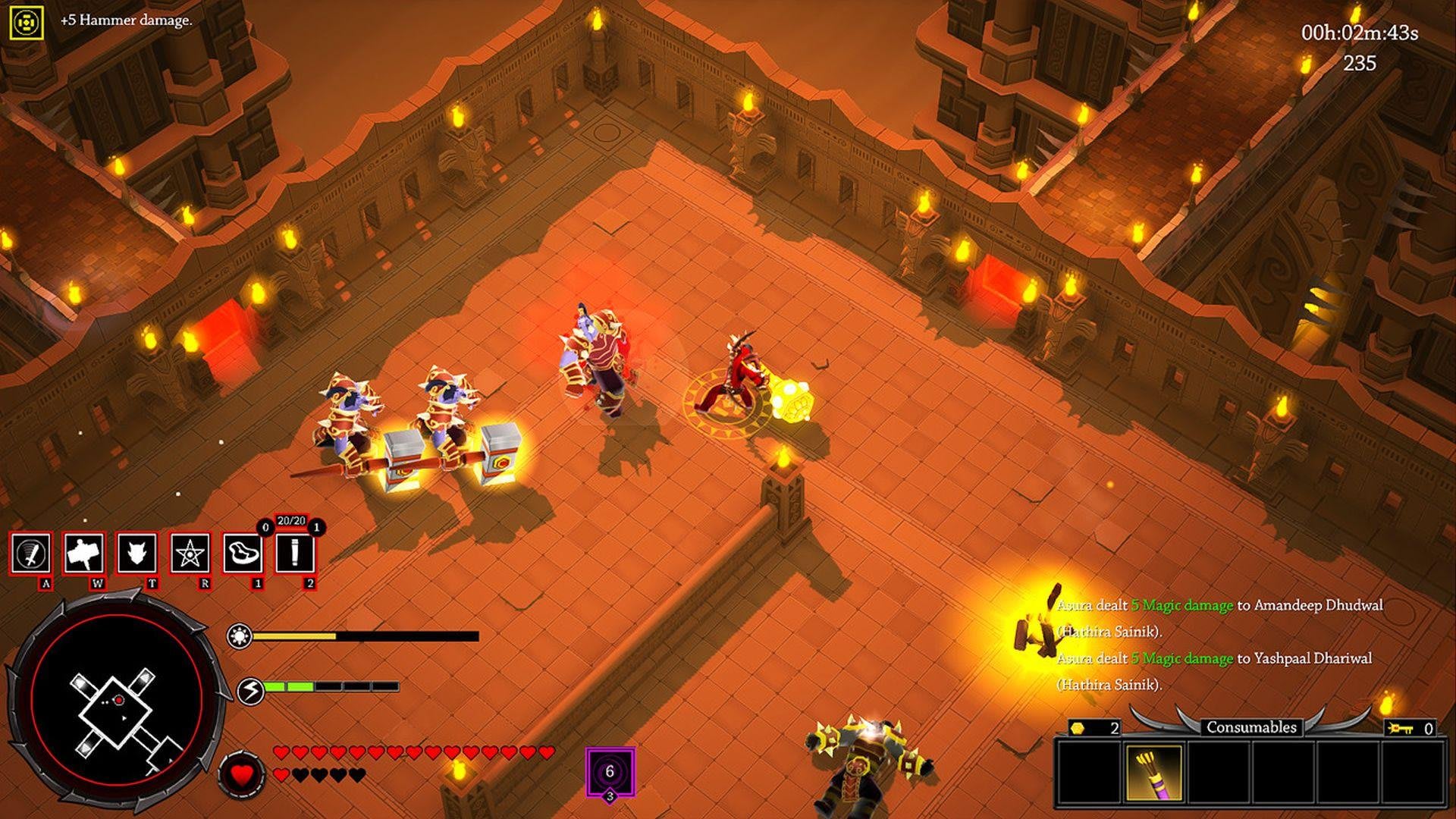
Rogue-like hack and slash Asura stars a demon.
© Ogre Head Studios
An important thing to note is that even while existing somewhat opposed to your average Indian development studio, Ogre Head Studio's Asura still retained its overall Indian-ness. Even with mechanics like permadeath, which is common in Western and Japanese rogue-like, Asura's aesthetic was meant to represent India. Besides, the world already had enough of fantasy tropes such as orcs, elves and trolls.
“It is time we added a bit of our own mythos into the mix,” says Zainuddin. “The problem in our opinion is that Indian mythology has been adopted in a not-so-appealing fashion in the past. You cannot literally take mythology from a history book and shove it into a piece of art or entertainment. Instead, what we did - or what we do - is use it as an inspiration to create our own epic world of Rakshasa, Deva and other amazing races.”
Not every Indian developer has to present their vision in an inherently Indian package though. Shailesh Prabhu works as a game designer and creative director at Cape Copenhagen. He founded Yellow Monkey Studios which created Socioball, One More Pass, HUEBRIX and Sky Sutra. Despite some of Sky Sutra's Indian leanings, Shailesh thinks on a more global scale when it comes to game development.
When asked about his philosophy for game design, especially given how incredibly accessible his games can be, Shailesh said, “I have never been a big believer in the local market in India. We do not have a market that cares about games and definitely not about the kind of games I want to make. That is why I wanted to focus on the global market and for that, I wanted to try to reach as many people as possible. All of our games are accessible for a general audience, be it HUEBRIX, Socioball or Sky Sutra.”
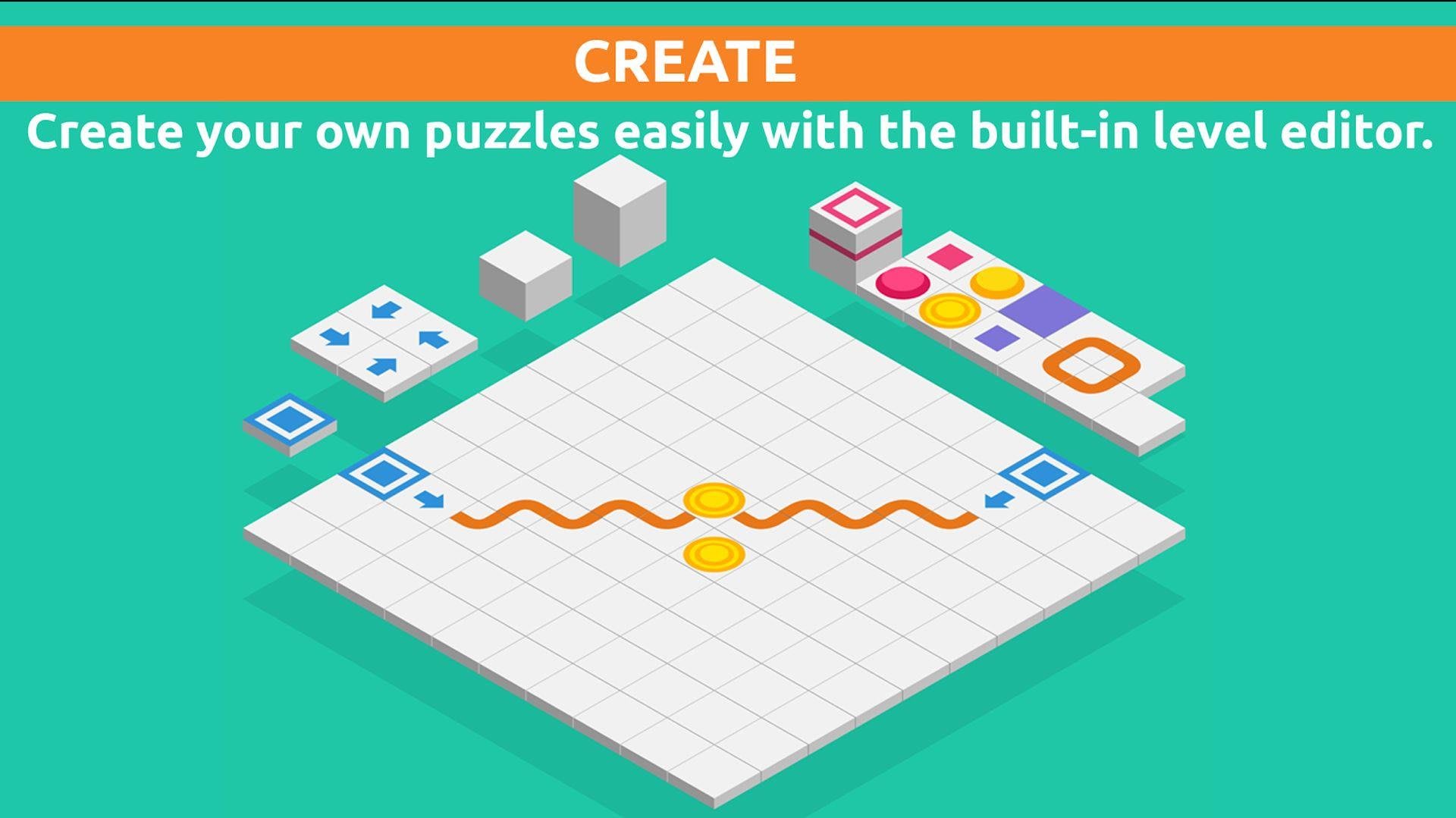
Tough puzzles are just the beginning in Socioball
© Yellow Monkey Studios
Currently based in Denmark, Shailesh says that it was games which, “prompted me to get into game development. I think the kid in me didn't realise people were paid to make games until when I saw the credits roll in The Day of the Tentacle and that was when I was fascinated with game development.” Shailesh would tirelessly work at it and eventually found himself making games.
However, he is currently a “bit” disillusioned by the development scene in India. It probably does not help that for concepts like Socioball to exist on mobiles, there are dozens if not hundreds of card games, gambling titles and the aforementioned Bollywood titles.
“Raising money based on speculation seems to be the predominant strategy and that is hurting the ecosystem in ways that people do not see, or choose to ignore. I know around 10 people in all of India whose work I find myself inquisitive about. That to me is disheartening considering we have so many developers in India. I wish more people would be making games that aren't distractions for convoluted 'monetization loops'.”
Obviously, the industry craves new ideas but how difficult is it for someone in India to pursue a career in game development? What are some of the obstacles that still exist?
Zainuddin notes that even with all the progress that game development in India has made, it is still in a very nascent stage. “The game industry over here is riddled with sub-par cricket and Bollywood games. It seems that no one cares about design except for the business side of things. We as an industry need to take more risks, be bold and let our passion lead the way. We need to have original IPs in order to truly bring a change in the industry and that is exactly what we are trying to do. We need to be artists and designers instead of just being a slave and providing services to the western countries.”
Arvin is optimistic about ideas continuing to pour forth in the coming years. “I think there will be more and more independent game studios with creative concepts and their own ideas as time goes on. Studios like Oleomingus, Ogre Head Studio and many others are making fantastic games, and I don't see why it cannot continue.”
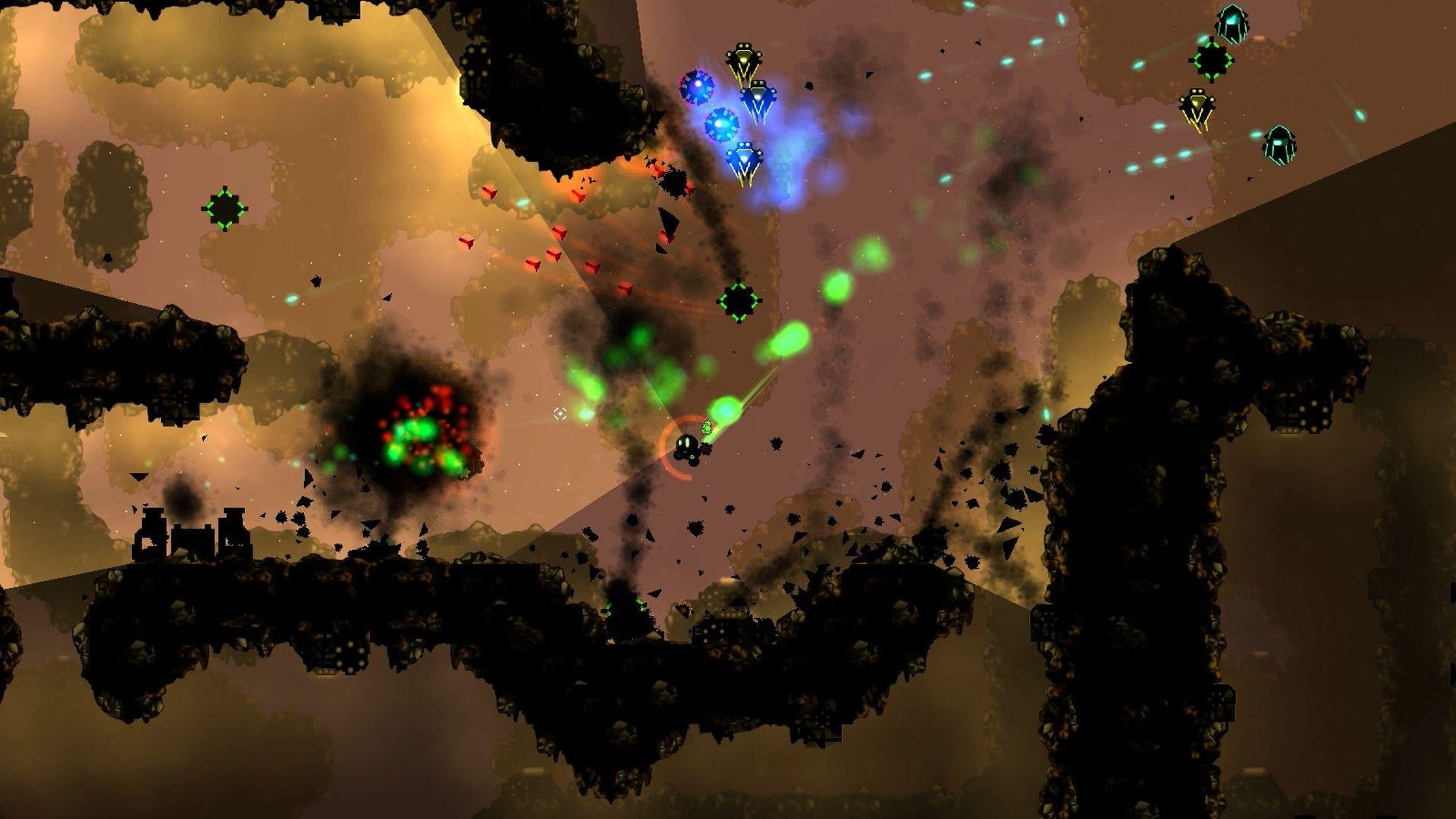
Pyrodactyl's Good Robot is a smart shoot 'em up
© Pyrodactyl
However, Shailesh believes one's opportunities can exist beyond India as well. “I think despite the obstacles in India, the industry is fairly global and anyone has a decent chance of breaking through, even though it is difficult.”
At the end of the day, passion is still a major driving force. If you do not love what you do, regardless of the profession, then you are not going to last very long. This seems doubly so in games development, an industry which can demand long hours away from your family and friends, crunch without returns and endless bug-testing.
For potential new developers though, Zainuddin probably puts it best, “My advice to anyone joining the game development scene is to ask a simple question: 'Do I love playing games?' If it’s ‘Yes’, then 99 percent of the problem is solved. Do what you love, be honest about it, be kind to others and let your passion be the driving force. I am sure you will end up being very happy!”
