
Elena Rybakina reveals how she built her WTA Finals-winning form
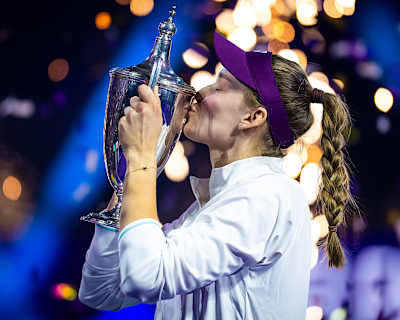
Elena Rybakina has just won the WTA Finals in Riyadh
© AFP via Getty Images

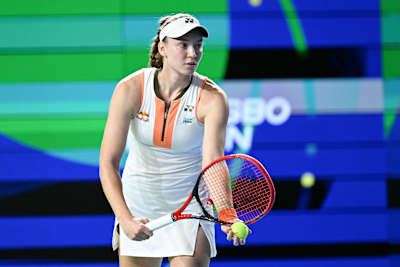
Your groundstrokes are looking incredibly powerful at the moment. Is this something you consciously focus on in practice?
I always had the gift of hitting fast and powerful. That’s my nature on court. We worked on some patterns with my team and it worked out pretty well.
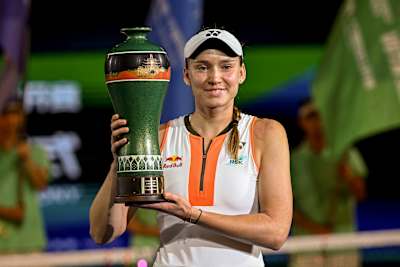
Rybakina won the recent Ningbo Open in China
© AFP via Getty Images
When you go into a big tournaments do you set specific goals, like quarters, semi-finals or a title run?
I don’t set goals like “I want to go through to the semi-finals”. Every tournament I enter, I want to win - that’s always the main goal. But at a Grand Slam, it’s a long event with many matches, so you need routines. At the same time, you can’t be in a tunnel for two full weeks. If I have a chance to do small things off court to switch my mind off, I try to do that. That balance really helps.
After winning matches you used to spend lots of time signing autographs, taking selfies, talking with fans. Why's that so important to you?
I really appreciate the support. When you play far from home, it means a lot when people cheer for you. So if I have time, I try to give something back - a picture, a smile, a moment. Of course it depends on the schedule, but I always appreciate the fans and try to interact when I can.
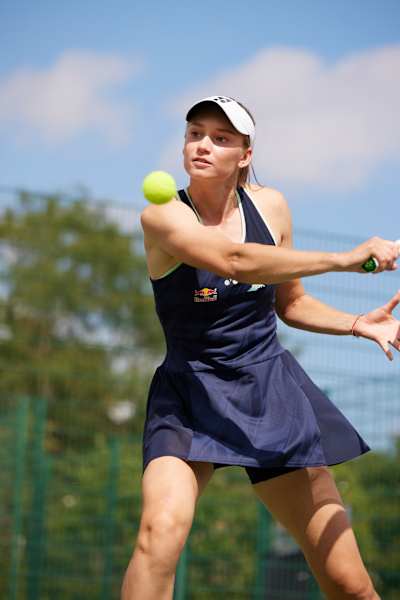
"Focus becomes more natural with experience," says Rybakina
© Jake Turney/Red Bull Content Pool
On court you look incredibly calm and focused between points. Do you actually practise that state of mind?
I think it comes from playing a lot of matches. Focus becomes more natural with experience. In practice it’s harder to simulate the same intensity, so the matches teach you the most. Sometimes I listen to my box if something isn’t going the way I want, but in general it’s about staying locked in because a match can change off one or two points. That’s my approach every time.
Besides winning, what gives you confidence - physically or mentally?
Physically, confidence comes from the work I do with my fitness coach and physio. I’m tall, so I can lose strength and coordination quickly if I don’t stay on top of it. Knowing I’ve done that work gives me belief. For my tennis, confidence comes from playing a lot of matches. Mentally, switching off is important too - spending time with family, friends, or even just being alone sometimes. You’re surrounded by people non-stop on tour, so you need balance.
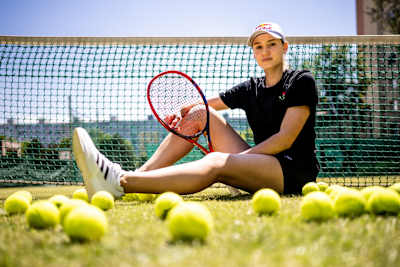
Rybakina believes it's important to be able switch off mentally
© Mihai Stetcu/Red Bull Content Pool
Speaking of being alone - is it easy or difficult for you when you’re on the road?
Before, I thought it would be difficult to be alone. But when I was younger, I used to travel without a coach or my parents, so I was alone a lot. Then in the last few years, my team grew and I was never alone anymore. I don’t think anyone enjoys being alone for very long, but sometimes you need it - a day or a few hours. That’s totally fine for me.
Do you still have your dogs at home?
Yes, we have two dogs - actually both were gifts for my mom, so technically they’re my parents’ dogs. I don’t see them often, so I miss them a lot. But the first thing I do when I’m home is spend time with them.

Rybakina takes a breather during training in Dubai
© Mihai Stetcu/Red Bull Content Pool
The differences up there are really small. It’s important to stay healthy and play a full schedule


You were ranked as high as number three in the world. What’s missing at the moment to get back to that very top?
The differences up there are really small. It’s important to stay healthy and play a full schedule, because if you miss events, there are always girls close behind who can catch you. This year was a bit different for me - a different preseason, some changes - and it took time to find my game again. Last year I stopped for almost two months, no physical work, nothing. Coming back takes time.
Now I think we’re moving in the right direction. When you’re playing tournaments nonstop, you can’t really build - you need matches for confidence. At some events this year I lost early, so I didn’t get that rhythm. Now I’ve played more, I feel physically OK - maybe not 100 percent, but good. Sometimes you want to jump ahead faster, but we’re doing everything we can. The results are slowly coming and the goal is to finish the season strong and be even better next year.