
Running
Could you outrun Carlos Sainz and David Coulthard?
One certainty of Wings for Life World Run on May 7 – the Catcher Cars get everyone in the end.
Part of this story




At 11am UTC on May 7, Wings for Life World Runners across the world – at each event location and digitally via the app – will be setting off on their mission to run for those who can't, raising funds and awareness for spinal cord injury research.
Thirty minutes later, the Catcher Cars begin the chase. The cars will speed up at steady increments until they have caught up with every single competitor and knocked them out of the race.


These vehicles are what make Wings for Life World Run unique, so it’s only right to sit some special faces behind the wheel.
As over 100,000 people prepare for the challenge ahead, this is what you need to know about the Catcher Cars and their drivers:

Reini Sampl will drive a Catcher Car in Austria
© Philip Platzer for Wings for Life World Run

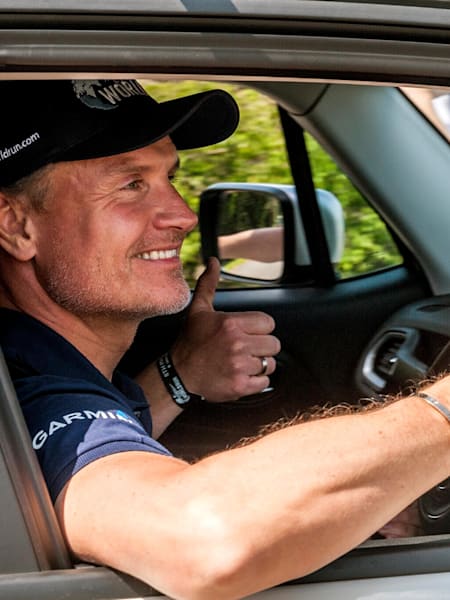
David Coulthard driving a Catcher Car in Cambridge
© Olaf Pignataro for Wings for Life World Run

Participants cheer the catcher car in Milan
© Damiano Levati for Wings for Life World Run

Participants compete in Croatia in 2016
© Tomislav Moze for Wings for Life World Run
The drivers
Local heroes and international stars will be taking the controls at every event.
Here are three of the stars in the cars field this year:
Henrik Kristoffersen(driving in Stavanger, Norway) AKA the Wild Child took the slalom bronze in Sochi, making him the youngest male medallist in Olympic alpine skiing history and Norway’s most successful slalom racer of all time. Last year, he became the only skier in 50 years of FIS World Cup history to win all the classic slalom races back to back: Adelboden, Wengen, Kitzbühel and Schladming.
There are few things Reini Sampl (driving in Vienna, Austria) can’t do. After making his name as a skier, an accident in 1996 left Sampl paralysed. Far from stopping his sporting career, he then became a successful wheelchair basketball player, hand-biker and mono-skier and has competed in three Paralympic Games. He’s now turned his hand to rally driving as he manages his own fashion brand on the side.

2 min
Wings for Life 2017 World Run teaser
Wings for Life 2017 World Run teaser
The pursuit
Competitors get a 30-minute head start while the Catcher Cars lie in wait.
At 11:30am UTC, the cars start off at a steady 15kph (9.32mph). Even at that speed, it’s no small task keeping clear of them and some amateur athletes get caught straightaway. The pros, however, take this chance to clock in as many miles as they can between themselves and the vehicles.
An hour in and the cars speed up to 16kph, and then to 17kph an hour after that until at 14:30 UTC when they are travelling at 20kph. By 16:30, the chase is really on as they hit 35kph.
The rush
The rush of the chase can push runners to extraordinary feats. Norwegian runner Elise Molvik had this to say after smashing her personal best to win the first women’s event:
“The Catcher Car makes it really exciting and gives you that extra motivation. When you see it, you get the feeling of ‘run like you stole something’ and you give it everything you have."

2 min
All the action from Wings for Life World Run 2016
Watch the action unfold of the 2016 Wings for Life World Run
The hunt
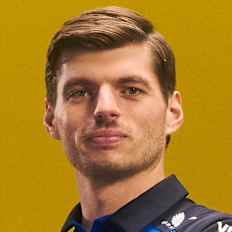
For some of our speed demons, patience doesn’t come easy. F1 starlets Max Verstappen and Carlos Sainz had to train on motorised lawnmowers with a maximum speed of 15kph to calm their need for speed.
Join the thousands of runners at the Wings for Life World Run 2017 on May 7 and take part in a global race worlds apart from any other.
Step up, nominate friends, challenge family members and run for those who can’t.
For more information, including how to take part, visit WingsForLifeWorldRun.com.
Part of this story


