





Gaming
esports
The Lore of Legends, explained
League is a competitive game first and foremost, but one with an enormous world filled with drama.
Kiwi gamers have been competing in the official 1v1 League of Legends tournament, Red Bull Solo Q, that is continuing the search for the world's best duellist. Head along to the live finals in Auckland on Saturday 18 June, 2-7pm at Studio 230, 230 Ponsonby road or watch live on Red Bull NZ Twitch (Free entry, food and drinks available).
The way in which League of Legends is bound to lore is a problem that Riot itself has been wrestling with for some time. Back in 2014, the rule book was torn up, as League’s background was revised to allow Riot more creative freedom in developing its world and stories within. World-building within the game’s universe is now champion-centric, but the way in which the game now slots into its broad, and sometimes spotty lore is less clear.
In this series we’ll be exploring the game’s knotted context and how its individual pieces slot into place. But before we get to the nitty gritty of knowing Zaun from Demacia, it’s important to know the basics.
So, what is the League of Legends?
The Basics of the Original Lore
The world in which League of Legends takes place is called Runeterra. This place from which the vast majority of champions hail, with the exception of those originating in the Void, or much later on, from space (hello Aurelion Sol). The supercontinent which contains most of the nations and city states in Runeterra is called Valoran and is comprised of two great land masses connected by an artificial bridge.
Runeterra is host to a magical artifacts known (rather unsurprisingly) as Runes. Some have surmised that these were involved in the creation of the world itself, but they are be better known for the destruction they can wreak. Before the formation of the League of Legends, massive conflicts known as the ‘Rune Wars’ were fought between various factions across Valoran, causing widespread destruction, and in some cases, reshaping the landscape of whole nations.
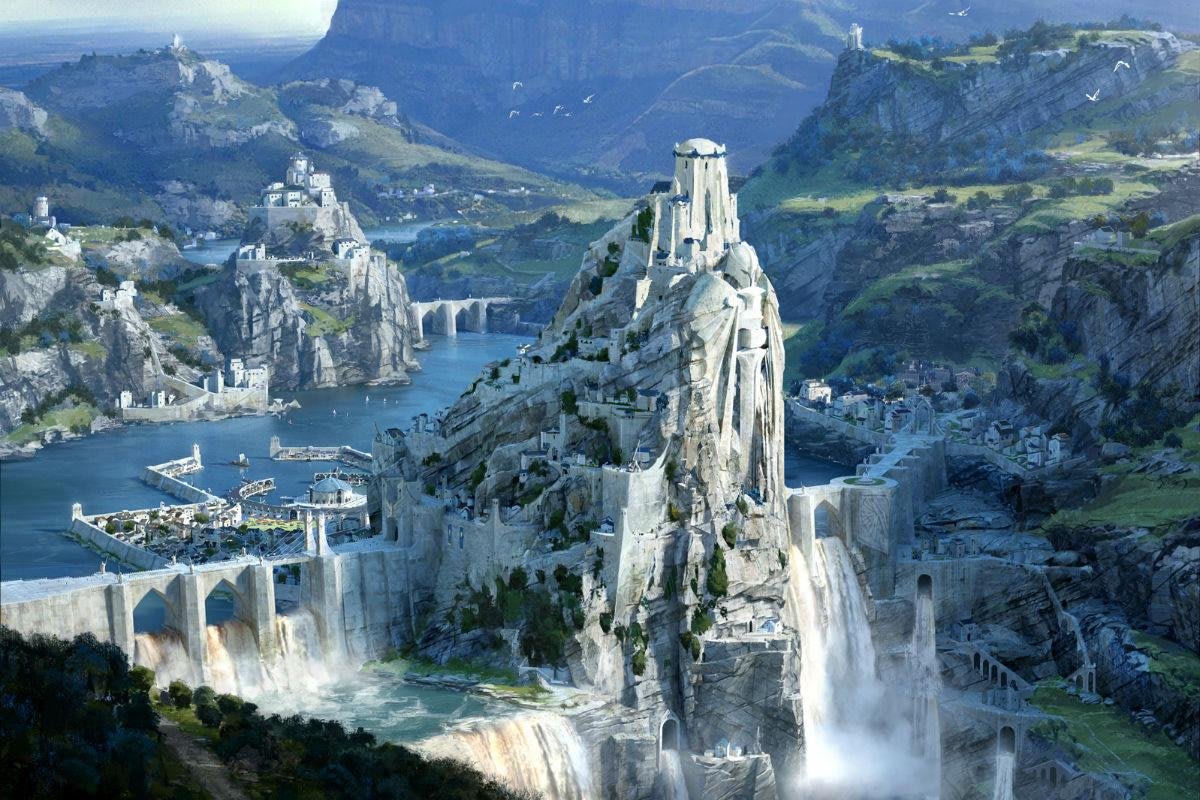
Demacia is one of Runeterra’s great nations
© Riot Games
It’s during this time that the League of Legends, set up within the Institute of War, becomes a necessity. In order to curtail the destruction throughout Runeterra, a system is devised which regulates conflicts between different factions. The League serves as a proxy to conflict elsewhere in the land, allowing grudges to be settled and disputes resolved without resorting to the volatile magics of Runes. All forty of the game’s original champions, and subsequent additions, joined to the League to shape the world through these organised skirmishes.
And so the Fields of Justice are created, a series of arenas that comprise the game’s different modes and maps. The principle of these is Summoner’s Rift, but both Howling Abyss and Crystal Scar serve the same function.
Speaking of Summoners
Which brings us to the most controversial aspect of the game’s original lore: summoners. These powerful figures earn their name for summoning forth and controlling champions in battle within the Fields of Justice, using powerful spells to assist their chosen avatar. If you hadn’t already guessed, players = summoners, summoners = players.
The idea was used by Riot to place its audience directly within the story of its world, and give players a part in the continuing fiction. Summoners directly influence the outcomes on the Fields of Justice and therefore the political and military landscape of Runeterra.
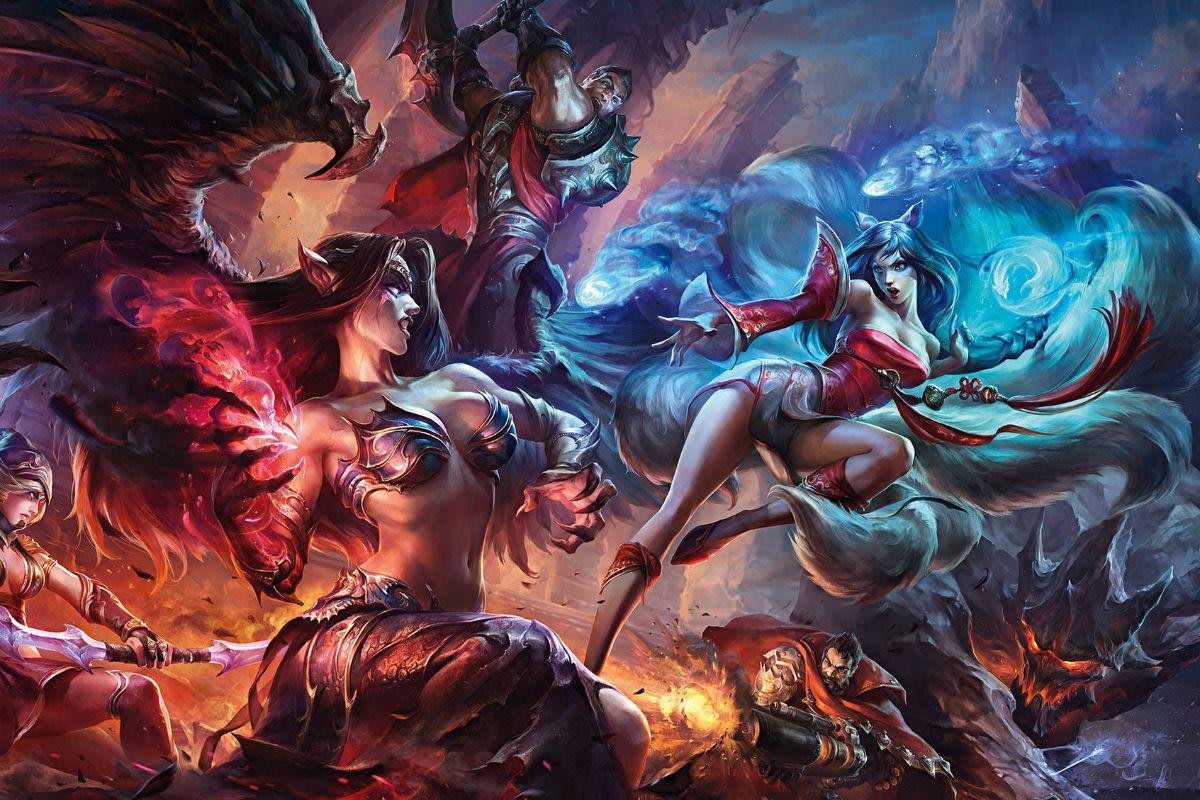
Champions ain’t summoners, and that’s a problem
© Riot Games
But in 2014, things become a little more complicated in the world of Runeterra. Riot announced a shift in the game’s lore after concluding that the League of Legends itself was hampering its narrative breadth, and that the notion of summoners as controlling figures who puppeteered champions actually diminished a player’s relationship to the action, rather than enhancing it.
A lengthy blog post from the Riot narrative team detailed the problem of League’s old lore:
“After a while, these early choices began to create unexpected problems. Every new champion needed a reason to join and remain in the League, and as their number grew, the net result was that over time the world started to feel, well, small, and eventually less interesting. The institutions we’d designed fostered creative stagnation, limiting the ways that champions, factions and Runeterra itself could grow and change. Furthermore, the very idea of all-powerful Summoners made Champions little more than puppets manipulated by godlike powers. The background we’d created to explain in-game action was ultimately restricting the potential narrative development of the game’s defining characters.”
This result? The world and story which had previously been anchored heavily to the game, waved goodbye and began to walk its own path.
“Essentially, it means that the game and story aren’t one-to-one copies of each other,” Riot explains. “League as a game is about creating awesome gameplay, while League as a story is about creating deep, vibrant characters and factions inhabiting an expansive world. We don’t want to limit story because of gameplay, just like we wouldn’t limit gameplay because of story – we want both of them (and all the other elements of League) to have the freedom to be as great as they possibly can be.”
The role of summoners in the world of Runeterra was retconned. No longer did they call up champions and direct them in battle, but rather they used their powerful magics for creating structures and summoning minions on the Fields of Justice. Players direct figures in the game’s lore no longer.
The nature of the League of Legends itself was also transformed by narrative rework. The Institute of War, the site come organisation which hosted the League of Legends was wiped from the world entirely. The League of Legends was now the name of the organisation in totality, but that organisation was also diminished in significance.
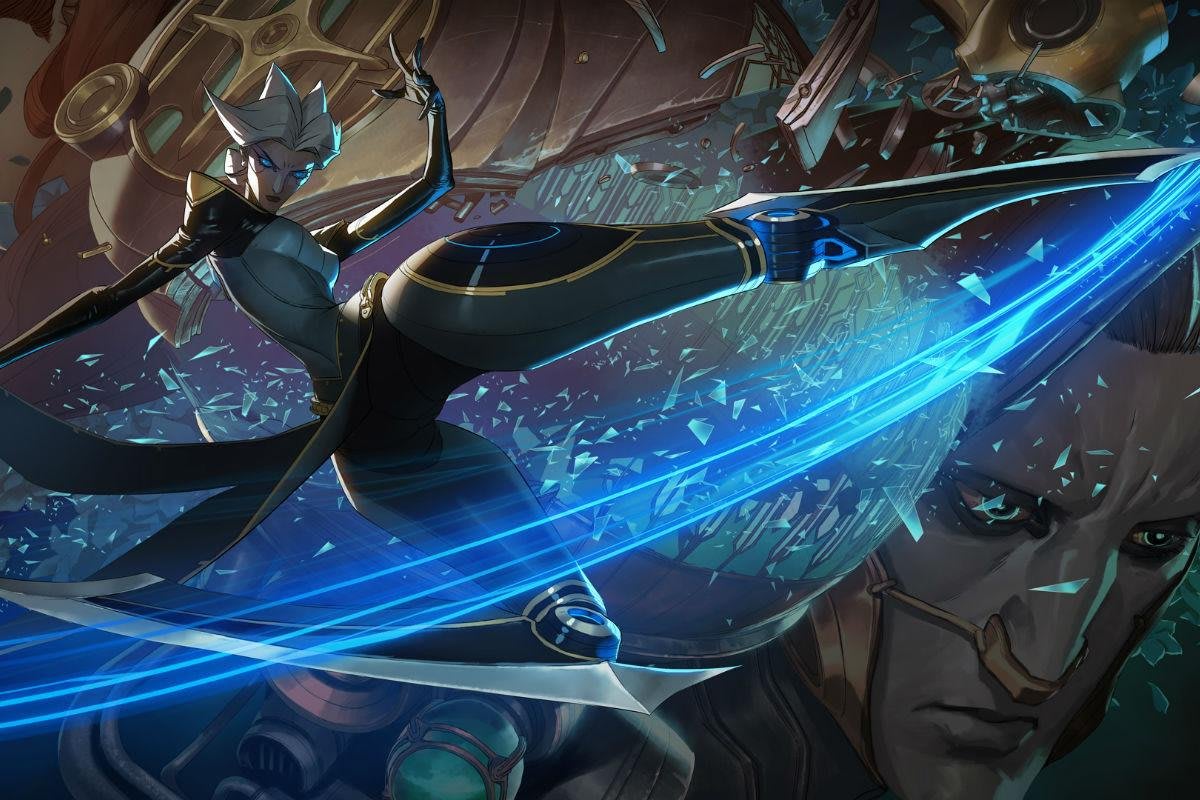
Camille’s comic centres on Piltover
© Riot Games
