
Cycling
Why time bonuses matter at the Tour de France
Bonus seconds can have a major impact on the GC at a Grand Tour, sometimes deciding the overall win. Over three gruelling weeks of racing, here's how a few seconds can make all the difference.

At races like the Tour de France and Vuelta a España, bonus seconds are awarded to the first three riders across the finish line on most road stages. The winner receives 10 seconds, second place earns six, and third takes four. This guide explains how time bonuses affect bike races, why they matter, and how they make racing even more exciting.
01
Every position matters in Grand Tour racing
The Yellow Jersey is the ultimate prize at the Tour de France, but finishing on the final podium, inside the top five, the top 10, or even the top 20 brings precious UCI points, ever-increasing prize money, and a level of prestige that remains with a rider throughout their career.
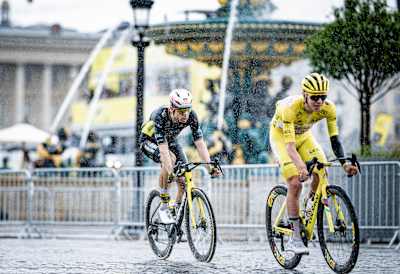
Tadej Pogačar wearing the yellow jersey in 2025
© Kristof Ramon/Red Bull Content Pool
With thousands of kilometres to ride, dozens of cols to crest, and 21 stages to negotiate safely, anything can happen. But, sometimes, these races and the battles within them come down to just a handful of seconds.

02
What are time bonuses?
Excluding time trials, every stage of the Tour de France will include a 10, six and four second time bonus for the first three riders across the line. This can benefit riders who go on the offensive in the finale of stages in search of victory - rewarding them with more time on their rivals even if the actual margin of victory is small.
10 seconds may not sound like much on paper, but it can be the difference between wearing the leader’s jersey or desperately chasing it, or finishing on the podium instead of off it.
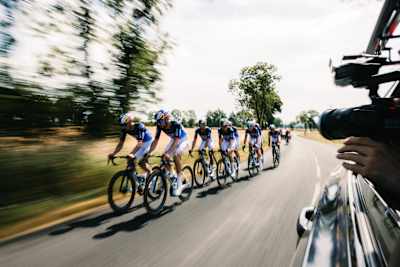
Bonuses reward riders who can go full throttle in stage finales
© Maximilian Fries/Red Bull Content Pool
Of course, Grand Tours are usually decided by minutes rather than seconds, but in a sport with as many variables as pro cycling, every second counts. Stack up enough 10, six or four second bonuses and you can build up a big enough margin over your rivals to crack them and secure victory.
Famously, the 1989 edition of the Tour de France – which took place in an era before time bonuses – was won by the American Greg LeMond by just eight seconds over Laurent Fignon. At the 2024 Tour de France Femmes Avec Zwift, Kasia Niewiadoma prevailed by a mere four seconds over Demi Vollering – the tightest winning margin in the race's history.
03
Why do time bonuses matter?
Time bonuses were introduced to encourage aggressive racing. With the popularisation of power meters and the methodically paced mountain stages of the Team Sky era, GC racing was criticised as becoming boring and sterile.
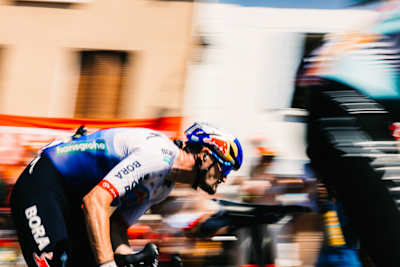
Explosiveness is now key at the end of hard mountain stages
© Maximilian Fries / Red Bull Content Pool
But, in the current era, time bonuses have reshaped the way races play out. GC contenders now have to work on their explosiveness to ensure they can contest sprints at the end of hard mountain stages, when time bonuses are on offer. It isn’t enough anymore to just be able to climb faster than anybody else, you need to be able to sprint too.
The psychological impact is just as important as the numerical one, as every bonus sprint creates another tactical decision. Should a GC contender burn matches to sprint and contest the finish in an effort to find a few seconds? Should teammates sacrifice themselves to deliver their leader into position or even poach the bonus seconds from a rival to preserve their leader’s gap?
Those decisions stack up day by day and ripple throughout an entire Grand Tour.
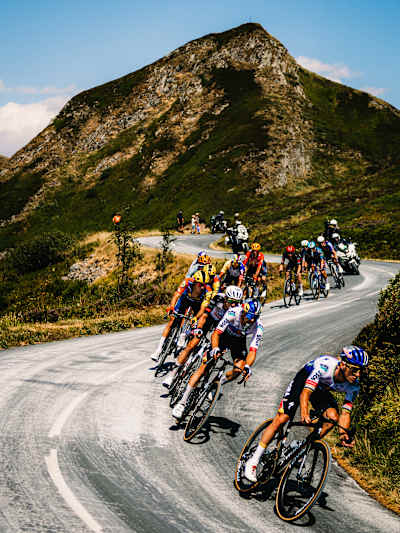
Bonuses create more excitement for racing fans
© Maximilian Fries/Red Bull Content Pool
The rewards don't just affect the results sheet, either - they shape the race itself. A reduced sprint on a punchy uphill finish suddenly becomes a GC showdown, a late attack isn't just about the stage win anymore; it's about stealing precious seconds from rivals. Even flat stages can force GC teams into action if there's a realistic chance to contest the finish.
Every bonus opportunity creates another tactical puzzle. Time bonuses reward aggressive racing more than defensive. For bike racing fans, this means that we’re treated to more exciting racing more often.


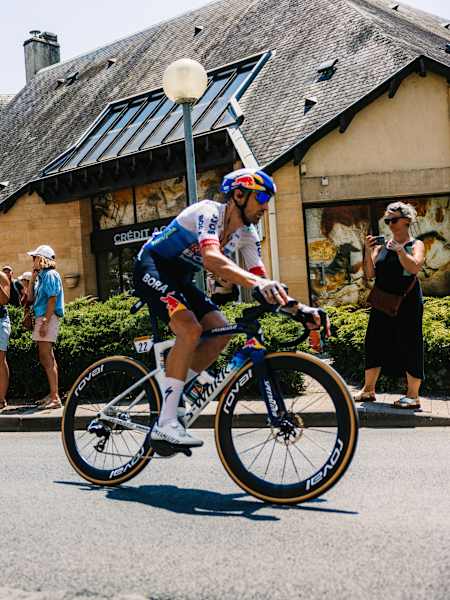
Few riders understand this better than Red Bull - BORA - hansgrohe’s Slovenian veteran Primož Roglič, whose winning margin of 24 seconds over the Ecuadorian Richard Carapaz at the 2020 Vuelta a España was made up entirely of bonus seconds.
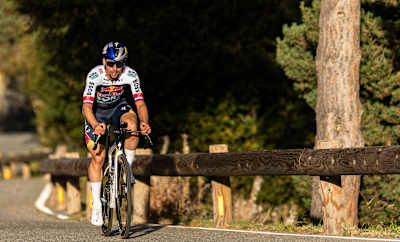
Primož Roglič knows all about the value of bonuses
© Dani Sanchez/Red Bull Content Pool
Over three exhausting weeks, victory isn’t always taken by the rider who delivers the single biggest attack: sometimes it's won by the rider who never stopped chasing the small advantages.
About the author