

Surfing
Surfing
Best Surf Spots in Mexico: Ultimate Guide to Top Waves
Chase epic waves in Mexico! From Puerto Escondido’s legendary barrels to Sayulita’s chill surf, discover the best spots, top seasons, and pro tips for your next surf adventure.
Mexico’s waves are a surfer’s dream. With its year-round surf, warm water, and coastline stretching across the Pacific and the Gulf of Mexico, this country offers a little bit of everything for surfers. You’ll find mellow longboard waves and thundering barrels that test even the most experienced riders.
Whether you're looking for a beginner-friendly break, a luxury surf retreat, or an off-the-grid adventure, Mexico delivers. Plus, it’s more affordable compared to other top global surf destinations, making it an excellent choice for wave chasers on any budget. That’s why it’s one of the destinations featured in Beyond the Lines, one of the best surf movies chronicling Red Bull surfer Kanoa Igarashi’s quest to win a World Surf League Championship.
If you want to follow in Igarashi’s path and explore the best surf spots in Mexico, you’re in the right place. Here’s your ultimate Mexico surfing guide, complete with pro tips and hidden gems.
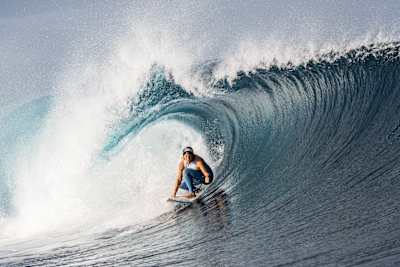
Izzy Gomez surfing
© Red Bull
01
9 best surf spots in Mexico
1. Puerto Escondido: The Mexican Pipeline
Puerto Escondido in Oaxaca is the crown jewel of Mexican surf. Nicknamed the Mexican Pipeline, this legendary break at Zicatela Beach is home to some of the heaviest beach break barrels in the world. With waves regularly reaching 20-plus feet, it’s a playground for only the most advanced surfers. You can even experience swells that last longer than 20 seconds.
For those who aren’t quite ready for Zicatela’s wrath, La Punta, a left-hand point break just next door, offers a more forgiving ride.
- Best for: Advanced and pro surfers
- When to go: April to September for consistent waves and June to August for peak season
- Wave type: Heavy, fast, barreling beach break
2. Sayulita: The perfect beach for beginners
If Puerto Escondido is for the fearless, Sayulita in western Mexico is the opposite — a paradise for beginners and longboarders. This charming surf town in Nayarit boasts a mellow right-hand wave that breaks over a sand-and-rock bottom, making it ideal for first-timers and intermediate surfers. The tides range from waist-high to just over a surfer’s head.
This surfing town is filled with surf schools that offer lessons, rentals, and guidance for those just getting started. This range draws in a moderate crowd, especially in the main spots.
- Best for: Beginners and longboarders
- When to go: Year-round
- Wave type: Mellow left-hand breaks up north and right-handed breaks in the middle, with shift longboard waves
3. Punta Mita: Luxury surfing and hidden gems
Nestled on the Riviera Nayarit in western Mexico, this area is home to exclusive surf resorts, boutique hotels, and less crowded waves. It’s perfect for a high-end surf getaway.
The main draw here is La Lancha, which offers consistent and forgiving right-hand point breaks that are great for beginner and intermediate surfers. Other lesser-known spots like Burros and El Anclote provide a variety of waves, from playful peaks to longboard-friendly rollers.
- Best for: All levels, from beginner to pro
- When to go: Year-round, but summer (April to September) is the peak season
- Wave type: Waist to head high, right-handed surfing waves
4. Barra de la Cruz: A legendary right-hand point break
Barra de la Cruz in southern Mexico has made its mark as one of the best places to go surfing in Mexico. These waves offer long, fast rides that attract pros and locals alike. Because of its popularity, local surf etiquette is key, and early morning sessions offer the best chance to score uncrowded perfection.
Barra de la Cruz’s waves are generally predictable. The best winds tend to arrive in the early mornings or from the East. When conditions are right, you’ll notice incredible swells from the west and southwest.
- Best for: Intermediate to advanced surfers
- When to go: April to November, during the rainy season
- Wave type: Long, right-hand point break
5. Scorpion Bay: One of the world’s longest waves
If long rides and stylish surfing are your thing, Scorpion Bay is a must-visit. Located on the remote Baja California Sur coast, this legendary right-hand point break offers rides that last a few minutes each, with multiple sections allowing endless carves and cutbacks.
The first break is closest to Ponga Beach and the easiest of Scorpion Bay’s four breaks. Each break gradually gets larger with more challenging waves leading up to the fourth one, where surfers can ride over half a mile. However, the second and third breaks are notably the best and most popular, with surfers riding for over three minutes on average on the third break.
- Best for: Beginner to advanced surfers
- When to go: May to October
- Wave type: Super-long right-hand point break
6. Salina Cruz: Uncrowded perfection
Salina Cruz is one of the best-kept secrets in Mexico’s surf scene. This stretch of Oaxaca’s coastline is packed with perfect right-hand point breaks, many of which are only accessible by following locals. Because of this exclusivity, crowds are minimal and the waves remain pristine.
The waves here are powerful and fast, best suited for surfers who enjoy hollow, barreling rides. The warm water and consistent surf make it a true paradise — if you’re willing to make the effort to find it.
- Best for: Intermediate and advanced surfers
- When to go: June to November
- Wave type: Fast, barreling right-hand point breaks
7. Baja California: A surfer’s road trip paradise
Baja California is a dream for surf road trips, offering a mix of beach breaks, point breaks, and reef breaks along its rugged coastline. Across more than 1,800 miles of coastline, there are several notable spots, including:
- K-38: This is a fun, 400-yard punchy right-hand reef break south of Rosarito Beach. Surfers who want to stretch their ride can ride for about 200 yards with up to five-foot waves.
- San Miguel: This right-hand point break with powerful waves is the best in Baja, but that also means it gets crowded.
- Todos Santos: This big-wave mecca is known for its massive, open-ocean swells. Known as one of the gnarliest surf spots in Baja, Todos Santos isn't meant for new surfers.
- Best for: All levels (varied wave types)
- When to go: Year-round
- Wave type: Beach, reef, and point breaks
8. Mazatlán: Underrated surf with great consistency
Often overshadowed by other surf towns, Mazatlán in Sinaloa in western Mexico delivers fun, peaky waves with warm water. You’ll want to use your PTO days to visit Mazatlán; you can also expect minimal crowds during the week and in less busy seasons. Spots like Playa Brujas offer consistent surf, while nearby breaks provide variety for different skill levels. With a more relaxed vibe than Puerto Escondido or Sayulita, Mazatlán is an excellent alternative for surfers seeking uncrowded waves with a city backdrop.
- Best for: Beginner to advanced surfers
- When to go: April to October
- Wave type: Peaky beach breaks
9. La Ticla: A remote surf haven
La Ticla, tucked away along the rugged Pacific coast of Michoacán, offers a unique and remote surf experience. This hidden gem is famed for its powerful, fast, and hollow waves, which break over rocky points and offer plenty of barrels. However, surfers seeking adventure and solitude away from the more popular surf hubs might start to notice that during peak season, it’s a little more crowded than some would like. With its laid-back, local atmosphere, La Ticla provides a genuine taste of surf culture, where the focus is on the waves and the beauty of nature.
- Best for: All levels
- When to go: March to November
- Wave type: Fast, barreling point and reef breaks
02
Dive N' Surf Todos Santos: Big wave surfing in Mexico
When it comes to big-wave surfing, Mexico doesn’t hold back. And nowhere is this more evident than at Dive N' Surf Todos Santos. It’s a one-day, invite-only event that brings together the world’s best big-wave surfers to battle some of the heaviest waves on the planet.
Held off the coast of Baja California, this event takes place at Killers, the infamous deep-water reef break that awakens when massive swells roll in. With waves reaching more than 50 feet high, Killers is a proving ground for fearless surfers willing to paddle into sheer walls of water.
Why does it matter? Dive N' Surf Todos Santos isn’t just a competition; it’s a showcase of Mexico’s untapped big-wave potential. Killers offers some of the biggest waves on the planet. While places like Hawaii’s Peʻahi (Jaws) and Portugal’s Nazaré often steal the spotlight, Todos Santos consistently delivers waves of the same caliber, proving that Mexico is a premier destination for extreme surfing.
If you’re not quite ready to take on 50-foot monsters, watching this event from a boat or a nearby cliffside offers a front-row seat to some of the most awe-inspiring surf performances in the world.
03
Best time to surf in Mexico: Seasonal guide
Mexico’s diverse coastline means there’s great surf year-round, but the best waves depend on the season and region. Here’s what you need to know:
Summer (May–October):
- Best for: Oaxaca, Todos Santos, Baja California, and Central and Southern Mexico
- Wave type: Powerful, more challenging waves
- What to expect: April through September brings in consistent swells from the southwest. Surfers will experience warmer water temperatures, no need for a wetsuit, and larger crowds
- Hurricane season: From June to November, hurricanes in the eastern Pacific generate massive waves that can reach over 30 feet. While tropical storms can disrupt travel plans, they also create epic surf conditions when positioned correctly
Winter (November–April):
- Best for: Baja California and the Northern Coast of Mexico
- Wave type: Smaller, beginner-friendly waves
- What to expect: Winter brings wetsuit season and cooler water temperatures, where beginners can learn techniques or watch pros work the basics
For the best all-around surf experience, aim for spring and fall, when both hemispheres send swell, and the weather is at its most pleasant.
04
Where to stay near Mexico’s best surf spots
Whether you're looking for budget-friendly surf hostels or luxury beachfront resorts, Mexico has plenty of options. Here are some of the best surf accommodations in Mexico:
- Casa de Olas Boutique Hotel: Stay near Puerto Escondido with the hotel offering lessons via a partnership with Surf Travel Friends. Casa de Olas is on the pricier side, but worth it to experience a home-away-from-home, complete with locally-grown food on the menu.
- Selina: Selina offers hotels in multiple areas, including Puerto Escondido and San Miguel de Allende, so surfers can choose the best hotspot for catching waves. Selina Puerto Escondido is located a few steps from Zicatela Beach and offers a coworking space, restaurant, wellness center, and an outdoor pool. Selina San Miguel de Allende is located in the center of the city, so it might be farther from the waves, but it’s perfect for surfers who want to experience local culture, too. Staying at Selina is best for groups and is on the affordable side of pricing.
- Four Seasons Punta Mita: Luxury seekers who also want family-friendly vibes and surf lessons should consider Four Seasons Punta Mita, as it offers lessons through Tropic Surf School. There are adult and kid-specific lessons with a Perfect Wave Program, where you can rent boards, too.
- Scorpion Bay Hotel: Book a stay in the Baja California area with remote waves. Didn’t bring your own board? That’s no problem. Scorpion Bay’s surfboard rentals start at $15.
- Lodging for eco-conscious surfers: Mexico has several eco-lodges and sustainable surf camps that focus on low-impact tourism, such as Playa Viva near Zihuatanejo and Acre Resort in San José del Cabo.
05
Travel tips for surfers visiting Mexico
Surfing in Mexico is an unforgettable experience, but proper planning can make your trip smoother. Here’s what you need to know:
- Transportation: Fly into international airports in Mexico City (MEX), Cancun (CUN), or Puerto Vallarta (PVR) and get a taxi to head to your desired surf spot. The taxis are inexpensive or find out if your hotel offers private transportation. For those heading to Baja California, renting a car allows you to chase waves along the coast, with rentals starting around $30 a day.
- Flying with a surfboard: Airlines like Aero Mexico, Viva Aerobus, and Volaris allow boards, but fees vary from free to $100 or more per board bag.
- Renting gear: Most surf towns, especially Sayulita, Puerto Escondido, and Punta Mita, have rental shops with quality boards. Head to Quiverito Surf Shop in Sayulita, La Punta Surf School in Puerto Escondido, or WildMex in Punta Mita for surfboard rentals.
- Cash is king: Not all ATMs are reliable, and many towns still use cash as their primary payment method even with the rise in card payments. Make sure to bring enough cash (in pesos) for board rentals, accommodations, and transportation.
- Respect local surf etiquette: Unspoken surf rules typically recommend against snaking (weaving in and out of other surfers) and paddling in and out of drop zones. Surf etiquette also dictates that the surfer closest to the peak gets the first go.
06
Plan your surf adventure in Mexico
Why visit the most popular surf locations in Mexico? From beginner-friendly Sayulita to the monstrous barrels of Puerto Escondido, Mexico has waves for every skill level. And no matter the season, there’s always somewhere with epic waves along the Mexican coastline.
Plus, compared to Hawaii, Costa Rica, or California, Mexico offers world-class waves at a fraction of the cost. With a mix of bohemian beach towns, untouched coastlines, and legendary surf competitions, Mexico is an adventure waiting to happen. From budget backpackers to high-end surf travelers, Mexico delivers. So grab your board, pick your perfect spot, and get ready to score some of the best waves of your life.
