
Rugby
Siya Kolisi and the World Cup win that went beyond sport
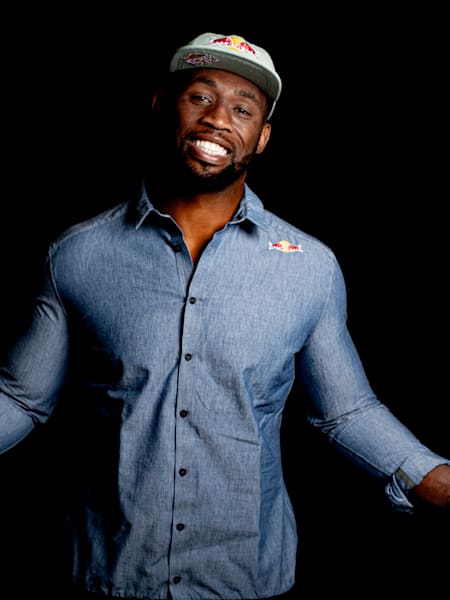
When South Africa clinched the 2019 Rugby World Cup in Japan, it put an exclamation mark on captain Siya Kolisi's inspirational tale of hard work, leadership and unity.

The snapshot:
When Siya Kolisi led South Africa against England in the final of the 2019 Rugby World Cup in Yokohama, Japan, they weren't expected to win. Their English opponents had demolished the tournament favourites, the All Blacks, in their semi-final and seemed to have all the momentum.
However, that momentum dissipated over the course of the next 80 minutes as the English attack hit the immovable object of Kolisi and his tightly-marshalled team-mates.
The Springboks ran out convincing winners by a score of 32-12 and Kolisi became the first black test captain to lift the World Cup for South Africa.
The big picture:
As inspiring as the performance was, there's a wider picture to consider that really makes it stand out. In a country with a history as complex as South Africa's, the symbolism of a multiracial, multicultural team working together to reach the pinnacle of their sport, achieving success through teamwork that made them greater than the sum of their parts was never going to be missed.
The fact that they had a captain as statesmanlike as Kolisi only amplified the sense that the victory had been a real force for good in South African society.
“In the townships and the suburbs, you now see people running and playing together, and young black kids with a picture of [white lock forward] Eben [Etzebeth] saying, ‘I want to be like you one day’, and that’s exactly what we are playing for,” he observed. "We achieved it a little bit and now we need to maintain it. Winning the World Cup is not just for us to gain personally, but to help people in the community.”


The long road to Yokohama:
An accusation is occasionally levelled at modern elite athletes that they live in a cocoon, isolated from the realities of life by their wealth and micromanaged by clubs keen to protect their key assets. This couldn't be further from the truth with Kolisi.
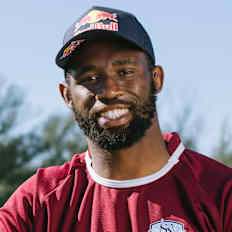
He grew up in Zwide township in Port Elizabeth and was raised by his grandmother after his mother passed away. The family struggled to raise his school fees and young Kolisi would often go hungry. It wasn't until he won a rugby bursary at a prestigious local high school that his prospects brightened.
“I think I wouldn’t have made it if I didn’t go through those struggles," he says, "but that still doesn’t make it right for kids to have to go through the past that I went through."
The message:
Kolisi has always used his platform to try to improve the lot of others, but that platform became a whole lot bigger after the World Cup.
“My motivation, waking every single day, when I put on the jersey, I represent every single person who struggled," he comments, "but I don’t just represent them, I want to work for them and create better opportunities."
The legacy:
Kolisi is an inspiration on the rugby field - and he's building them as well. In early 2020 the Kolisi Foundation broke ground on a new pitch in Mbekweni township in Paarl.
That's only the first part of the plan, though. “We're trying to build over 100 sports fields in the community and are putting laptops and iPads in schools so the kids have better learning opportunities," he explains. "I'm working mostly with schools as I believe the children need a proper opportunity.”


