
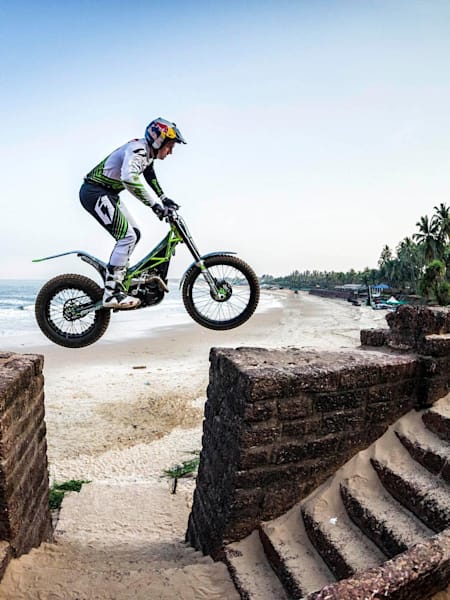
Trials
Ever wondered what a trial bike is?
Discover what a trial bike is, its unique features, and how Dougie Lampkin uses it to conquer challenging terrains.
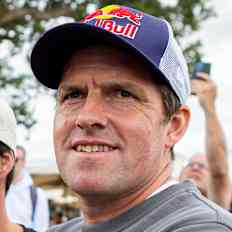

Of all the motorcycling disciplines, the bikes ridden by drag racers and trial riders definitely have the most distinct looks – not a surprise given the highly specialized nature of both sports.
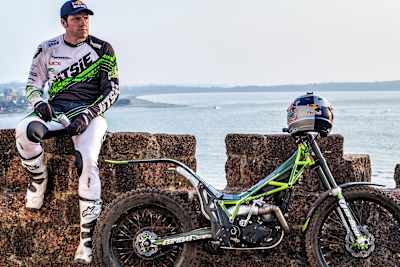
Dougie Lampkin and his unique Vertigo bike in Goa
© Neville Sukhia/Red Bull Content Pool
Ever wondered why the tiny, spindly looking trial bike looks the way it does though? Here we take a look at what's what on the bike of the most famous name in Trials, Dougie Lampkin. This 12-time world champion made a name for himself riding an entire course on just the rear wheel of his trial bike in 2016, which was no easy feat.

"I was just hanging on really. It wasn't over until a couple of metres from the end, but that last couple of meters were just amazing,” Lampkin shared about the experience.
Watch this champion in Dougie Does Goa in the video below and then find out more about his unique ride.

3 min
Dougie Does Goa
Watch Dougie Lampkin shows off his trial riding skills in Goa, India.
01
What is a trial bike?
A trial bike is a type of motorcycle that’s built to handle tough terrain and obstacles common in trials riding. They have a low center of gravity, thick tires, and small, single-cylinder engines, all of which contribute to the bike’s lightweight design. They’re also sometimes called Trials bikes.
02
Choosing the right size for a trial bike
Trial bikes need to be lightweight and easy to steer to make their way across rough areas. That makes them smaller and much more compact than a traditional motorcycle that wouldn’t be able to handle difficult terrain. As a result, most of the trial bikes you’ll find are going to be much smaller and lighter.
There are two styles of trial bikes: competition and street. Competition bikes have no seat, while street bikes do. The type of trial bike you ride is based on your height. It’s important that you’re comfortable on the bike, and you may want to size up or down depending on what feels best. It’s OK to take a few out for a spin to get a sense of your options. Make sure you don’t ride a bike that’s so large or small that it compromises your ability to control it safely.
These are some of the factors you should take into account when looking for your own trial bike to ride:
- Wheel size: Tires are available in 18” to 26” sizes. The shorter you are, the smaller the wheels.
- Wheelbase: Shorter wheelbases are great for getting around tight spaces and bunny hops, while longer wheelbases are better for stability. The choice is yours.
- Weight: Most trial bikes weigh around 150 pounds (70 kg). The less your bike weighs, the easier it is to take through tight spaces successfully.
- Frame size: The frame size impacts control and performance in trial bike riding.
- Steering: Competition bikes have longer stems, while street bikes often have shorter ones.
So why is a trial bike so small?
Two reasons. Firstly, Trial is not a sport based on speed and power. The bikes use relatively small single-cylinder engines (typically 250cc or 300cc at pro level), tuned to maximize torque and traction rather outright horsepower, so designers don't have to try to shoehorn a massive engine into the frame.
Secondly, the sport is all about balance, poise, and the ability to make a motorcycle defy gravity, so bikes need to be built to be as light and maneuverable as possible. A lightweight, small bike is thus much more suited to being ridden over obstacles than something based on motocross or enduro off-road machines.
But where's the fuel tank?
It's there, but because trials is a relatively slow speed sport and generally doesn't cover long distances in the course of an event, Lampkin's bike needs only a tiny 2.7 litre fuel tank. It's incorporated into 'U' of the frame so as keep the bike's centre of gravity as low as possible and maximize space for the rider. A normal 18 litre sportsbike tank wouldn't exactly do much for the weight and ability to balance easily.
Where's the seat as well? How does Dougie sit down?
The short answer: you don't really sit down on a trial bike. Riding a trial bike standing offers better speed and agility controls. Standing riders can better absorb impacts as they rocket through obstacles. In fact, adding a seat may even get in a rider’s way. That’s because trial bikes are built for one thing, and one thing only – riding up, down and over incredibly difficult terrain that pushes bike and rider to the limits of physics and athletic ability. Sitting down doesn't aid any of that.
A seat will only add unnecessary weight and, more importantly, while riding over obstacles, riders need all the space possible to contort into gymnastic shapes to urge their bikes to make it, especially when climbing up a huge rock step or such like.
Then, riders need to use their legs to cushion the sudden impacts, and a few feet of space between your backside and the bike is vital, the reason for unusual U-shaped frame design compared to a normal motocross or enduro bike.