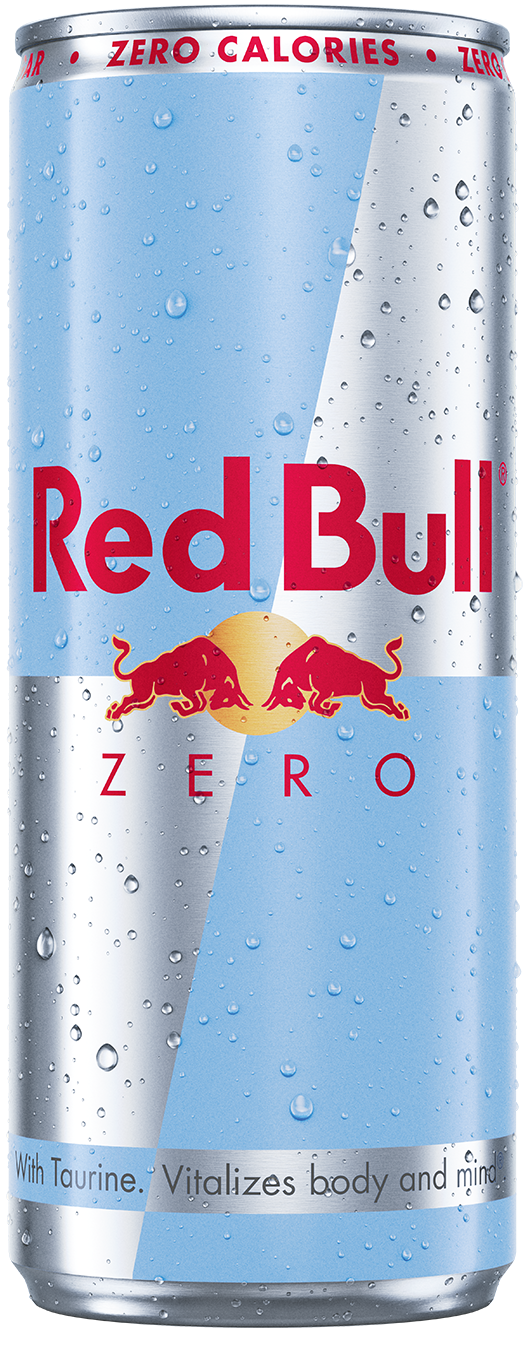
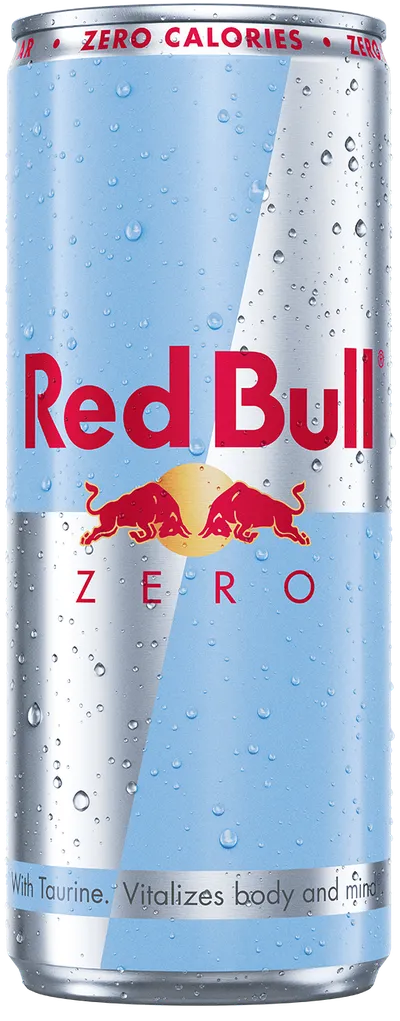
One of caffeine’s primary actions in the human body is its stimulating effect on cognitive functions.Each 250 ml can of Red Bull Zero contains 80 mg of caffeine. Caffeine helps to improve concentration and increase alertness.
Did you know?
The 80 mg of caffeine contained in one 250 ml can of Red Bull Zero is about the same amount as in a cup of coffee.
Red Bull Zero
80 mg
per 250 ml
Instant Coffee
79 mg
per 250 ml
Black Tea
~57 mg
per 250 ml
Cola
~28 mg
per 250 ml
Filter Coffee
~113 mg
per 250 ml
Instant Coffee
79 mg
per 250 ml
PreviousNext
VS
Source: IFIC (2008 & 2015), EFSA (2015)
Taurine
Taurine is an amino acid, naturally occurring in the human body and present in the daily diet.It is involved in a wide range of biological processes including osmoregulation, which is the regulation of the body’s cellular water and electrolytic balance.Taurine is one of the most abundant amino acids in the brain, heart and muscles.
Did you know?
The human body (70 kg) naturally contains 70 times more taurine than one 250 ml can of Red Bull.
Red Bull Zero
Human Body of 70 kg
70 times more
than one 250 ml can
VS
Source: USDA National Nutrient Database for Standard References
B-group vitamins
Vitamins are essential micronutrients that are required for maintaining normal body functions.There are two types of vitamins: fat-soluble and water-soluble. Red Bull Zero contains water-soluble vitamins. Water-soluble vitamins do not get stored as much as fat-soluble vitamins in the body. Instead, they circulate in the blood, and whatever the body does not use is excreted. Red Bull contains the water-soluble B-group vitamins niacin (vitamin B3), pantothenic acid (vitamin B5), vitamin B6 and vitamin B12. These B-group vitamins (niacin, pantothenic acid, B6, B12) contribute to normal energy-yielding metabolism, such as the build-up and break-down of carbohydrates and proteins, and contribute to the reduction of tiredness and fatigue. Additionally, pantothenic acid (vitamin B5) contributes to normal mental performance. Moreover, B-group vitamins play a central role in the brain. Niacin, vitamin B6 and vitamin B12 contribute to the normal functioning of the nervous system.
Sucralose, sodium cyclamate, sodium saccharin
Sucralose: sucralose is a non-caloric sweetener that is made from sugar and tastes like sugar. Sucralose is produced synthetically. Sucralose is used in a wide variety of products, including beverages, baked goods, desserts, dairy products, canned fruits and syrups. Sodium cyclamate: Sodium cyclamate is a non-caloric sweetener, which is about 30-50 times sweeter than sucrose. Sodium cyclamate is found in a variety of foods and beverages, such as calorie-reduced soft drinks, confectionery, cakes, canned fruits and desserts. Sodium saccharin: Discovered in 1879, sodium saccharin is the oldest and also one of the most widely used high intensity sweeteners worldwide. With no caloric energy value at typical use levels, sodium saccharin is used in thousands of products, such as carbonated drinks, spreads, fruit preparations, confectionery, desserts and snacks. Sodium cyclamate, sodium saccharin and sucralose are among the most-tested and most-used sugar substitutes worldwide. Numerous scientific studies demonstrate that these substances are safe for use as sweetening ingredients. The safety of these sweeteners has been evaluated by regulatory bodies all over the world. Authorities rely on the safety evaluations of independent scientific advisory bodies such as the European Food Safety Authority (EFSA) and the Joint FAO/WHO Expert Committee on Food Additives (JECFA).
Water
Water is a main ingredient of Red Bull. Dedication to its quality contributes to the iconic taste in every sip.
Nutrition Facts
Nutrition Declaration
per 100 ml
Energy
10 kJ (2kcal)
Fat
0 g
of which Saturates
0 g
Carbohydrates
2 g
of which Sugars
0 g
Protein
0 g
Salt
0.02 g
Vitamins:
Niacin
8mg / 50% NRV
Pantothenic Acid
2mg / 33% NRV
Vitamin B6
2mg / 143% NRV
Vitamin B12
2µg / 80% NRV
NRV = Nutrient Reference Value
The Original Red BullRed Bull Energy Drinks
Discover the full range of Red Bull Energy Drinks.
See productSelect your flavour
Red Bull ZeroRed Bull Energy Drinks
Discover the full range of Red Bull Energy Drinks.
See productSelect your flavour
Red Bull SugarfreeRed Bull Energy Drinks
Discover the full range of Red Bull Energy Drinks.
See productSelect your flavour
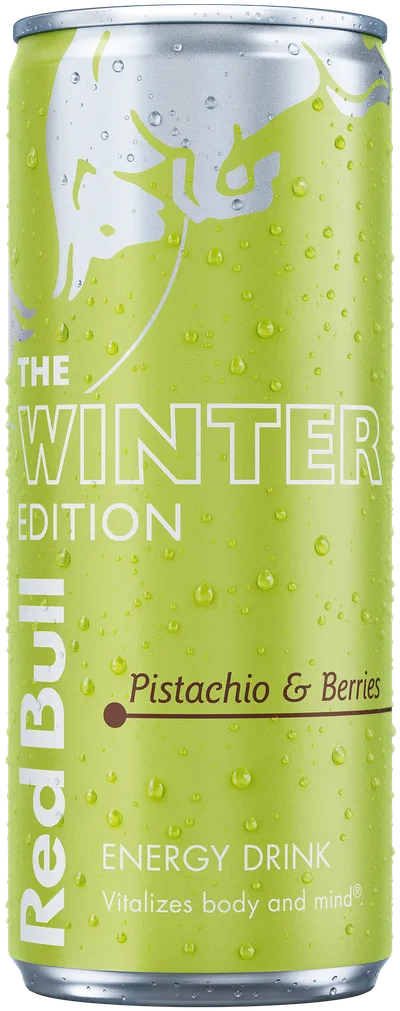
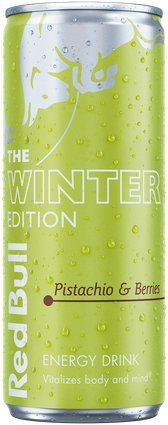
The Winter EditionRed Bull Energy Drinks
Discover the full range of Red Bull Energy Drinks.
See productSelect your flavour
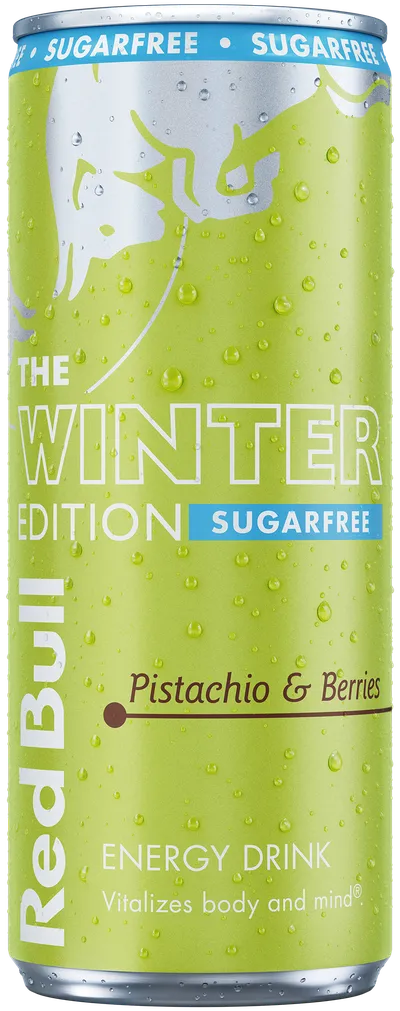
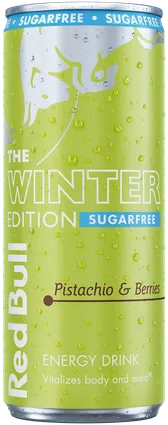
The Winter Edition SugarfreeRed Bull Energy Drinks
Discover the full range of Red Bull Energy Drinks.
See productSelect your flavour
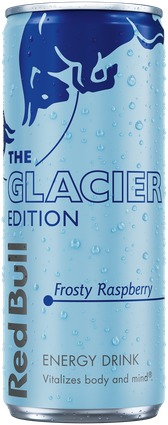
The Glacier EditionRed Bull Energy Drinks
Discover the full range of Red Bull Energy Drinks.
See productSelect your flavour
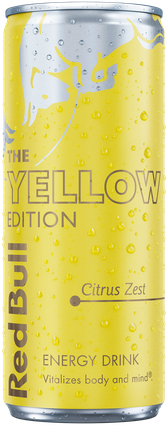
The Yellow EditionRed Bull Energy Drinks
Discover the full range of Red Bull Energy Drinks.
See productSelect your flavour
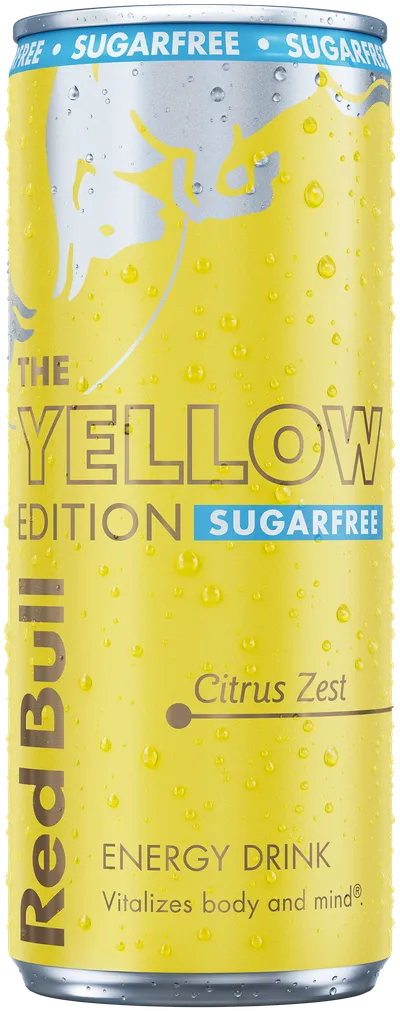
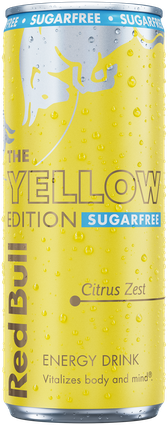
The Yellow Edition SugarfreeRed Bull Energy Drinks
Discover the full range of Red Bull Energy Drinks.
See productSelect your flavour
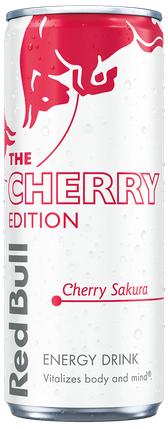
The Cherry EditionRed Bull Energy Drinks
Discover the full range of Red Bull Energy Drinks.
See productSelect your flavour
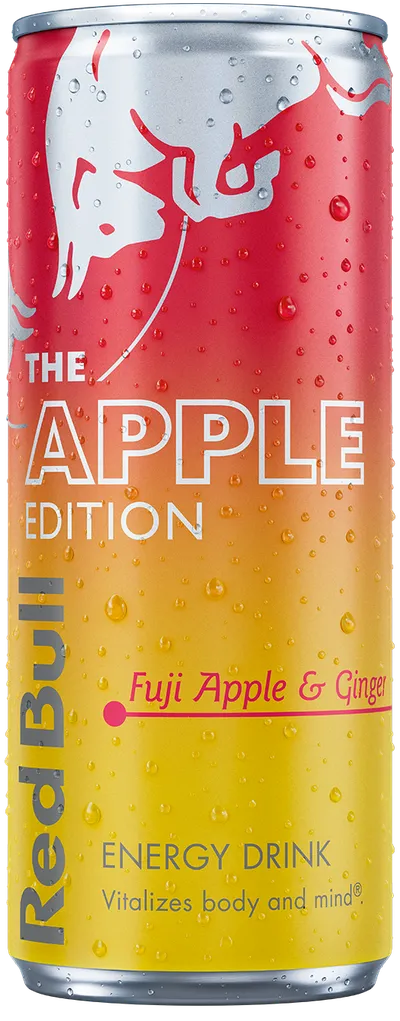
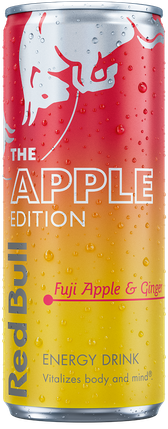
The Apple EditionRed Bull Energy Drinks
Discover the full range of Red Bull Energy Drinks.
See productSelect your flavour
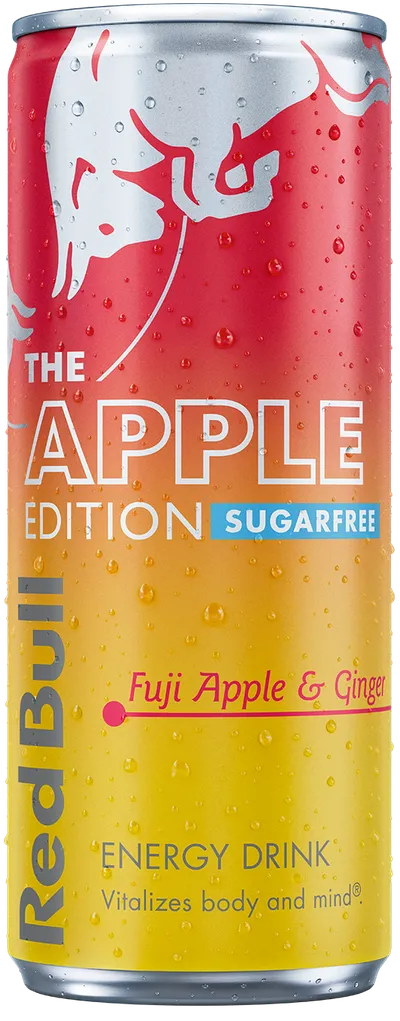
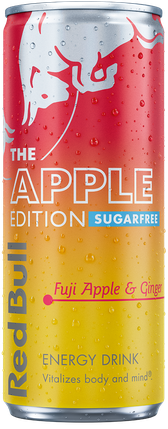
The Apple Edition SugarfreeRed Bull Energy Drinks
Discover the full range of Red Bull Energy Drinks.
See productSelect your flavour
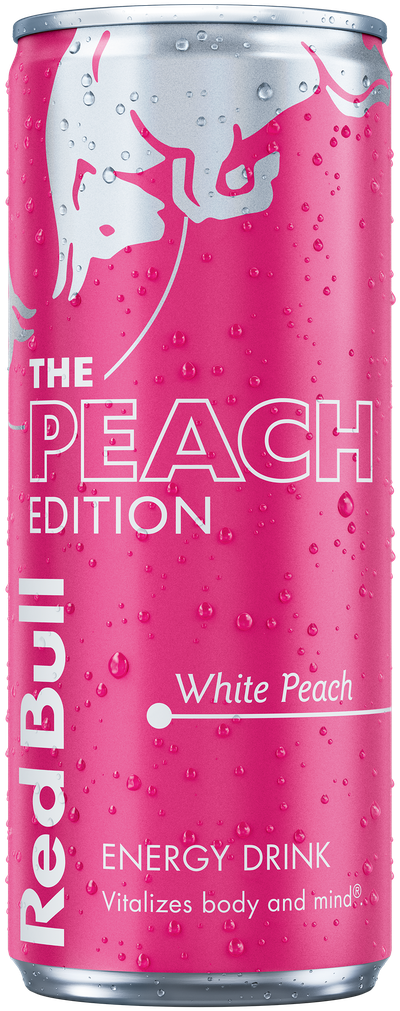
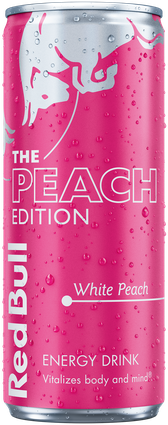
The Peach EditionRed Bull Energy Drinks
Discover the full range of Red Bull Energy Drinks.
See productSelect your flavour
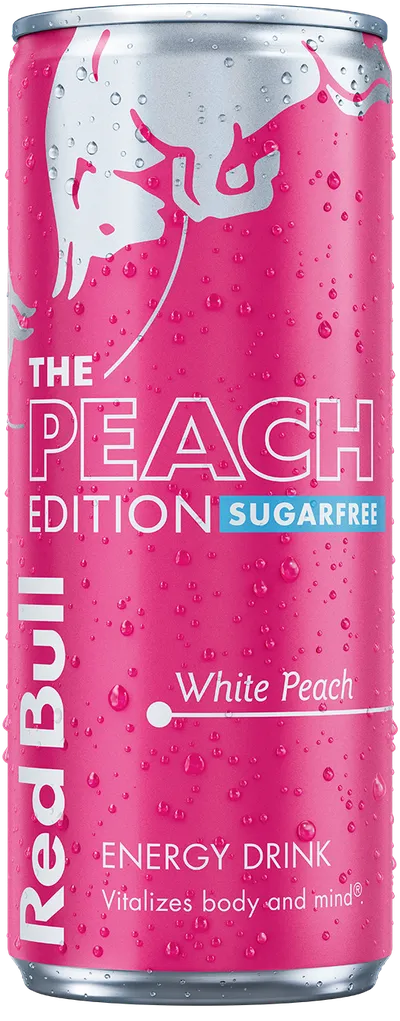
The Peach Edition SugarfreeRed Bull Energy Drinks
Discover the full range of Red Bull Energy Drinks.
See productSelect your flavour
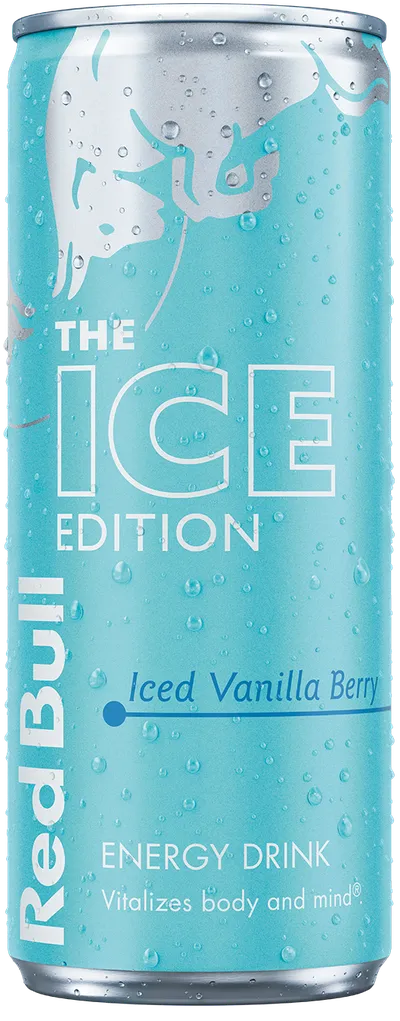
The Ice EditionRed Bull Energy Drinks
Discover the full range of Red Bull Energy Drinks.
See productSelect your flavour
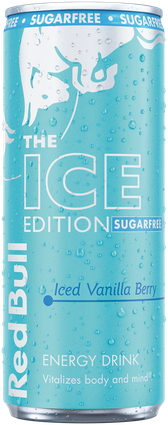
The Ice Edition SugarfreeRed Bull Energy Drinks
Discover the full range of Red Bull Energy Drinks.
See productSelect your flavour
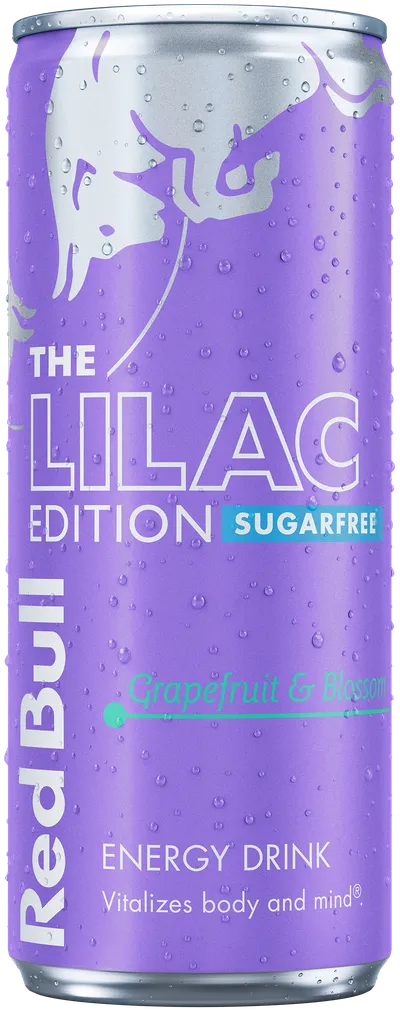
The Lilac Edition SugarfreeRed Bull Energy Drinks
Discover the full range of Red Bull Energy Drinks.
See productSelect your flavour
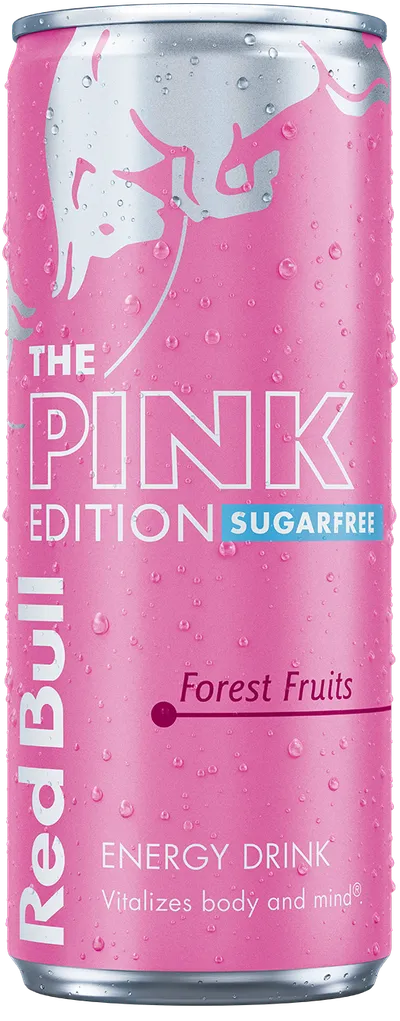
The Pink Edition SugarfreeRed Bull Energy Drinks
Discover the full range of Red Bull Energy Drinks.
See productSelect your flavour
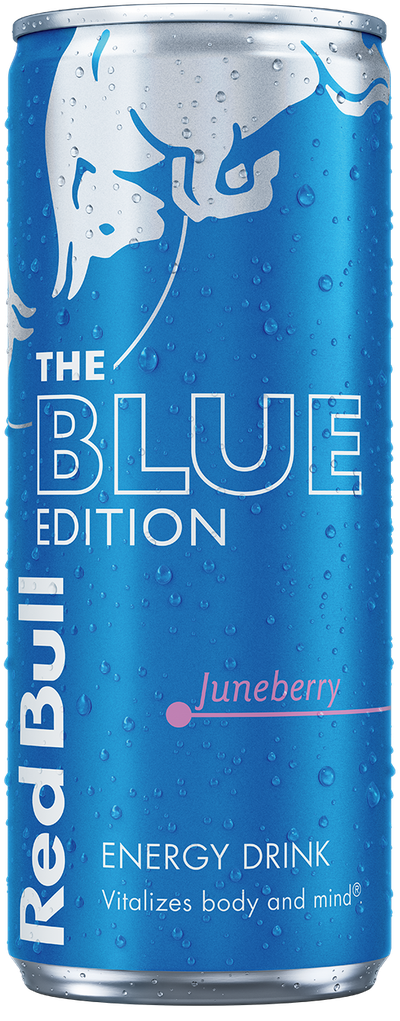
The Blue EditionRed Bull Energy Drinks
Discover the full range of Red Bull Energy Drinks.
See productSelect your flavour
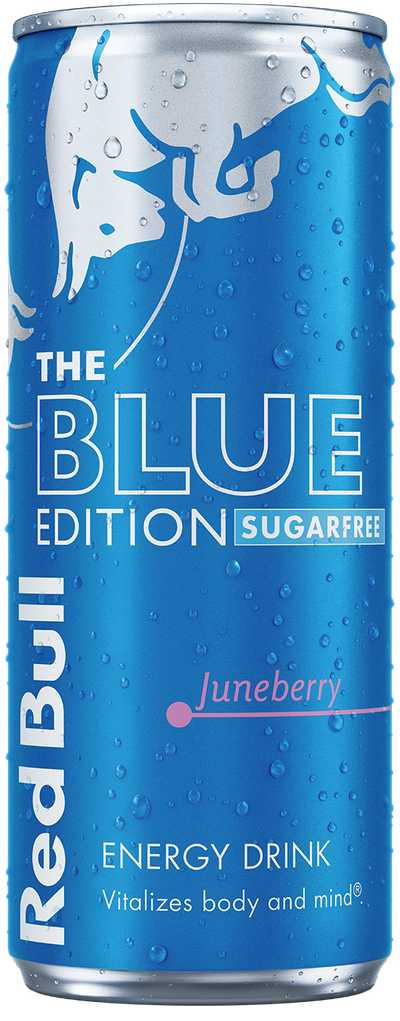
The Blue Edition SugarfreeRed Bull Energy Drinks
Discover the full range of Red Bull Energy Drinks.
See productSelect your flavour
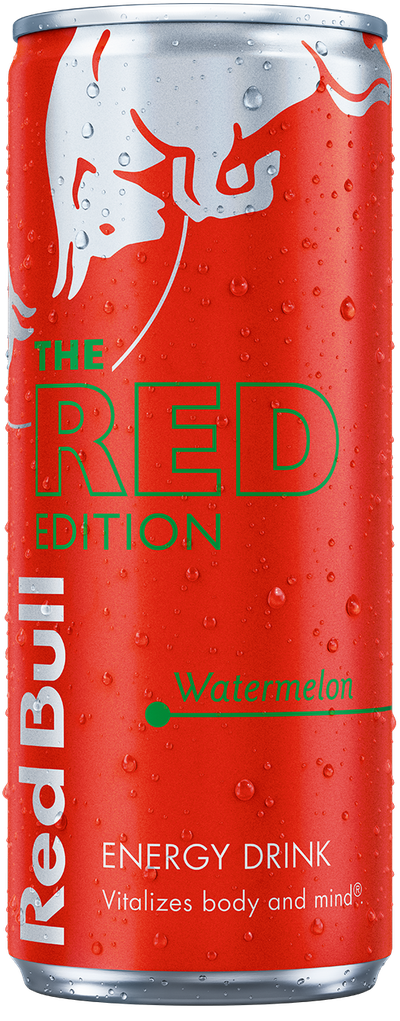
The Red EditionRed Bull Energy Drinks
Discover the full range of Red Bull Energy Drinks.
See productSelect your flavour
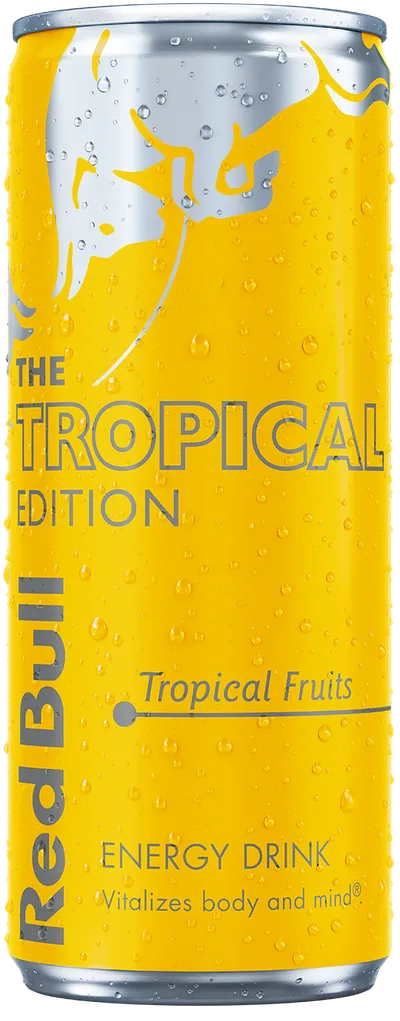
The Tropical EditionRed Bull Energy Drinks
Discover the full range of Red Bull Energy Drinks.
See productSelect your flavour
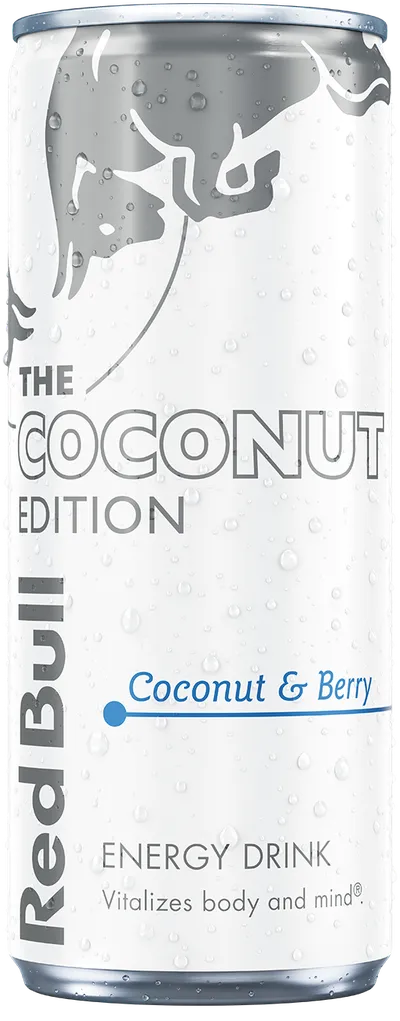
The Coconut EditionRed Bull Energy Drinks
Discover the full range of Red Bull Energy Drinks.
See productSelect your flavour
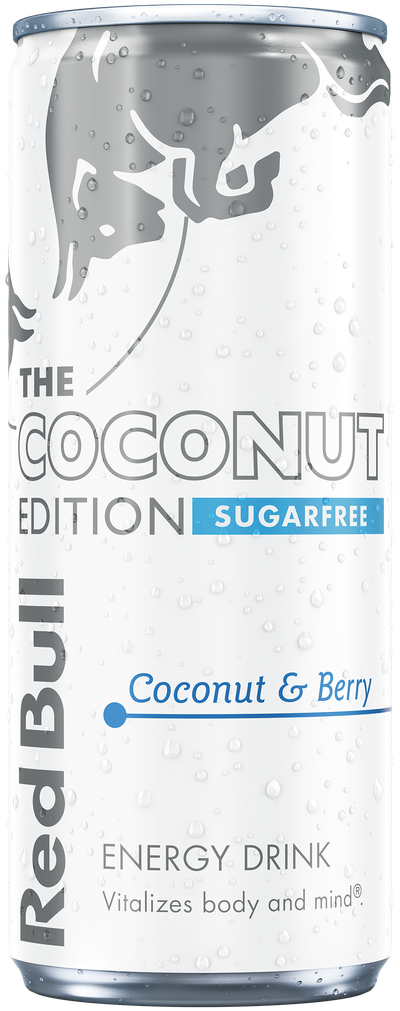
The Coconut Edition SugarfreeRed Bull Energy Drinks
Discover the full range of Red Bull Energy Drinks.
See productSelect your flavour
The Green EditionRed Bull Energy Drinks
Discover the full range of Red Bull Energy Drinks.
See productSelect your flavour
The Green Edition SugarfreeRed Bull Energy Drinks
Discover the full range of Red Bull Energy Drinks.
See productSelect your flavour
The Apricot EditionRed Bull Energy Drinks
Discover the full range of Red Bull Energy Drinks.
See productSelect your flavour
The Ruby EditionRed Bull Energy Drinks
Discover the full range of Red Bull Energy Drinks.
See productSelect your flavour
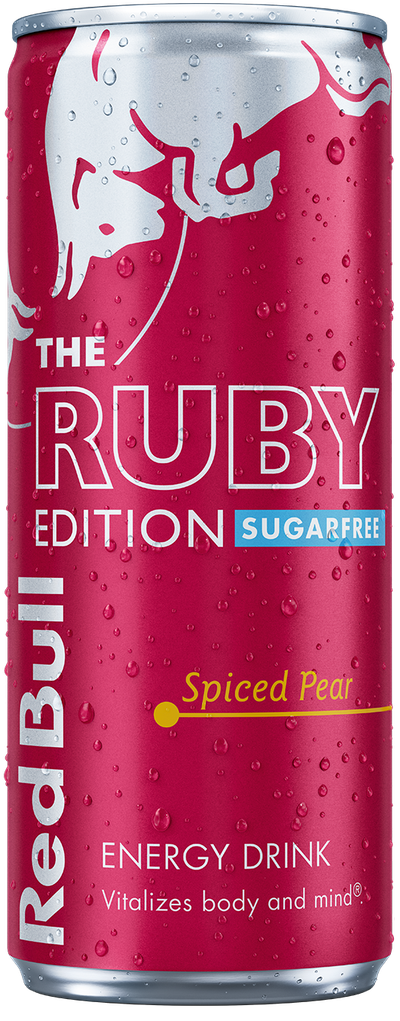
The Ruby Edition SugarfreeRed Bull Energy Drinks
Discover the full range of Red Bull Energy Drinks.