

Music
What's next for grime in 2020?
No longer a scrappy urban upstart, can the grime scene capitalise on its newfound global reach?
So far in 2020, Stormzy has caused controversy with his beat selection.
His first track, Disappointed, eschewed grime and instead used the instrumental from UK drill artist Headie One’s Know Better. The second dub, Still Disappointed, saw Big Mikey spray over the beat from Kano’s classic Mic Check 1-2.


Still Disappointed peaked at number 21 in the charts and marked Stormzy’s fourth time charting with a track that used an old beat -- sparking a conversation about the power of nostalgia in grime.
The future of grime is a recurring topic of discussion among the scene.
Long-term fans will have experienced grime’s supposed ‘death’ five or six times by now. It’s been earnestly discussed by journalists, as well as parodied by Logan Sama and his range of ‘Grime is Dead’ t-shirts.
Rising artists including Kish, Squintz, and M.I.C have discussed the creation of a new genre called ‘Grime 2’, in what seems a fairly light-hearted wind-up of older members of the scene. But suggestions like these also indicate a splintering scene, with different groups shaping their own versions of the genre -- according to their own rules.
It’s a genre that’s always been unpredictable at best -- and volatile at worst -- but now counts a number of legitimate stars and hits to its name. How does grime build and mature from here? Once fiercely London-centric, how does grime manage its growing international appeal?
What, in short, is the future of grime? We put the question to the artists, DJs, and industry movers shaping the scene.
M.I.C: Grime will become more representative of modern urban UK
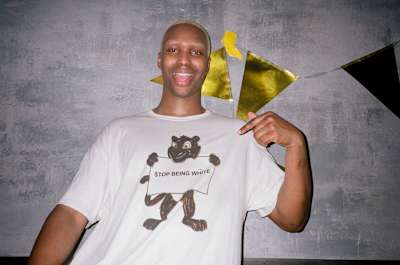
M.I.C aka The Master of Inane Conversation
© Vicky Grout
I care about grime so much. More than people realise.
I think if I look at the microcosm of myself, people around me, and what we’re doing, then I’m really quite excited. There’s a small group of people who are making great music, diversifying the sound, taking it to different territories, presenting themselves differently -- that makes me excited. If I look at the whole wider sphere, I’m not as optimistic; but as long as that microcosm exists then I’m not worried.
What’s getting attention in grime at the minute is changing, and it will eventually become more open for people who aren’t just straight men. Even if you look at Jme, he’s a great example of someone who has grown in terms of his beliefs and his politics. He’s retired certain lyrics and he’s grown. It’s really inspiring to see.
I think it’s essential for people to be so much more ambitious: to have ideas and not be afraid of the avant-garde.
My ideal for the future of grime would be a genre that takes accountability for bad behaviour, but also that diversifies influences and is open to new things.
I think it’s essential for people to be so much more ambitious: to have ideas and not be afraid of the avant-garde. Be more fearless with your shows, your dressing, your music. I want people in grime to aim as high as possible.
DJ Oblig: Grime’s future will have no borders

DJ Oblig
© Jun Yokoyama
Grime can be whatever we want it to be; the only thing holding it back is its mind-set. Once we remove the borders, we can evolve.
I’ve always really invested in the spread of grime abroad. It began when I was in New York and I was starting a scene out there. I had the only grime party there, and I had a grime show [on radio] out there too. I was the first person to book AJ Tracey in the States. Since then, I’ve always had an interest in this kind of thing.

The Brazil movement is one of the most interesting things I’ve seen in grime in my whole life.
Often these international scenes are missing something. They love it, they want to make grime, but they’ve not [been able to build an] authentic scene. In Brazil they’ve got a bunch of DJs, a shitload of MCs... it’s a real scene.
I’m going out to Brazil and they’re letting me stay for a week. They’ve got me three shows and two radio sets. I get a message from a different person there every day. I’ve had to download a Portuguese translator just to respond.
They’re doing it so correctly. When you see the videos of their shows, it’s just like here.
A.G: Grime will grow when it learns to respect itself and embrace new talent

A.G the DJ
© Tabby Loso
There needs to be a bit more pride in the genre. If you respect it, then people respect it back.
When you’re doing shit by yourself and it’s very DIY then it’s hard -- and the quality isn’t going to be there as it might be in other genres. I’m very protective of grime in that regard. But I feel like you should instil a bit of pride in your work: make sure you’ve cleared the beat, make sure you’re signed up to PRS, and make sure you get a good mixdown.
Grime’s energy can’t be replicated
I would like to see more mentoring in grime: people who reach out to bridge the gap between the younger and older generations. This would help both ways, it helps the older generation stay in touch, it helps the younger generation learn how to make a living from their work.
I’ve always seen grime as an integral part of London music and UK music in general. It’s a sound that is so unique, but it’s not just the sound: grime’s energy can’t be replicated. It will always have a future, because it was made from nothing and now we have grime clashes on the news and shit. That’s iconic. The future looks bright always to me.
FFSYTHO?!: The internet will bring an international scene closer together

FFSYTHO?!
© Press
For me it all started with freestyles on my windowsill. There was a challenge going round with the #UKGrimeCypher hashtag. I messaged Terror Danjah for a beat and within 24 hours he’d invited me to Red Bull Studios. We turned the freestyle into a three-minute song and then it got sent straight to DJ Target.
I always say the power of the internet is a crazy place right now. It’s boosted grime and now everyone can access it, it’s on a global scale -- rather than being limited to people who go to sets and raves in London.
I’m seeing a lot of people collaborating overseas, and I can’t wait for new international sounds to come into grime as well -- like carnival sounds from the Brazilian scene.
People like Stormzy having mainstream success definitely gives us guys a look-in too. The charts are opening up, and streaming sites with grime playlists and so on. We’re seeing grime at the awards shows. I think it’s coming, and I think it’s only going to get bigger.

P Money: Grime needs consistency and structure to achieve its full potential

P Money
© Press
We need consistency and structure.
In 2016-2017 people liked grime and we invested. Albums from Jme, Kano, Skepta, P Money, Stormzy and loads more -- but then nothing for three years. No big videos, no big campaigns, no big collaborations. No big tours with multiple hitters. Why? I dunno. But countless times we’ve proven once we start releasing grime with the same investment as you would a pop song, it goes off.
Why haven’t we got our own grime labels actively releasing beats and songs, or studios built? Or grime tour companies, publishing companies, merchandise shops, music shops? A group of us should have bought a venue by now for god’s sake.
Countless times we’ve proven once we start releasing grime with the same investment as you would a pop song, it goes off.
I’ve started doing events in Prague with Smack. Every few months we’ll be bringing grime acts over to perform to 1000 people. There’s grime in China, Japan, Australia, USA, Europe etc. but not enough people going there and working with people. They’re years behind us scene-wise, so it’s at the stage where the fans of it who live normal lives and don’t have a ton of money are putting on events. We must come together, lower our fees and help it grow to how it is here.
Peter Todd, No Hats No Hoods label head: Catalogues of music are the most important thing missing from grime
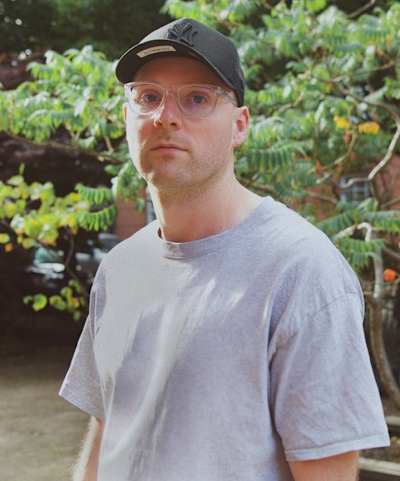
Peter Todd fka DJ Magic, No Hats No Hoods
© Press
I’m quite hopeful for the future of grime. I think the stage we’re in now is that artists aren’t just doing one big song and then getting a huge amount of bookings and attention. They’re having to work for their audience.
While that makes it difficult for artists on the come-up, it means that those who stick with it will come out of it with a strong body of work rather than just one or two songs. Back catalogues, people releasing more music: that’s ultimately what gives people careers.
I don’t think there are enough good managers and labels that can develop musicians and put them onto different things. I think the 2014 generation were slightly misled by their elders saying that ‘you don’t need anything or anyone with you.’ The message was that you can do it all yourself and you don’t need a team, which I don’t think is the truth. It means they had a few songs that got big but then they had a lot of exposure and coverage when they weren’t ready for it, so they just released whatever they wanted instead of having people who could take time and help them with it.
People like M.I.C are doing something that’s fun and original. He’s really exciting because he looks different, sounds different, he’s a character -- and I find all of that so important. We need to nourish and look after people like him. He’s awesome and it’s people like him that really make me excited to hear their projects.
Shakira Walters, founder of Girls Of Grime: A strong scene is a self-sufficient scene

Shakira Walters, Girls of Grime
© Girls Of Grime
We need to carry on with grime’s DIY attitude and people working in their communities.
When labels start getting involved, people get worried that they’ll take over. I get it, but I feel like we’ve got a responsibility to make sure that the sound doesn’t get watered down. We need action on bringing people through and showing people how it’s done.
When I started Girls of Grime a few years ago it was because I had grown up around grime, but when I went to a rave it was about 98% guys -- whereas it used to be a 50/50 split.
I started a blog to push female talent in grime and give them a platform. At the moment I want to highlight women who are in the scene, not just the artists. It’s about creating a space where young people can see women working in grime.
I want to see young people working in grime and have a career path set out for them within the genre. There should be money in grime. It should be able to become self-sufficient, with all of the media agencies and booking agents and so on made up of people from the scene and the culture.
Rapture 4D: Grime will take influence from adjacent genres

Rapture 4D and Plastician
© Rianna Tamara
Producers who like grime but are also fans of other music will make the sound grow.
Grime is such a unique sound, you couldn’t get it anywhere else in the world -- but people are starting to pick up on it now in places as far away as Brazil and Australia. It’s becoming a more global sound, rather than a UK-centric one, and there are sounds from all over the world being infused with grime elements.
Change starts in the underground
On a daily I’m listening to stuff that’s pushing grime forwards. I rate Korma, Audiogutter, and Polonis has got his style down to a T. The Slimzos gang too, they make bangers! The Boxed label is another side of futuristic grime that’s really cool and interesting with a completely different sound.
Change starts in the underground, then people who have a bigger audience pick up these new sounds and experimental approaches and expose their audience to it. It starts to grow like a branch from a tree -- and it’ll keep growing in different directions.
Follow Red Bull Music UK on Facebook, Instagram, and on Twitter @RedBullMusicUK