
Cycling
7 bits of road-cycling advice you shouldn’t listen to
These are seven things you'll hear cyclists say – but it's all crap. We bust through some cycling myths to get to the truth.
There’s lots of road-cycling advice out there, some of it's good, some of it… not so good. Here’s some advice you may well hear, but definitely don’t want to listen to.
1. You should pump your tyres up as hard as possible
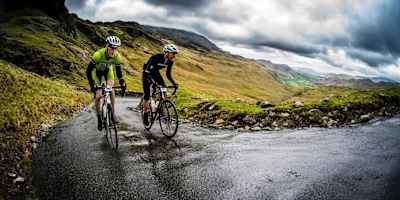
Go at your own pace and not anyone else's
© Steve Fleming
Back in the day, setting your tyres up was simple; you wanted the narrowest tyre you could find and then pump it up as hard as possible. The conventional wisdom being that this would decrease rolling resistance.

However, unless the surface is incredibly smooth, a velodrome for example, you’re far better running wider tyres at a lower pressure – something like a 25 or 28c at 95psi is a great place to start.
Wider tyres help soak up some of the imperfections in a road’s surface, thus lowering the rolling resistance. They’re also way more comfortable and more resistant to pinch punctures due to the larger air volume.

2. You need to seriously carb load the night before a big ride or race

Carbs tend to be 60% of a runner's diet
© Getty Images
Stuffing your face with half a kilo of pasta the night before a big ride or race is a sure-fire way to make sure you’re fuelled, whether or not that’s optimally fuelled is a different matter.
Huge amounts of carbohydrate can often make you feel extremely bloated the next day, as your body simply hasn’t had time to process the massive amounts of splodge you forced down it the night before.
Instead, opt for a larger, but not epically-proportioned balanced meal, and don’t forget to keep your fuel stores topped up when riding. You’ll feel lighter on your feet and hopefully won’t have any unexpected trips to the bushes during said ride.
3. You shouldn’t wear gloves in the winter
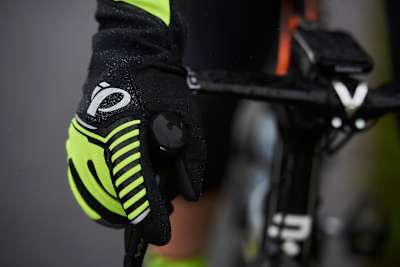
Hands and feet can be first to go numb
© Pearl Izumi
Cycling is steeped in old-school hard-man mythology and one of the all-time classics is riding without gloves in the winter in order to build up your resistance to the cold.
Well, obviously this is total nonsense. If you do want to look like a hard Belgian cyclist, then be our guest, but we like to feel our hands when riding, so will be sticking with nice warm gloves over winter.
4. You need to slam that stem
Slamming your stem means placing it on the lowest position of your forks steerer tube, just like lots of pros. But guess what? We’re not pro and they’ve spent countless hours working on their core and flexibility to facilitate the strength to hold such an extreme position.
An extreme aero/slammed position can also put a lot more pressure on certain body parts where you definitely don’t want a lot more pressure; nobody wants that, no matter how cool your bike looks. Instead go for something a little more upright and you’ll be a happier and healthier cyclist in the long run.

5. Always use big gears to build leg strength

Jesse Thomas cycles in Kauai
© Zak Noyle/Red Bull Content Pool
While there is some truth in using larger gears to help build leg strength, it’s a training method that’s best used sparingly.
Unless you’re a track sprinter, cycling is predominately an aerobic sport, so the leg strength needed is relatively small. What’s more, loads of big-gear training puts lots of unnecessary torque through your knees, which can lead to an injury.
So if you are planning to do some big-gear work on the bike, build up slowly and use it sparingly.

6. Spend your winters doing steady rides
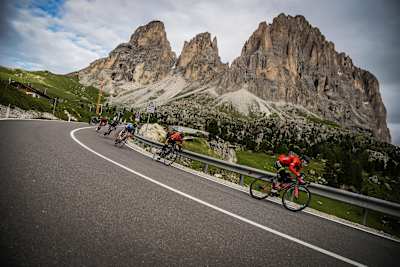
Winter doesn't mean steady rides
© sportograf
Another one from the ‘that’s the way they used to do things’ school of thought. Spending your winters just doing steady rides will make you fit, but come the race season, you’ll be lacking in pure speed.
In our more enlightened day and age, most riders also spend time doing some intensity over the winter. This could be short bursts on your weekend group ride, or an interval session on the turbo every week. As long as you don’t overdo it, this will keep your race speed topped up and you’ll be more prepared when the season starts in spring.

7. Longer cranks are better
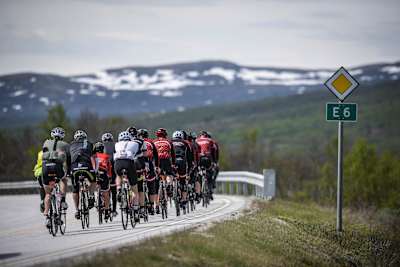
Unless you're particularly tall don't worry about longer cranks
© sportograf
It used to be thought that longer cranks were better, as a longer lever would allow you to put more power out. However, whilst longer cranks allow you to put more force through the pedals, your feet just end up having further to travel in the pedal stroke.
This means the actual effect on your power output is almost zero, you just put out the same power at a slightly lower cadence. So unless you’re particularly tall, don’t worry about longer cranks. Anywhere from 165mm to 175mm works well for most people.


