
Explore the latest football content
Football positions explained: Offense, defense and special teams
A complete guide to football positions and player roles in offense, defense, and special teams. Learn how each position shapes the game.
Part of this story


Football is a sport that has been around since the late 19th century, evolving significantly over time. Throughout the years, many rules and strategies have changed, shaping the way the game is played today. One of the most important aspects of football is the positions, each with a unique role and responsibility on the field. Understanding these positions is key to enjoying and appreciating the teamwork that makes the game so exciting.
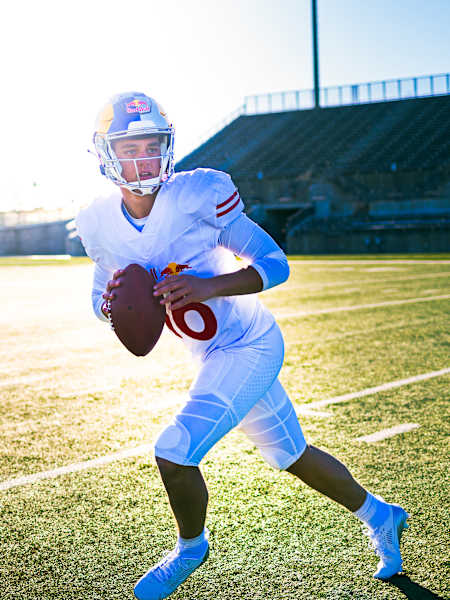
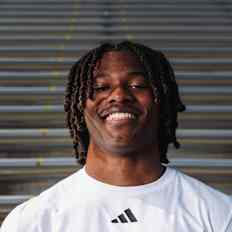
The positions in football are divided between offense, defense and special teams, with each group working together to move the football, stop the opponent, or change field position. Whether you’re a quarterback like Arch Manning or a wide receiver like Jeremiah Smith, every position plays an important role in the outcome of the game.


01
What are the main football positions?
People often ask, what are the 11 positions in football? Football positions are divided into offense, defense, and special teams. The core offensive positions include the quarterback (QB), running back (RB), fullback (FB), wide receiver (WR), tight end (TE), center (C), guard (G), and tackle (T). Defensive positions include defensive line (DT/DE/NT), linebackers (MLB/OLB), and defensive backs (CB, FS, SS). Special teams include the kicker, punter, long snapper, holder, and return specialists.
Position Group
Includes
Quarterbacks
QB
Running Backs
RB, FB
Receivers
WR, Slot Receiver, TE
Offensive Line
C, G, T
Defensive Line
DT, NT, DE
Linebackers
MLB, OLB
Defensive Backs
CB, FS, SS
Special Teams
K, P, LS, Holder, Gunner, Returner
02
Special teams
Special teams handle all kicking plays from the kickoffs, punts, field goals, and extra points to controlling field position and momentum.
Most people know there’s an offense and a defense, but one often overlooked part of the game is the special teams unit. Special teams take on the field during kicking plays, so think punts, kickoffs, field goals and extra point attempts. They can have a major impact on a game’s momentum, such as a blocked punt and onside kicks.

Special team positions:
- Kicker: Kicks off the ball and attempts field goals and extra points.
- Punter: Kicks the ball to the other team on fourth down
- Long snapper: Snaps the ball accurately and quickly on punts and kicks
- Holder: Positions and holds the ball steady for the kicker
- Blocker: Protects the kicker or punter from incoming defenders
- Return specialist: Fields kickoffs or punts and tries to gain yards
- Gunner: Sprints down the field to tackle the returner on punts and kickoffs
Types of Special Teams Units
- Kickoff Team: This unit takes the field during kickoffs. Their main job is to kick the ball to the opposing team and then quickly move downfield to tackle the returner and limit their progress.
- Punt Team: When the offense fails to convert on third down, the punt team comes in to kick the ball away, aiming to pin the opposing team deep in their own territory.
- Return Team: This group is responsible for catching and returning kickoffs or punts. Their goal is to gain as many yards as possible and give their offense a good starting position.
- Field Goal Unit: This team enters the field during field goal or extra point attempts. It includes the kicker, holder, long snapper, and blockers who protect the kick.
These players are responsible for starting plays, scoring points, and controlling field position. While they may not be on the field as often as offensive or defensive players, their impact in key moments can change the game.
03
Offense
The offensive line positions is responsible for advancing the ball down the field to score points through runs or passes.
The offensive unit is tasked with moving the ball down the field to score touchdowns or field goals. An offensive formation includes 11 players, each with a specific role that contributes to the team’s ability to run or pass the ball. The offense is made up of key position groups: the quarterback, running backs, wide receivers, tight ends, and offensive linemen. Good communication, precise timing and execution are essential for a successful offensive play.
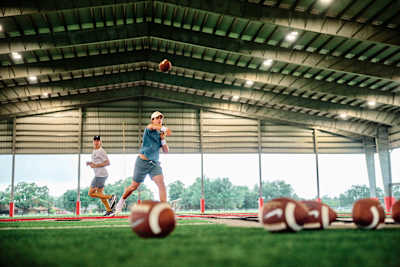
How Arch Manning’s training for the season ahead
© Justen Williams
Offensive positions:
- Quarterback (QB): Leads the offense, calls plays, throws passes or hands off the ball.
- Running Back (RB): Takes handoffs to run the ball and can also catch passes.
- Fullback (FB): A powerful back used mainly for blocking and short-yardage plays..
- Wide Receiver (WR): Runs routes to catch passes from the quarterback.
- Slot Receiver: A type of wide receiver who lines up between the wideout and the line. Specializes in short, quick routes and often catches passes over the middle.
- Tight End (TE): Combines blocking like a lineman with catching like a receiver. Versatile player used in both run and pass plays.
- Center (C): Snaps the ball to the quarterback and blocks defenders.
- Offensive Guard (LG/RG): Lines up on either side of the center. Blocks for both running and passing plays.
- Offensive Tackle (LT/RT): Lines up on the ends of the offensive line and protects the quarterback from edge rushers and blocks for runs.
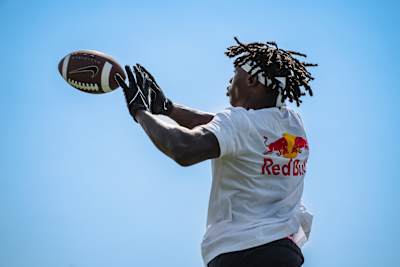
Jeremiah Smith
© Nick Brown
04
Defense
The defense positions in football work to stop the opposing offense from gaining yards or scoring, using a mix of pressure, coverage, and tackling.
The goal of the defense is to prevent the opposing team from gaining yards or scoring points. Defenses use a variety of formations and strategies depending on the situation, such as stopping the run, defending the pass or forcing turnovers. Just like the offense, the defensive formation includes 11 players as well. The players are divided into three main groups: the defensive line, linebackers and secondary (defensive backs), all working together to shut down the offense and get the football back.
Defensive line positions:
- Defensive Tackle (DT): Lines up in the middle of the line and stops inside runs and pressures the quarterback.
- Nose Tackle (NT): (used in 3-4 defenses): Plays directly over the center and occupies multiple blockers to free up linebackers.
- Defensive End (DE): Lines up on the edge of the line and rushes the quarterback and contains outside runs.
Linebackers positions:
- Middle Linebacker (MLB): Reads plays, stops runs, covers short passes; the "quarterback" of the defense.
- Outside Linebacker (OLB): Lines up outside the defensive ends and can blitz, cover receivers, or stop outside runs.
Defensive backs (secondary) positions:
- Cornerback (CB): Covers wide receivers and defends against passes.
- Free Safety (FS): Lines up deep in the secondary and helps stop long passes and acts as the last line of defense.
- Strong Safety (SS): Plays closer to the line than the free safety and helps stop the run and covers tight ends or running backs.
05
The importance of understanding football positions
Knowing the different football positions and player roles is essential for understanding how the game is played.
Jeremiah Smith
© Maggie Zerbe

Arch Manning doing warm up stretches
© Justen Williams
Understanding football positions isn’t just about knowing where players line up—it’s about recognizing how every role contributes to the bigger picture. Each position, from the quarterback to the gunner, plays a part in the flow and outcome of the game. These roles demand skill, discipline, and teamwork, and together they create the strategy and excitement fans love. Whether you're new to the sport or deepening your knowledge, learning these positions gives you a stronger grasp of how football really works—and a deeper appreciation for the game.
Part of this story